"This superbly researched and illustrated book traces the BONE’s long development and operational history in fascinating detail." – Scale Modeling Now
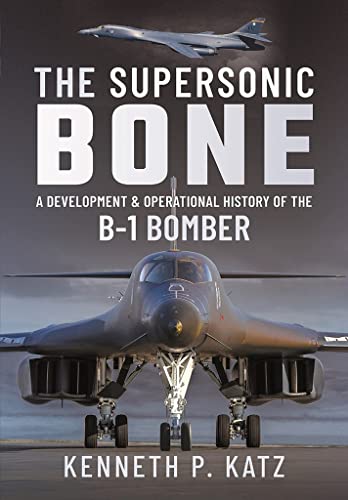
When the B-52 Stratofortress entered operational service with the US Air Force in 1955, work was already underway on defining its successor. The B-70 Valkyrie, a Mach 3 jet bomber, was one option. Although two XB-70A prototypes flew, the B-70 never went into production. Out of the subsequent Advanced Manned Strategic Aircraft program came the B-1A bomber, which flew at high speed and low altitude to evade enemy air defenses. The B-1A was canceled in favor of fitting the B-52 with cruise missiles. The B-1, known as the BONE, was revived in 1981 as the improved B-1B to boost American military power and be a symbol of American strength at the peak of Cold War tensions. The B-1B entered service in 1986 with several deficiencies. The resolution of most of these issues coincided with the end of the Cold War.
After the Cold War, the B-1B lost its primary nuclear mission but remained relevant by transforming into a high-speed, long-range, high-payload delivery platform for conventional precision-guided munitions. The first combat use of the B-1B was in 1998 in Iraq. The BONE has proved a highly effective combat aircraft in Afghanistan, Iraq, Libya, Syria and the former Yugoslavia.
This superbly researched and illustrated book traces the BONE’s long development and operational history in fascinating detail.
"synopsis" may belong to another edition of this title.
Educated in aerospace engineering at the Massachusetts Institute of Technology and the University of Michigan, KENNETH P. KATZ has over three decades of experience as an US Air Force officer, flight test engineer, and project manager. He is currently employed as a staff project engineer for a major aerospace contractor. Katz has a commercial pilot certificate with instrument rating, flight experience as an observer and crewmember in over 20 types of military aircraft and is a Senior Member of the Society of Flight Test Engineers. He is the author of three patents, several conference papers, and two previous books about the subject of modern military aircraft. Katz currently lives in Connecticut in the United States.
"About this title" may belong to another edition of this title.
Seller: Grand Eagle Retail, Bensenville, IL, U.S.A.
Hardcover. Condition: new. Hardcover. When the B-52 Stratofortress entered operational service with the US Air Force in 1955, work was already underway on defining its successor. The B-70 Valkyrie, a Mach 3 jet bomber, was one option. Although two XB-70A prototypes flew, the B-70 never went into production. Out of the subsequent Advanced Manned Strategic Aircraft program came the B-1A bomber, which flew at high speed and low altitude to evade enemy air defenses. The B-1A was cancelled in favor of fitting the B-52 with cruise missiles. The B-1, known as the BONE, was revived in 1981 as the improved B-1B to boost American military power and be a symbol of American strength at the peak of Cold War tensions. The B-1B entered service in 1986 with several deficiencies. The resolution of most of these issues coincided with the end of the Cold War. After the Cold War, the B-1B lost its primary nuclear mission but remained relevant by transforming into a high-speed, long-range, high-payload delivery platform for conventional precision-guided munitions. The first combat use of the B-1B was in 1998 in Iraq. The BONE has proved a highly effective combat aircraft in Afghanistan, Iraq, Libya, Syria and the former Yugoslavia. This superbly researched and illustrated book traces the BONE's long development and operational history in fascinating detail. AUTHOR: Educated in aerospace engineering at the Massachusetts Institute of Technology and the University of Michigan, KENNETH P. KATZ has over three decades of experience as an US Air Force officer, flight test engineer, and project manager. He is currently employed as a staff project engineer for a major aerospace contractor. Katz has a commercial pilot certificate with instrument rating, flight experience as an observer and crewmember in over 20 types of military aircraft and is a Senior Member of the Society of Flight Test Engineers. He is the author of three patents, several conference papers, and two previous books about the subject of modern military aircraft. Katz currently lives in Connecticut in the United States. 300 colour illustrations Traces the long development of the successor to the B-52 Stratofortress. Shipping may be from multiple locations in the US or from the UK, depending on stock availability. Seller Inventory # 9781399014717
Seller: INDOO, Avenel, NJ, U.S.A.
Condition: New. Brand New. Seller Inventory # 9781399014717
Seller: GreatBookPrices, Columbia, MD, U.S.A.
Condition: As New. Unread book in perfect condition. Seller Inventory # 43816762
Seller: Anybook.com, Lincoln, United Kingdom
Condition: Good. This is an ex-library book and may have the usual library/used-book markings inside.This book has hardback covers. In good all round condition. Dust jacket in good condition. Please note the Image in this listing is a stock photo and may not match the covers of the actual item,1350grams, ISBN:9781399014717. Seller Inventory # 5972197
Quantity: 1 available
Seller: GreatBookPrices, Columbia, MD, U.S.A.
Condition: New. Seller Inventory # 43816762-n
Seller: Rarewaves USA, OSWEGO, IL, U.S.A.
Hardback. Condition: New. When the B-52 Stratofortress entered operational service with the US Air Force in 1955, work was already underway on defining its successor. The B-70 Valkyrie, a Mach 3 jet bomber, was one option. Although two XB-70A prototypes flew, the B-70 never went into production. Out of the subsequent Advanced Manned Strategic Aircraft program came the B-1A bomber, which flew at high speed and low altitude to evade enemy air defenses. The B-1A was cancelled in favor of fitting the B-52 with cruise missiles. The B-1, known as the BONE, was revived in 1981 as the improved B-1B to boost American military power and be a symbol of American strength at the peak of Cold War tensions. The B-1B entered service in 1986 with several deficiencies. The resolution of most of these issues coincided with the end of the Cold War.After the Cold War, the B-1B lost its primary nuclear mission but remained relevant by transforming into a high-speed, long-range, high-payload delivery platform for conventional precision-guided munitions. The first combat use of the B-1B was in 1998 in Iraq. The BONE has proved a highly effective combat aircraft in Afghanistan, Iraq, Libya, Syria and the former Yugoslavia.This superbly researched and illustrated book traces the BONE's long development and operational history in fascinating detail. Seller Inventory # LU-9781399014717
Seller: Rarewaves.com USA, London, LONDO, United Kingdom
Hardback. Condition: New. When the B-52 Stratofortress entered operational service with the US Air Force in 1955, work was already underway on defining its successor. The B-70 Valkyrie, a Mach 3 jet bomber, was one option. Although two XB-70A prototypes flew, the B-70 never went into production. Out of the subsequent Advanced Manned Strategic Aircraft program came the B-1A bomber, which flew at high speed and low altitude to evade enemy air defenses. The B-1A was cancelled in favor of fitting the B-52 with cruise missiles. The B-1, known as the BONE, was revived in 1981 as the improved B-1B to boost American military power and be a symbol of American strength at the peak of Cold War tensions. The B-1B entered service in 1986 with several deficiencies. The resolution of most of these issues coincided with the end of the Cold War.After the Cold War, the B-1B lost its primary nuclear mission but remained relevant by transforming into a high-speed, long-range, high-payload delivery platform for conventional precision-guided munitions. The first combat use of the B-1B was in 1998 in Iraq. The BONE has proved a highly effective combat aircraft in Afghanistan, Iraq, Libya, Syria and the former Yugoslavia.This superbly researched and illustrated book traces the BONE's long development and operational history in fascinating detail. Seller Inventory # LU-9781399014717
Quantity: Over 20 available
Seller: Kennys Bookshop and Art Galleries Ltd., Galway, GY, Ireland
Condition: New. 2022. Hardcover. . . . . . Seller Inventory # V9781399014717
Quantity: Over 20 available
Seller: Kennys Bookstore, Olney, MD, U.S.A.
Condition: New. 2022. Hardcover. . . . . . Books ship from the US and Ireland. Seller Inventory # V9781399014717
Seller: CitiRetail, Stevenage, United Kingdom
Hardcover. Condition: new. Hardcover. When the B-52 Stratofortress entered operational service with the US Air Force in 1955, work was already underway on defining its successor. The B-70 Valkyrie, a Mach 3 jet bomber, was one option. Although two XB-70A prototypes flew, the B-70 never went into production. Out of the subsequent Advanced Manned Strategic Aircraft program came the B-1A bomber, which flew at high speed and low altitude to evade enemy air defenses. The B-1A was cancelled in favor of fitting the B-52 with cruise missiles. The B-1, known as the BONE, was revived in 1981 as the improved B-1B to boost American military power and be a symbol of American strength at the peak of Cold War tensions. The B-1B entered service in 1986 with several deficiencies. The resolution of most of these issues coincided with the end of the Cold War. After the Cold War, the B-1B lost its primary nuclear mission but remained relevant by transforming into a high-speed, long-range, high-payload delivery platform for conventional precision-guided munitions. The first combat use of the B-1B was in 1998 in Iraq. The BONE has proved a highly effective combat aircraft in Afghanistan, Iraq, Libya, Syria and the former Yugoslavia. This superbly researched and illustrated book traces the BONE's long development and operational history in fascinating detail. AUTHOR: Educated in aerospace engineering at the Massachusetts Institute of Technology and the University of Michigan, KENNETH P. KATZ has over three decades of experience as an US Air Force officer, flight test engineer, and project manager. He is currently employed as a staff project engineer for a major aerospace contractor. Katz has a commercial pilot certificate with instrument rating, flight experience as an observer and crewmember in over 20 types of military aircraft and is a Senior Member of the Society of Flight Test Engineers. He is the author of three patents, several conference papers, and two previous books about the subject of modern military aircraft. Katz currently lives in Connecticut in the United States. 300 colour illustrations Traces the long development of the successor to the B-52 Stratofortress. Shipping may be from our UK warehouse or from our Australian or US warehouses, depending on stock availability. Seller Inventory # 9781399014717
Quantity: 1 available