Synopsis
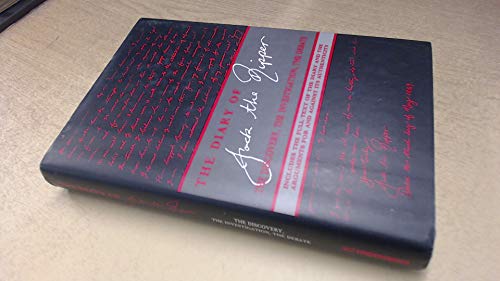
The story of the uncovering and authentication of a diary believed to be that of infamous serial killer "Jack the Ripper" relates information about the murders that has never been revealed
Reviews
There are signs everywhere that this is going to be a hot item. Hyperion rushed the book into print earlier than the proposed publishing date; 60 Minutes picked up the story and aired a debate on the authenticity of the diary itself; bookstores throughout the country are filling display-windows with copies of the book's handsome red-and-black cover. And then there's the evidence of the book itself. Whether or not this newly discovered diary of the Ripper is authentic--and the book makes a powerful argument that it is--the tale it tells is absolutely riveting. The suggestion is that the Ripper was actually a cotton merchant from Liverpool who, furious over his American wife's infidelity, went periodically to London to butcher whores who walked the streets close to where he had first seen his wife walking with her lover. The diary itself is either an elaborate and brilliant hoax authored early in the century (paper and ink dating have established that it is between 60 and 100 years old) or the genuine article. It is full of the sort of gruesome details that only someone with access to police records recently released could have known: for instance, that the Ripper took the heart of one of the victims home. The man himself, James Maybrick, was a drug addict who gradually became more and more unhinged throughout the authorship of his mad diary and ended up being murdered by his wife. From all angles, it is an extraordinary tale that, when accompanied by numerous arresting photographs and the text of the diary itself (in facsimile and in type), leaves one at the heart of a horrific and mesmerizing crime--one that somehow seems to define our terrible and frightening age. Stuart Whitwell
This controversial title, originally scheduled for publication by Warner Books and subsequently dropped, makes its American debut amid great speculation and skepticism. Is it real? Maybe, and then again maybe not. The diary's alleged author is James Maybrick, a Liverpool cotton merchant who began his ghastly reign of terror as the infamous Ripper after discovering that his wife was unfaithful. The volume is divided into three sections: a lengthy explanation of the case that tries desperately to convince the reader of both Maybrick's guilt and the diary's genuine pedigree; photographs of the original handwritten entries and a typed transcript of the diary's text; and a critical report on the dating of the diary by document specialist Kenneth Rendell, which is rebutted by the diary's British publisher, Robert Smith. Before releasing the volume, Smith consulted several psychologists, forensic experts, and noted "Ripperologists," several of whom agree the diary could be authentic. Many of the supposed clues clinching Maybrick's guilt, however, are as flimsy and ambiguous as those of the "Paul is dead" craze of 1968. True or false, this chilling read is still worth purchasing.
- Michael Rogers, "Library Journal"
Copyright 1993 Reed Business Information, Inc.
"About this title" may belong to another edition of this title.