Synopsis
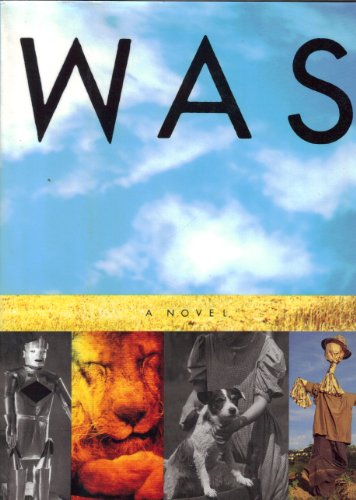
While volunteering in an insane asylum in 1956 Kansas, Bill Davison meets and becomes inamored with Dotty, an aged woman who insists that the story enacted on the television airing of The Wizard of Oz is her own.
Reviews
In a darkly imaginative, almost surreal improvisation on L. Frank Baum's Oz books, Dorothy Gael, an orphan churning with rage and self-hatred, is repeatedly sexually abused by her Uncle Henry on their Kansas farm. Sadistic, sanctimonious Aunty Em, who dislikes Dorothy's dog Toto, looks the other way. Rewriting the Oz story as a somber gothic fantasy rich in period detail, Ryman ( The Child Garden ) casts Baum as a substitute teacher who rescues Dorothy from life as a prostitute on the 1880s Kansas frontier. But Dorothy ends up in a mental institution where, as Old Doty, she will be discovered in 1956 by Bill Davison, a caring attendant. In a parallel story set in the 1980s, Jonathan, a gay, Canadian-born horror-film actor dying of AIDS, enters therapy with Bill, now a Los Angeles psychiatrist, who instructs him to visualize that he's in Oz to reenact a childhood obsession. Desperately seeking home, various characters--both real (Judy Garland) and fictional--follow the yellow brick roads of their heart's desires and converge in Kansas. Brilliantly inventive, Was ("a place that never goes away") combines a stunning portrayal of child abuse, Wizard of Oz film lore and a polyphonic meditation on the psychological burden of the past.
Copyright 1992 Reed Business Information, Inc.
The Scarecrow of Oz dying of AIDS in Santa Monica? Uncle Henry a child abuser? Dorothy, grown old and crazy, wearing out her last days in a Kansas nursing home? It's all here, in this magically revisionist fantasy on the themes from The Wizard of Oz. For Dorothy Gael (not a misprint), life with Uncle Henry and Aunty Em is no bed of roses: Bible-thumping Emma Gulch is as austere (though not as nasty) as Margaret Hamilton, and her foul- smelling husband's sexual assaults send his unhappy niece over the line into helpless rage at her own wickedness and sullen bullying of the other pupils in nearby Manhattan, Kansas. Despite a brush with salvation (represented by substitute teacher L. Frank Baum), she spirals down to madness courtesy of a climactic twister, only to emerge 70 years later as Dynamite Dottie, terror of her nursing home, where youthful orderly Bill Davison, pierced by her zest for making snow angels and her visions of a happiness she never lived, throws over his joyless fianc‚e and becomes a psychological therapist. Meanwhile, in intervening episodes in 1927 and 1939, Frances Gumm loses her family and her sense of self as she's transformed into The Kid, Judy Garland; and between 1956 and 1989, a little boy named Jonathan, whose imaginary childhood friends were the Oz people, grows up to have his chance to play the Scarecrow dashed by the AIDS that will draw him to Kansas--with counselor Davison in pursuit--in the hope of finding Dorothy's 1880's home and making it, however briefly, his own. This tale of homes lost and sought, potentially so sentimental, gets a powerful charge from Ryman's patient use of homely detail in establishing Dorothy's and Jonathan's childhood perspectives, and from the shocking effects of transforming cultural icons, especially in detailing Dorothy's sexual abuse. Science-fiction author Ryman (The Child Garden, 1990) takes a giant step forward with this mixture of history, fantasy, and cultural myth--all yoked together by the question of whether you can ever really go home. -- Copyright ©1992, Kirkus Associates, LP. All rights reserved.
"About this title" may belong to another edition of this title.