Synopsis
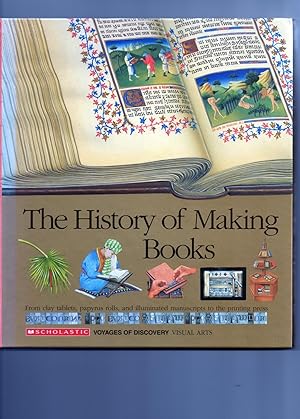
Cut-out pages, stickers, embossed and acetate pages, and a wealth of fascinating information combine in a complete history of the bookbinder's art that highlights fourteen lavishly illustrated spreads.
Reviews
Grade 4-6?As with the previous books in this series imported from France, plenty of format variations, including gatefolds, shaped edges, clear overlays, and embossed leaves?plus a sheet of stickers in a rear pocket?pump up presentations that already bulge with bright, sharply reproduced art. Making Books focuses on materials, from clay and bamboo to paper, and the technological development of type, printing, and binding. It also encompasses libraries, censorship, and children's books, though book illustration receives cursory treatment and there are only passing references to CDs and electronic formats. The forces that shape Our Changing Planet, including plate tectonics, climate, and the Earth's deep structure, get a quick review, prefaced by spreads on exploratory voyages, early science, and mythological views of the planet's origin. In both titles, a busy mix of full-color photos, reproductions of museum art, and new paintings both decorative and descriptive, force the captions into nooks and crannies, but generous line spacing gives the main texts an uncluttered look. The information is somewhat but not entirely Eurocentric, and though credited "Expert Readers" left in some howlers?the Earth's estimated age is off a thousandfold in Planet, and it is not quite true that magnets "point toward the North and South Poles"?the narratives are coherent, if general. These glitzy browsing items make great gifts but aren't likely to stay intact for long under library conditions.?John Peters, New York Public Library
Copyright 1996 Reed Business Information, Inc.
welcome discoveries Scholastic's Voyages of Discovery series, distinctive for its brilliantly colored, innovative design and interactive format, adds two new eye-catching volumes. The History of Making Books tells the story of the written word, from hieroglyphics to electronic libraries. Vivid photographic illustrations and film overlays help exemplify the processes of illuminating a manuscript or printing by color separation, and a heavy gun-metal gray page with raised type represents a printer's box full of metal characters. A page of stickers enables readers to pretend to set movable type or paste in endpapers. Similarly exciting embellishments jazz up geology and geography discussions in Our Changing Planet.
Copyright 1996 Reed Business Information, Inc.
"About this title" may belong to another edition of this title.