Synopsis
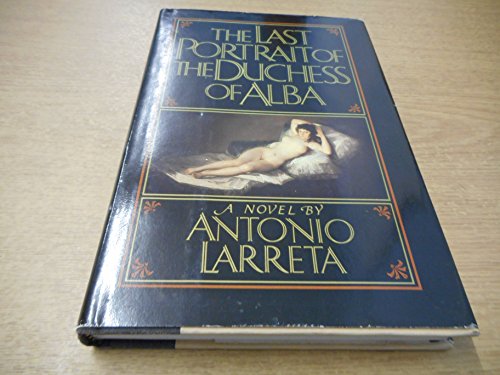
The circumstances surrounding the 1802 murder of the Duchess of Alba are related by two of the men suspected of committing the crime--Manuel Godoy, first minister to the royal family, and court painter Francisco de Goya
Reviews
The rich subject of Larreta's first novel, which, appearing under the title Volaverunt, has been a major popular and critical success in Spain, is the mystery of the Duchess of Alba's sudden death at 40 from undetermined causes. The beautiful Duchess, reputedly immortalized in Goya's renowned pair of paintings of the unnamed Maja, the naked and the clothed, was notorious for her flamboyant independence and had her enemies. So did she die of a sudden fever or was it suicide provoked by the rapid fading of her beauty and an ennui accelerated by addiction to the "powder of the Andes" and unappeased by a string of amours and a risky dabbling in palace intrigue? Or was she poisoned, as Madrid gossip would have it, at the instigation of her arch-rival the Queen, Maria Luisa? Larreta's account, in Carmell's smooth translation, is purportedly the recently discovered secret memoir of de Godoy, First Minister of Spain at the time of the Duchess's death in 1802, which, written years later, recounts, erstwhile lovers both, Godoy's and Goya's differing understandings of that fateful occasion. Ultimately, pleasurable as it is, the work disappoints, for the characters are insufficiently well rounded to evoke much sympathy, and the device of encapsulating commentaries within commentaries does not compensate for thinness of narrative line. BOMC alternate.
Copyright 1988 Reed Business Information, Inc.
The Duchess of Alba died at the age of 40 in 1802, ostensibly of a fever. Said to be the model for Goya's scandalous The Naked Maja , she may actually have committed suicide in despair over her fading beauty. Or she may have been poisoned by a jealous wife or a scheming court intriguer. Larreta's intricately plotted fictional inquest takes the form of a manuscript within a manuscript, transcribed and copiously footnoted by an imaginary editor in our own day. The result invites comparison with the works of such 19th-century delineators of passion as Constant and Merimee and is highly recommended for contemporary literature collections. Grove Koger, Boise P.L., Id.
Copyright 1988 Reed Business Information, Inc.
"About this title" may belong to another edition of this title.