Synopsis
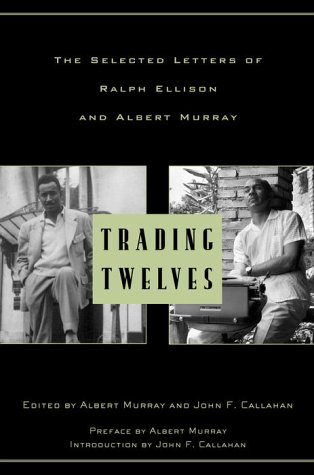
A joyous and important collection of letters between two great American writers and old friends, baring their hearts to each other about life, work, and the American scene.
When two jazz musicians trade twelves with each other in a jam session, one musician begins by riffing off twelve bars of music, the other musician throws the twelve bars back through his instrument, the first answers, and so on, back and forth, in an ecstatic exchange of ideas and emotions. So it is with these letters, joyful music created by the exchanges between two dear friends. Reading these letters, you sense that each man was the other's lifeline, that the emotional and intellectual companionship they found in each other was unique in their lives. They spill it all out here--their struggles, frustrations, ambitions, fears; thoughts on literary gossip, jazz, photography--and the result is literary history, and a book that reminds you what friendship is all about.
About the Author
Ralph Ellison was born in Oklahoma in 1914. He is the author of the novel Invisible Man (1952), as well as numerous essays and short stories. He died in New York City in 1994. Random House published Juneteenth, the book-length excerpt from his unfinished second novel, posthumously in 1999.
Albert Murray was born in Alabama in 1916. A cultural critic, biographer, essayist, and novelist, he has taught at several colleges, including Colgate and Barnard, and his works include The Omni-Americans, South to a Very Old Place, Train Whistle Guitar, The Blue Devils of Nada, and The Seven League Boots. Murray lives in New York City.
John F. Callahan is Morgan S. Odell Professor of Humanities at Lewis and Clark College in Portland, Oregon. He is the editor of Juneteenth and the Modern Library edition of The Collected Essays of Ralph Ellison. Callahan is the literary executor of Ralph Ellison's estate.
"About this title" may belong to another edition of this title.