
Items related to Cooking the Roman Way
Synopsis
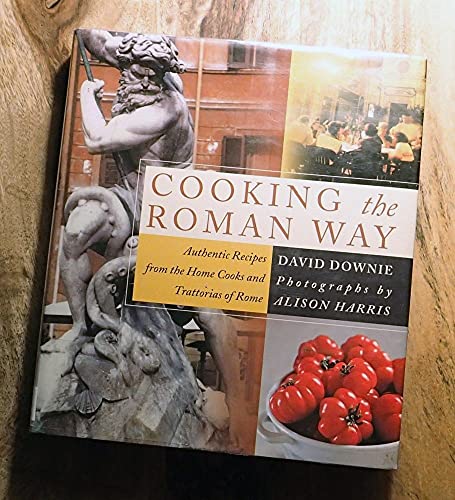
Rome is the most beloved city in Italy, if not the world. Rich in culture, art, and charm, the Eternal City is also home to some of the most delicious and accessible cooking in all of Italy. Influenced by both the earthy peasant fare of the surrounding hillsides and the fish from the nearby Mediterranean, Roman food makes the most of local ingredients and simple, age-old techniques. Yet while Italian cookbooks abound, no American book has focused on Romes unique and varied fare. In this beautifully illustrated cookbook, author David Downie and photographer Alison Harris offer a comprehensive collection of more than 125 Roman recipes, exploring the lively, uncomplicated food traditionally served in Roman homes and trattorie. From well-known dishes like Spaghetti Carbonara, to popular snack food like Pizza Bianca, to distinctive specialties like Roast Suckling Lamb, each recipe in Cooking the Roman Way is simple, authentic, and easy to make at home. With four-color photographs of landmarks, markets and food, stories about and profiles of food vendors, entertaining anecdotes, and a food lovers guide to the streets of the city, this book paints a vivid picture of Rome and the food that has sustained it for millennia.
"synopsis" may belong to another edition of this title.
About the Author
David Downie is the author of Enchanted Liguria: A Celebration of the Culture, Lifestyle, and Food of the Italian Riviera. His food and travel articles have appeared in many publications, including Saveur, Departures, and the Los Angeles Times Magazine. He has also published a book of essays in Italian and a thriller in French. He and his wife, Alison Harris, divide their time between Paris and Italy.
From the Back Cover
Rome is the most beloved city in Italy, if not the world. Rich in culture, art, and charm, the Eternal City is also home to some of the most delicious and accessible cooking in all of Italy. Influenced by both the earthy peasant fare of the surrounding hillsides and the fish from the nearby Mediterranean, Roman food makes the most of local ingredients and simple, age-old techniques. Yet while Italian cookbooks abound, no American book has focused on Romes unique and varied fare. In this beautifully illustrated cookbook, author David Downie and photographer Alison Harris offer a comprehensive collection of more than 125 Roman recipes, exploring the lively, uncomplicated food traditionally served in Roman homes and trattorie. From well-known dishes like Spaghetti Carbonara, to popular snack food like Pizza Bianca, to distinctive specialties like Roast Suckling Lamb, each recipe in Cooking the Roman Way is simple, authentic, and easy to make at home. With four-color photographs of landmarks, markets and food, stories about and profiles of food vendors, entertaining anecdotes, and a food lovers guide to the streets of the city, this book paints a vivid picture of Rome and the food that has sustained it for millennia.
Reviews
Food writer Downie explores the streets and alleys of Rome, gathering recipes from trattoria chefs, home cooks, and even his Roman-born mother in this wonderfully complete culinary tour of the Eternal City. The food of Rome has both inspired and been inspired by the food from other regions throughout Italy, and Downie highlights each recipe with history and anecdotes. For starters, Downie explores Rome's Jewish Ghetto and appears with Carciofi alla Giuda (Fried Artichokes, Jewish Style) and Fiori di Zucca Fritti (Fried Zucchini Flowers). Ubiquitous throughout Italy are two dishes-both of which are made with guanciale, cured pork jowl, and generous helpings of Pecorino Romano cheese: the Bucatini all'Amatriciana (named for the mountain town southeast of Rome) and the Spaghetti alla Carbonara (which many believe got its name from the dish's carbon-looking pepper flakes). Main meals include Martino al Forno (Monkfish Baked on a Bed of Lemony Potatoes) and the comfort dish, Frittata con le Zucchine (Zucchini Frittata with Fresh Mint and Pecorino Romano). For dessert there's the Christmastime special, Fichi Ripieni (Dried Figs Stuffed with Ricotto and Almonds and a summer cooler, La Granita di Caffe della Tazza d'Oro, a coffee granita. In his first cookbook, Downie has beautifully and evocatively captured the cuisine of one of the world's best-known cities.
Copyright 2002 Reed Business Information, Inc.
Although Rome is the country's capital, Roman cooking isn't necessarily considered the nation's finest or most influential. David Downie aims to prove that Rome's cuisine takes a backseat to no others. Cooking the Roman Way offers a host of attractive recipes that American cooks will have fun reproducing. Downie's fettuccine Alfredo follows the original, calling simply for butter, cheese, and eggs. He offers several versions of amatriciana sauce, one of them without tomatoes. Meat recipes get special attention, and his pork roast wrapped in bacon and seasoned with fennel will make an impressive centerpiece at many a party. Sidebars on Roman food products, restaurants, and history make worthwhile reading. Mark Knoblauch
Copyright © American Library Association. All rights reserved
Considering the number of Italian cookbooks published in the last few years, it's surprising that Downie's is one of a handful to focus on the food of the Eternal City. Of course, there are regional cookbooks that include the city and its environs, and dishes alla romana appear in many other Italian cookbooks, but none has explored Roman food in such passionate detail. Downie, a well-known food and travel writer, provides truly authentic versions of both specialties (e.g., Fried Artichokes Jewish-Style, which reflects the Roman "obsession" with artichokes and the strong influence of the Jewish community) and relatively unknown but delectable dishes (e.g., Curly Endive Risotto and Sweet-and-Sour Wild Boar or Pork). He writes amusingly and knowledgeably on everything Roman, including the city's long culinary history, and color photographs of markets and other street scenes, architectural details, and many of the recipes add to the appeal of the book. Highly recommended.
Copyright 2002 Reed Business Information, Inc.
"About this title" may belong to another edition of this title.
Search results for Cooking the Roman Way

Stock Image
Cooking the Roman Way
Published by
HarperCollins Publishers Inc, 2002
ISBN 10: 0060188928
ISBN 13: 9780060188924
Used
Hardcover
Seller: World of Books (was SecondSale), Montgomery, IL, U.S.A.
Seller rating 5 out of 5 stars

Hardback. Condition: Fair. Rome is the most beloved city in Italy, if not the world. Rich in culture, art, and charm, the Eternal City is also home to some of the most delicious and accessible cooking in all of Italy. Influenced by both the earthy peasant fare of the surrounding hillsides and the fish from the nearby Mediterranean, Roman food makes the most of local ingredients and simple, age-old techniques. Yet while Italian cookbooks abound, no American book has focused on Romes unique and varied fare. In this beautifully illustrated cookbook, author David Downie and photographer Alison Harris offer a comprehensive collection of more than 125 Roman recipes, exploring the lively, uncomplicated food traditionally served in Roman homes and trattorie. From well-known dishes like Spaghetti Carbonara, to popular snack food like Pizza Bianca, to distinctive specialties like Roast Suckling Lamb, each recipe in Cooking the Roman Way is simple, authentic, and easy to make at home. With four-color photographs of landmarks, markets and food, stories about and profiles of food vendors, entertaining anecdotes, and a food lovers guide to the streets of the city, this book paints a vivid picture of Rome and the food that has sustained it for millennia. Seller Inventory # 00107518591
Seller Image
Cooking the Roman Way
Published by
William Morrow Cookbooks, 2002
ISBN 10: 0060188928
ISBN 13: 9780060188924
Used
Hardcover
Seller: Zoom Books Company, Lynden, WA, U.S.A.
Seller rating 5 out of 5 stars
Condition: very_good. Book is in very good condition and may include minimal underlining highlighting. The book can also include "From the library of" labels. May not contain miscellaneous items toys, dvds, etc. . We offer 100% money back guarantee and 24 7 customer service. Seller Inventory # ZBV.0060188928.VG
Stock Image
Cooking the Roman Way
Published by
William Morrow Cookbooks, 2002
ISBN 10: 0060188928
ISBN 13: 9780060188924
Used
Hardcover
Seller: ThriftBooks-Dallas, Dallas, TX, U.S.A.
Seller rating 5 out of 5 stars
Hardcover. Condition: Good. No Jacket. Missing dust jacket; Pages can have notes/highlighting. Spine may show signs of wear. ~ ThriftBooks: Read More, Spend Less. Seller Inventory # G0060188928I3N01
Stock Image
Cooking the Roman Way
Published by
William Morrow Cookbooks, 2002
ISBN 10: 0060188928
ISBN 13: 9780060188924
Used
Hardcover
Seller: ThriftBooks-Atlanta, AUSTELL, GA, U.S.A.
Seller rating 5 out of 5 stars
Hardcover. Condition: Good. No Jacket. Missing dust jacket; Pages can have notes/highlighting. Spine may show signs of wear. ~ ThriftBooks: Read More, Spend Less. Seller Inventory # G0060188928I3N01
Stock Image
Cooking the Roman Way
Published by
William Morrow Cookbooks, 2002
ISBN 10: 0060188928
ISBN 13: 9780060188924
Used
Hardcover
Seller: ThriftBooks-Dallas, Dallas, TX, U.S.A.
Seller rating 5 out of 5 stars
Hardcover. Condition: Good. No Jacket. Former library book; Pages can have notes/highlighting. Spine may show signs of wear. ~ ThriftBooks: Read More, Spend Less. Seller Inventory # G0060188928I3N10
Stock Image
Cooking the Roman Way
Published by
HarperCollins Publishers Inc, 2002
ISBN 10: 0060188928
ISBN 13: 9780060188924
Used
Hardcover
Seller: World of Books Inc, Montgomery, IL, U.S.A.
Seller rating 4 out of 5 stars

Hardback. Condition: Fair. Rome is the most beloved city in Italy, if not the world. Rich in culture, art, and charm, the Eternal City is also home to some of the most delicious and accessible cooking in all of Italy. Influenced by both the earthy peasant fare of the surrounding hillsides and the fish from the nearby Mediterranean, Roman food makes the most of local ingredients and simple, age-old techniques. Yet while Italian cookbooks abound, no American book has focused on Romes unique and varied fare. In this beautifully illustrated cookbook, author David Downie and photographer Alison Harris offer a comprehensive collection of more than 125 Roman recipes, exploring the lively, uncomplicated food traditionally served in Roman homes and trattorie. From well-known dishes like Spaghetti Carbonara, to popular snack food like Pizza Bianca, to distinctive specialties like Roast Suckling Lamb, each recipe in Cooking the Roman Way is simple, authentic, and easy to make at home. With four-color photographs of landmarks, markets and food, stories about and profiles of food vendors, entertaining anecdotes, and a food lovers guide to the streets of the city, this book paints a vivid picture of Rome and the food that has sustained it for millennia. Seller Inventory # CIN0060188928A
Stock Image
Cooking the Roman Way
Published by
William Morrow Cookbooks, 2002
ISBN 10: 0060188928
ISBN 13: 9780060188924
Used
Hardcover
Seller: Evergreen Goodwill, Seattle, WA, U.S.A.
Seller rating 5 out of 5 stars
hardcover. Condition: Good. Seller Inventory # mon0000826121
Stock Image
Cooking the Roman Way
Published by
William Morrow Cookbooks, 2002
ISBN 10: 0060188928
ISBN 13: 9780060188924
Used
Hardcover
Seller: HPB-Diamond, Dallas, TX, U.S.A.
Seller rating 5 out of 5 stars
Hardcover. Condition: Very Good. Connecting readers with great books since 1972! Used books may not include companion materials, and may have some shelf wear or limited writing. We ship orders daily and Customer Service is our top priority! Seller Inventory # S_435460264
Stock Image
Cooking the Roman Way
Published by
William Morrow Cookbooks, 2002
ISBN 10: 0060188928
ISBN 13: 9780060188924
Used
Hardcover
Seller: HPB-Emerald, Dallas, TX, U.S.A.
Seller rating 5 out of 5 stars
Hardcover. Condition: Very Good. Connecting readers with great books since 1972! Used books may not include companion materials, and may have some shelf wear or limited writing. We ship orders daily and Customer Service is our top priority! Seller Inventory # S_448556569
Stock Image
Cooking the Roman Way : Authentic Recipes from the Home Cooks and Trattorias of Rome
Published by
HarperCollins Publishers, 2002
ISBN 10: 0060188928
ISBN 13: 9780060188924
Used
Hardcover
First Edition
Seller: Better World Books: West, Reno, NV, U.S.A.
Seller rating 5 out of 5 stars
Condition: Very Good. 1st Edition. Pages intact with possible writing/highlighting. Binding strong with minor wear. Dust jackets/supplements may not be included. Stock photo provided. Product includes identifying sticker. Better World Books: Buy Books. Do Good. Seller Inventory # 5442914-6