
Items related to Reel Change: A History of British Cinema from the Projection...
Synopsis
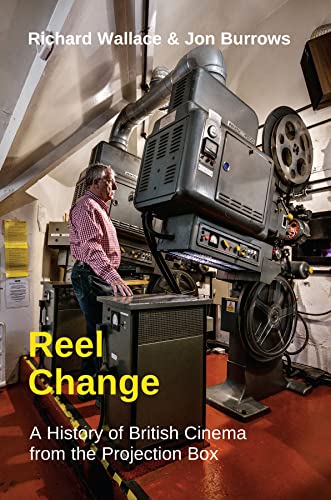
Ten years ago, a technological revolution swept through cinemas around the world, as analogue projectors were replaced with digital equipment. It was not just the plastic medium of film that was removed from projection boxes during this transformation; most cinemas took this opportunity to also evict the human projectionists who were hitherto in charge of screenings. Projectionists had been hidden from the sight of audiences for most of the history of photographic moving image projection, and their redundancies went largely unnoticed and unremarked upon.
This book focuses attention on what has been happening behind film spectators' heads for the past 130 years, and attempts to write the history of cinema in Britain from the perspective of its habitually overlooked and undervalued projectionists, beginning in the silent era and continuing to the present day. Drawing upon extensive archival research and lengthy interviews with former projectionists, it documents the key facets and challenges of their work, and how these evolved in response to previous waves of significant technological change. It evaluates how projectionists helped to design and maintain key aesthetic characteristics of the 20th century big screen experience. It shows how the institution of cinema in Britain has been historically underpinned by the harsh exploitation of projectionists by many employers, detailing inadequate wage levels and poor working conditions that formerly provoked government investigation, and explaining why these problems were never successfully ameliorated by trade unions. It also charts in depth the recent fateful transition to digital projection, delineating how and why projectionists were so swiftly and ruthlessly consigned to the past, and assessing whether this form of entertainment should be considered diminished by their super session.
"synopsis" may belong to another edition of this title.
About the Author
Richard Wallace is an Assistant Professor in Film and Television Studies at the University of Warwick. His research interests include British film and television history, screen documentary and comedy. He has published in the Journal of British Cinema and Television, Quarterly Review of Film and Video and Oral History and is the author of the book Mockumentary Comedy: Performing Authenticity. Jon Burrows is an Associate Professor in Film and Television Studies at the University of Warwick, UK. He is the author of numerous essays and articles about the British film industry during the silent era, and of two books: Legitimate Cinema: Theatre Stars in Silent British Films, 1908-1918 and The British Cinema Boom, 1909-1914: A Commercial History. Richard Wallace is an Assistant Professor in Film and Television Studies at the University of Warwick. His research interests include British film and television history, screen documentary and comedy. He has published in the Journal of British Cinema and Television, Quarterly Review of Film and Video and Oral History and is the author of the book Mockumentary Comedy: Performing Authenticity.
"About this title" may belong to another edition of this title.
Search results for Reel Change: A History of British Cinema from the Projection...

Stock Image
Reel Change: A History of British Cinema from the Projection Box
Seller: Midtown Scholar Bookstore, Harrisburg, PA, U.S.A.
Seller rating 5 out of 5 stars

paperback. Condition: Good. Good - Bumped and creased book with tears to the extremities, but not affecting the text block, may have remainder mark or previous owner's name - GOOD PAPERBACK Standard-sized. Seller Inventory # M0861967518Z3
Stock Image
Reel Change: A History of British Cinema from the Projection Box
Published by
John Libbey Publishing 16 A, 2022
ISBN 10: 0861967518
ISBN 13: 9780861967513
Used
Paperback
Seller: AwesomeBooks, Wallingford, United Kingdom
Seller rating 5 out of 5 stars
Paperback. Condition: Very Good. Reel Change: A History of British Cinema from the Projection Box This book is in very good condition and will be shipped within 24 hours of ordering. The cover may have some limited signs of wear but the pages are clean, intact and the spine remains undamaged. This book has clearly been well maintained and looked after thus far. Money back guarantee if you are not satisfied. See all our books here, order more than 1 book and get discounted shipping. . Seller Inventory # 7719-9780861967513
Buy Used
US$ 31.68
US$ 5.58 shipping
Ships from United Kingdom to U.S.A.
Ships from United Kingdom to U.S.A.
Quantity: 1 available
Stock Image
Reel Change : A History of British Cinema from the Projection Box
Seller: GreatBookPrices, Columbia, MD, U.S.A.
Seller rating 5 out of 5 stars
Condition: New. Seller Inventory # 44327346-n
Seller Image
Reel Change
Seller: Rarewaves.com USA, London, LONDO, United Kingdom
Seller rating 5 out of 5 stars
Paperback. Condition: New. Ten years ago, a technological revolution swept through cinemas around the world, as analogue projectors were replaced with digital equipment. It was not just the plastic medium of film that was removed from projection boxes during this transformation; most cinemas took this opportunity to also evict the human projectionists who were hitherto in charge of screenings. Projectionists had been hidden from the sight of audiences for most of the history of photographic moving image projection, and their redundancies went largely unnoticed and unremarked upon. This book focuses attention on what has been happening behind film spectators' heads for the past 130 years, and attempts to write the history of cinema in Britain from the perspective of its habitually overlooked and undervalued projectionists, beginning in the silent era and continuing to the present day. Drawing upon extensive archival research and lengthy interviews with former projectionists, it documents the key facets and challenges of their work, and how these evolved in response to previous waves of significant technological change. It evaluates how projectionists helped to design and maintain key aesthetic characteristics of the 20th century big screen experience. It shows how the institution of cinema in Britain has been historically underpinned by the harsh exploitation of projectionists by many employers, detailing inadequate wage levels and poor working conditions that formerly provoked government investigation, and explaining why these problems were never successfully ameliorated by trade unions. It also charts in depth the recent fateful transition to digital projection, delineating how and why projectionists were so swiftly and ruthlessly consigned to the past, and assessing whether this form of entertainment should be considered diminished by their super session. Seller Inventory # LU-9780861967513
Buy New
US$ 40.01
Free Shipping
Ships from United Kingdom to U.S.A.
Ships from United Kingdom to U.S.A.
Quantity: Over 20 available
Seller Image
Reel Change: A History of British Cinema from the Projection Box (Paperback or Softback)
Published by
John Libbey & Company 8/16/2022, 2022
ISBN 10: 0861967518
ISBN 13: 9780861967513
New
Paperback or Softback
Seller: BargainBookStores, Grand Rapids, MI, U.S.A.
Seller rating 5 out of 5 stars
Paperback or Softback. Condition: New. Reel Change: A History of British Cinema from the Projection Box. Book. Seller Inventory # BBS-9780861967513
Stock Image
Reel Change : A History of British Cinema from the Projection Box
Seller: GreatBookPrices, Columbia, MD, U.S.A.
Seller rating 5 out of 5 stars
Condition: As New. Unread book in perfect condition. Seller Inventory # 44327346
Stock Image
Reel Change: A History of British Cinema from the Projection Box
Seller: California Books, Miami, FL, U.S.A.
Seller rating 4 out of 5 stars

Condition: New. Seller Inventory # I-9780861967513
Stock Image
Reel Change: A History of British Cinema from the Projection Box
Published by
John Libbey Publishing 02/g /16 A, 2022
ISBN 10: 0861967518
ISBN 13: 9780861967513
Used
Paperback
Seller: Bahamut Media, Reading, United Kingdom
Seller rating 5 out of 5 stars
Paperback. Condition: Very Good. Shipped within 24 hours from our UK warehouse. Clean, undamaged book with no damage to pages and minimal wear to the cover. Spine still tight, in very good condition. Remember if you are not happy, you are covered by our 100% money back guarantee. Seller Inventory # 6545-9780861967513
Buy Used
US$ 31.68
US$ 9.46 shipping
Ships from United Kingdom to U.S.A.
Ships from United Kingdom to U.S.A.
Quantity: 1 available
Stock Image
Reel Change
Seller: PBShop.store UK, Fairford, GLOS, United Kingdom
Seller rating 5 out of 5 stars
PAP. Condition: New. New Book. Shipped from UK. Established seller since 2000. Seller Inventory # FW-9780861967513
Buy New
US$ 35.11
US$ 6.80 shipping
Ships from United Kingdom to U.S.A.
Ships from United Kingdom to U.S.A.
Quantity: 15 available
Stock Image
Reel Change (Paperback)
Published by
John Libbey & Co, Eastleigh, 2022
ISBN 10: 0861967518
ISBN 13: 9780861967513
New
Paperback
Seller: Grand Eagle Retail, Bensenville, IL, U.S.A.
Seller rating 5 out of 5 stars
Paperback. Condition: new. Paperback. Ten years ago, a technological revolution swept through cinemas around the world, as analogue projectors were replaced with digital equipment. It was not just the plastic medium of film that was removed from projection boxes during this transformation; most cinemas took this opportunity to also evict the human projectionists who were hitherto in charge of screenings. Projectionists had been hidden from the sight of audiences for most of the history of photographic moving image projection, and their redundancies went largely unnoticed and unremarked upon. This book focuses attention on what has been happening behind film spectators' heads for the past 130 years, and attempts to write the history of cinema in Britain from the perspective of its habitually overlooked and undervalued projectionists, beginning in the silent era and continuing to the present day. Drawing upon extensive archival research and lengthy interviews with former projectionists, it documents the key facets and challenges of their work, and how these evolved in response to previous waves of significant technological change. It evaluates how projectionists helped to design and maintain key aesthetic characteristics of the 20th century big screen experience. It shows how the institution of cinema in Britain has been historically underpinned by the harsh exploitation of projectionists by many employers, detailing inadequate wage levels and poor working conditions that formerly provoked government investigation, and explaining why these problems were never successfully ameliorated by trade unions. It also charts in depth the recent fateful transition to digital projection, delineating how and why projectionists were so swiftly and ruthlessly consigned to the past, and assessing whether this form of entertainment should be considered diminished by their super session. This item is printed on demand. Shipping may be from multiple locations in the US or from the UK, depending on stock availability. Seller Inventory # 9780861967513