
Items related to Trauma Responsive Educational Practices: Helping Students...
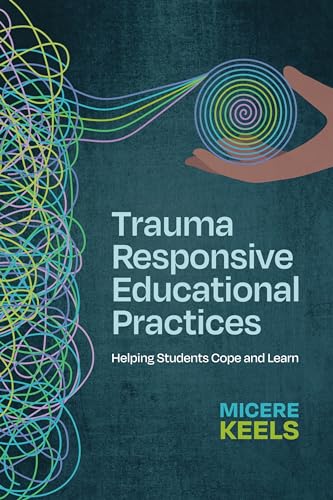
Synopsis
No educator can ignore the effects of traumatic stressors on students. This is especially true for those in schools serving racially and ethnically marginalized or low-income children.
Every day, millions of students in the United States go to school weighed down by interpersonal traumas, community traumas, and the traumatic effects of historical and contemporary race-based oppression.
A wide range of adverse childhood events—including physical, verbal, emotional, and sexual abuse; chronic bullying; community or domestic violence; and food and housing insecurity—can lead to a host of negative outcomes. However, when schools provide developmentally supportive responses to these challenges, post-traumatic growth becomes possible.
In Trauma Responsive Educational Practices, Micere Keels
* examines the neurobiology of trauma;
* presents mindfulness strategies that strengthen student self-regulation and extend professional longevity; and
* demonstrates how to build pedagogically caring relationships, psychologically safe discipline, and an emotionally safe classroom learning climate.
Keels also shows educators how to attend to equity and use trauma as a critical lens through which to plan instruction and respond to challenging situations with coregulation.
It's important to understand that trauma is subjective and complex, treatment is not prescriptive, and recovery takes time. This book helps educators support students on that road―not merely to survive trauma but to focus on their strengths and flourish with effective coping skills.
"synopsis" may belong to another edition of this title.
About the Author
Micere Keels is an associate professor at the University of Chicago and the founding director of the Trauma Responsive Educational Practices Project. For over two decades, she has worked to integrate mental health promotion interventions into educational systems and structures, from early childhood centers to high schools. The TREP Project works to develop the individual and organizational capacity of educators and schools serving children growing up in neighborhoods that have high levels of toxic stress, such as violent crime, concentrated poverty, concentrated foster care involvement, and housing instability.
"About this title" may belong to another edition of this title.
Search results for Trauma Responsive Educational Practices: Helping Students...

Stock Image
Trauma Responsive Educational Practices: Helping Students Cope and Learn
Seller: Your Online Bookstore, Houston, TX, U.S.A.
Seller rating 5 out of 5 stars

paperback. Condition: Very Good. Seller Inventory # 1416631739-2-37934395
Stock Image
Trauma Responsive Educational Practices: Helping Students Cope and Learn
Seller: World of Books (was SecondSale), Montgomery, IL, U.S.A.
Seller rating 5 out of 5 stars
Paperback. Condition: Good. No educator can ignore the effects of traumatic stressors on students. This is especially true for those in schools serving racially and ethnically marginalized or low-income children. Every day, millions of students in the United States go to school weighed down by interpersonal traumas, community traumas, and the traumatic effects of historical and contemporary race-based oppression.A wide range of adverse childhood events--including physical, verbal, emotional, and sexual abuse; chronic bullying; community or domestic violence; and food and housing insecurity--can lead to a host of negative outcomes. However, when schools provide developmentally supportive responses to these challenges, post-traumatic growth becomes possible.In>Trauma Responsive Educational Practices, Micere Keels * examines the neurobiology of trauma;* presents mindfulness strategies that strengthen student self-regulation and extend professional longevity; and* demonstrates how to build pedagogically caring relationships, psychologically safe discipline, and an emotionally safe classroom learning climate.Keels also shows educators how to attend to equity and use trauma as a critical lens through which to plan instruction and respond to challenging situations with coregulation.It's important to understand that trauma is subjective and complex, treatment is not prescriptive, and recovery takes time. This book helps educators support students on that road--not merely to survive trauma but to focus on their strengths and flourish with effective coping skills. Seller Inventory # 00103754659
Seller Image
Trauma Responsive Educational Practices: Helping Students Cope and Learn
Seller: Greenworld Books, Arlington, TX, U.S.A.
Seller rating 5 out of 5 stars
Condition: very_good. Fast Free Shipping â" Very Good condition book with a firm cover and clean pages. Shows normal use and some light wear or limited notes markings. A solid, nice copy to enjoy. Seller Inventory # GWV.1416631739.VG
Seller Image
Trauma Responsive Educational Practices: Helping Students Cope and Learn
Seller: Bay State Book Company, North Smithfield, RI, U.S.A.
Seller rating 5 out of 5 stars
Condition: very_good. Seller Inventory # BSM.1AK2P
Stock Image
Trauma Responsive Educational Practices: Helping Students Cope and Learn
Seller: World of Books Inc, Montgomery, IL, U.S.A.
Seller rating 4 out of 5 stars

Paperback. Condition: Good. No educator can ignore the effects of traumatic stressors on students. This is especially true for those in schools serving racially and ethnically marginalized or low-income children. Every day, millions of students in the United States go to school weighed down by interpersonal traumas, community traumas, and the traumatic effects of historical and contemporary race-based oppression.A wide range of adverse childhood events--including physical, verbal, emotional, and sexual abuse; chronic bullying; community or domestic violence; and food and housing insecurity--can lead to a host of negative outcomes. However, when schools provide developmentally supportive responses to these challenges, post-traumatic growth becomes possible.In>Trauma Responsive Educational Practices, Micere Keels * examines the neurobiology of trauma;* presents mindfulness strategies that strengthen student self-regulation and extend professional longevity; and* demonstrates how to build pedagogically caring relationships, psychologically safe discipline, and an emotionally safe classroom learning climate.Keels also shows educators how to attend to equity and use trauma as a critical lens through which to plan instruction and respond to challenging situations with coregulation.It's important to understand that trauma is subjective and complex, treatment is not prescriptive, and recovery takes time. This book helps educators support students on that road--not merely to survive trauma but to focus on their strengths and flourish with effective coping skills. Seller Inventory # CIN1416631739G
Seller Image
Trauma Responsive Educational Practices: Helping Students Cope and Learn
Seller: Blue Vase Books, Interlochen, MI, U.S.A.
Seller rating 5 out of 5 stars
Condition: very_good. Book has little sign of wear or use. Seller Inventory # BVV.1416631739.VG
Seller Image
Trauma Responsive Educational Practices: Helping Students Cope and Learn
Seller: ebooks Keystone, Reading, PA, U.S.A.
Seller rating 4 out of 5 stars
Condition: good. This book is in good condition, with minimal signs of wear and tear. Seller Inventory # GWKV.1416631739.G
Stock Image
Trauma Responsive Educational Practices: Helping Students Cope And Learn
Seller: GreatBookPrices, Columbia, MD, U.S.A.
Seller rating 5 out of 5 stars
Condition: New. Seller Inventory # 45749631-n
Stock Image
Trauma Responsive Educational Practices: Helping Students Cope and Learn [Paperback] Keels, Micere
Seller: Lakeside Books, Benton Harbor, MI, U.S.A.
Seller rating 5 out of 5 stars
Condition: New. Brand New! Not Overstocks or Low Quality Book Club Editions! Direct From the Publisher! We're not a giant, faceless warehouse organization! We're a small town bookstore that loves books and loves it's customers! Buy from Lakeside Books! Seller Inventory # OTF-S-9781416631736
Seller Image
Trauma Responsive Educational Practices: Helping Students Cope and Learn (Paperback or Softback)
Published by
ASCD 3/17/2023, 2023
ISBN 10: 1416631739
ISBN 13: 9781416631736
New
Paperback or Softback
Seller: BargainBookStores, Grand Rapids, MI, U.S.A.
Seller rating 5 out of 5 stars
Paperback or Softback. Condition: New. Trauma Responsive Educational Practices: Helping Students Cope and Learn. Book. Seller Inventory # BBS-9781416631736