Items related to Ian Fleming: The Man Behind James Bond
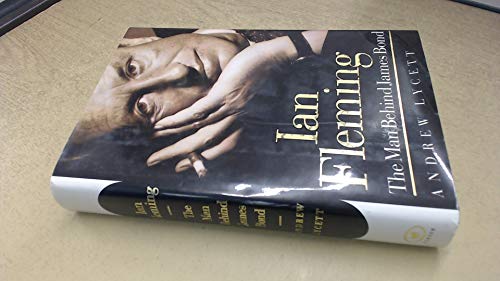

Offers a look at the personal and professional life of the creator of secret agent 007
"synopsis" may belong to another edition of this title.
About the Author:
Andrew Lycett was educated at Charterhouse and Christ Church, Oxford (where he read modern history). As a foreign reporter he specialised in Africa and the Middle East. A full-time author since the early 1990s, he has written a number of highly acclaimed biographies and lives in north London.
From AudioFile:
A rich life story is matched with an ideal reader. Andrew Lycett's literate, well-researched biography of Ian Fleming--whose string of James Bond novels capped an exciting life that included wartime service, espionage and love affairs--is an absorbing account of one of the most fascinating figures of popular culture. Lycett's sure grasp of the Bond novels also allows him to refer to pertinent and familiar scenes that reflect Fleming's many travels and earlier experiences. Robert Whitfield narrates the text in clear, crisp BBC English. His brisk pace fits Lycett's trim, balanced sentences. Fleming loved privilege, and his life story is served well by a reader whose performance connotes a patrician equanimity and style. G.H. (c)AudioFile, Portland, Maine
"About this title" may belong to another edition of this title.
- PublisherTurner Pub
- Publication date1995
- ISBN 10 1570363439
- ISBN 13 9781570363436
- BindingHardcover
- Edition number1
- Number of pages486
- Rating
Buy New
Learn more about this copy
US$ 15.74
Shipping:
US$ 4.25
Within U.S.A.
Top Search Results from the AbeBooks Marketplace
Stock Image
Ian Fleming: The Man Behind James Bond
Seller:
Rating

Book Description Hardcover. Condition: new. New Copy. Customer Service Guaranteed. Seller Inventory # think1570363439
Buy New
US$ 15.74
Convert currency
Stock Image
Ian Fleming: The Man Behind James Bond
Seller:
Rating
Book Description Hardcover. Condition: new. New. Fast Shipping and good customer service. Seller Inventory # Holz_New_1570363439
Buy New
US$ 21.27
Convert currency
Stock Image
Ian Fleming: The Man Behind James Bond
Seller:
Rating
Book Description Hardcover. Condition: New. Seller Inventory # DADAX1570363439
Buy New
US$ 25.86
Convert currency
Stock Image
Ian Fleming: The Man Behind James Bond
Published by
Brand: Turner Pub
(1995)
ISBN 10: 1570363439
ISBN 13: 9781570363436
New
Hardcover
Quantity: 1
Seller:
Rating
Book Description Condition: new. Seller Inventory # FrontCover1570363439
Buy New
US$ 29.05
Convert currency
Stock Image
Ian Fleming: The Man Behind James Bond
Published by
Turner Pub, Atlanta, GA
(1996)
ISBN 10: 1570363439
ISBN 13: 9781570363436
New
Hardcover
First Edition
Quantity: 1
Seller:
Rating
Book Description Hardcover. Condition: New. Dust Jacket Condition: New. 1st Edition. First Edition stated, with correct number line sequence, no writing, marks, underlining, or bookplates. No remainder marks. Spine is tight and crisp. Boards are flat and true and the corners are square. Dust jacket is not price-clipped. This collectible, " NEW" condition first edition/first printing copy is protected with a polyester archival dust jacket cover. Beautiful collectible copy. Unread. Pristine. GIFT QUALITY. Seller Inventory # 006148
Buy New
US$ 34.95
Convert currency
Stock Image
Ian Fleming: The Man Behind James Bond
Seller:
Rating
Book Description Hardcover. Condition: new. New. Seller Inventory # Wizard1570363439
Buy New
US$ 54.93
Convert currency
Stock Image
Ian Fleming: The Man Behind James Bond
Seller:
Rating
Book Description Hardcover. Condition: new. Buy for Great customer experience. Seller Inventory # GoldenDragon1570363439
Buy New
US$ 55.74
Convert currency
Stock Image
Ian Fleming: The Man Behind James Bond
Seller:
Rating
Book Description Hardcover. Condition: New. Seller Inventory # Abebooks451060
Buy New
US$ 59.00
Convert currency
Stock Image
IAN FLEMING: THE MAN BEHIND JAME
Seller:
Rating

Book Description Condition: New. New. In shrink wrap. Looks like an interesting title! 1.8. Seller Inventory # Q-1570363439
Buy New
US$ 60.00
Convert currency