Items related to Traditional African Religions in South African Law
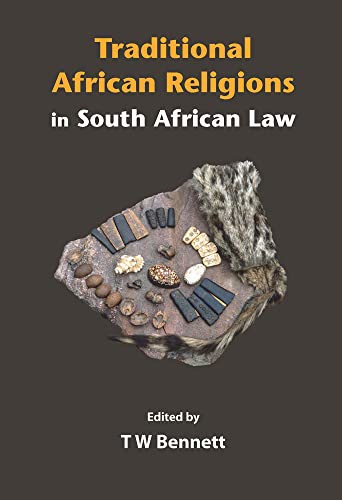

"Traditional African beliefs, together with African cultural traditions, are enjoying a new-found respect in South Africa, due in large part to the advent of the country's democratic constitution. In fact, a large majority of the South African populationadheres to some form of traditional belief, often in combination with observance of other religions. Even so, the traditional faiths are poorly understood and, in spite of constitutional guarantees, receive far from equal treatment, a situation quite at odds with the country's commitment to equality and religious and cultural diversity. Throughout Africa, there is a strong tendency to confound indigenous beliefs with culture. Because religion is always taken more seriously than culture, this means that traditional beliefs do not attract the respect they deserve. While there are numerous works on the subject of religion in Africa, there are no works on traditional African religions and their legal implications. The issue is nevertheless of serious political and legal concern in South Africa, since it raises diverse questions involving freedom of religion, the equal treatment of religions, traditional healing, witchcraft, animal sacrifice, circumcision, marriage and burial. The overall purpose of the titleis to consider whether indigenous African religions, independent African churches and traditional practices deserve constitutional protection and recognition by the state. If recognised, they will then become subject to certain state controls and benefits: the need for registration; the licensing of ministers as marriage officers (with consequences for the validity of customary and other marriages); and significantly, of course, tax exemptions. This title thus explores the legal and constitutional implications of traditional religion and, in particular, the state's intervention in religious matters."--Publisher's description.
"synopsis" may belong to another edition of this title.
About the Author:
Professor Thomas Bennett is Professor of Law at the University of Cape Town, and currently lectures in Conflict of Laws, Principles of Public International Law, and International Law on the Regulation of Disputes. He is a consultant and advisor on matters of human rights, customary law and international law to various NGOs and has written extensively on customary law.
"About this title" may belong to another edition of this title.
- PublisherUniversity of Cape Town Press
- Publication date2011
- ISBN 10 1919895388
- ISBN 13 9781919895383
- BindingPaperback
- Edition number1
- Number of pages304
- EditorBennett Tom
Top Search Results from the AbeBooks Marketplace

Stock Image
Traditional African Religions in South African Law
Published by
University of Cape Town Press
(2011)
ISBN 10: 1919895388
ISBN 13: 9781919895383
Used
Softcover
Quantity: 1
Seller:
Rating

Book Description Condition: Good. . Seller Inventory # 5DY0000002R5_ns
Buy Used
US$ 6.01
Convert currency
Seller Image
Traditional African Religions in South African Law
Published by
University of Cape Town Press
(2011)
ISBN 10: 1919895388
ISBN 13: 9781919895383
Used
Soft cover
First Edition
Quantity: 1
Seller:
Rating
Book Description Soft cover. Condition: Very Good. 1st Edition. wraps are shelf rubbed. light marks. clean. well bound. very good copy.[S.K]. Our orders are shipped using tracked courier delivery services. Seller Inventory # bayv
Buy Used
US$ 40.00
Convert currency