
Items related to Paolo Roversi: Studio
Synopsis
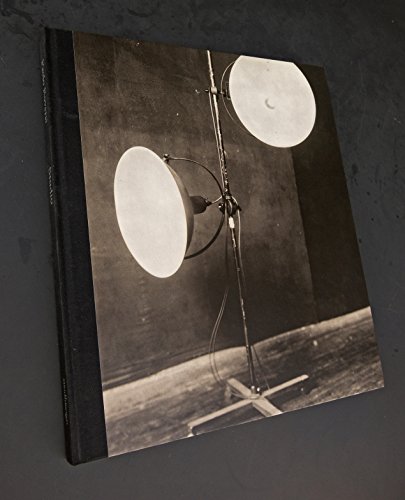
Studio assesses nearly two decades of Paolo Roversi's hugely influential studio portraiture. Within the confines of his Paris studio, Roversi photographs using an 8 x 10 Polaroid format, often allowing the images to fade before affixing them to their substrate. His long exposures at close range harness an aesthetic that dates back to the earliest days of studio photography, but with a renewed urgency that wavers somewhere between history and apparition. Stripped of the usual accoutrements of studio portraiture, Roversi's subjects push back with a vulnerable intensity that reveals as much of the photographer as of the model. The images collected here function not only as a series of individual portraits but also as a collective self-portrait of the artist and the place that stands at the center of his work. First published in 2005 in a limited edition, this new edition of Paolo Roversi's sumptuous and critically acclaimed book presents a distinctive body of work in an accessible trade edition.
Paolo Roversi was born in 1947 in Italy. In 1970 he began collaborating with the Associated Press. His first assignment was to cover Ezra Pound's funeral in Venice. During the same year, Roversi opened his first portrait studio in Ravenna, photographing local celebrities and their families. In 1971, he met Peter Knapp, the legendary Art Director at Elle magazine, and at Knapp's invitation, he visited Paris in November of 1973, where he has remained since. His photographs have appeared in numerous publications, including French and Italian Vogue. He lives and works in Paris.
"synopsis" may belong to another edition of this title.
About the Author
Paolo Roversi was born in 1947 in Italy. He currently lives in Paris, photographs for Harper's Bazaar, and has led numerous publicity campaigns for such illustrious clients as Christian Dior, Cerruti, Valentino, Yves Saint-Laurent, and Comme des Garcons. His preference for shooting in the studio, using an 8-by-10-inch Polaroid, results in portraits that reveal an acute understanding of the history of photography.
"About this title" may belong to another edition of this title.
Search results for Paolo Roversi: Studio

Seller Image
Studio
Published by
Gottingen, SteidlDangin,, Gottingen, 2008
ISBN 10: 3865217583
ISBN 13: 9783865217585
Used
Hardcover
Seller: Studio Bibliografico Marini, ROMA, RM, Italy
Seller rating 5 out of 5 stars

hardcover. Condition: Fine. Nuova edizione (New Edition). Testo e 57 fotografie in bianco e nero di Paolo Roversi Design: Pascal Dangin e Paolo Roversi. Pubblicato per la prima volta nel 2005 in un'edizione limitata di 1000 copie. Cm 33x28,6. pp. 120. . Ottimo (Fine). . Nuova edizione (New Edition). . Pubblicato per la prima volta nel 2005, Studio presenta quasi due decenni di importanti ritratti in studio di Paolo Roversi. Ora ripubblicato in una nuova edizione, Studio promette uno sguardo più da vicino a questo corpo distintivo di lavoro, tanto sorprendente quanto inquietantemente familiare.All'interno dei confini del suo studio parigino, Roversi fotografa soggetti in formato Polaroid 8x10, lasciando spesso che le sue immagini sbiadiscano prima di fissarle. Le lunghe esposizioni a distanza ravvicinata imbrigliano un'estetica propria dei primi tempi della fotografia in studio, ma con una rinnovata urgenza che oscilla tra storia e apparizione. Le immagini qui raccolte funzionano non solo come una serie di ritratti individuali, ma anche come autoritratto collettivo dell'artista e del luogo che sta al centro del suo lavoro. Book. Seller Inventory # bc_225971
Buy Used
US$ 462.35
US$ 39.28 shipping
Ships from Italy to U.S.A.
Ships from Italy to U.S.A.
Quantity: 1 available
Stock Image
Paolo Roversi: Studio
Published by
Steidldangin, Gottingen, 2008
ISBN 10: 3865217583
ISBN 13: 9783865217585
Used
Hardcover
First Edition
Seller: Daedalus Books, Portland, OR, U.S.A.
Seller rating 5 out of 5 stars
Hardcover. Condition: Near Fine. First Edition. Light wear to boards. A nice, bright copy. ; 4to ; 120 pages. Seller Inventory # 332147
Seller Image
Studio. Collector Edition
Published by
Gottingen, SteidlDangin,, Gottingen, 2005
ISBN 10: 3865217583
ISBN 13: 9783865217585
Used
Hardcover
Seller: Studio Bibliografico Marini, ROMA, RM, Italy
Seller rating 5 out of 5 stars
hardcover. Condition: As New. Preziosa edizione con testo e 57 fotografie in bianco e nero di Paolo Roversi. Immagini a piena e doppia pagina su tavole ripiegate Design: Pascal Dangin e Paolo Roversi. Esemplare 954/1000. Cm 33x28,6. pp. 120. . Perfetto (Mint). . Prima edizione originale di 1000 esemplari (First original edition of 1000 copies). . Studio presenta quasi due decenni di importanti ritratti in studio di Paolo Roversi. All'interno dei confini del suo studio parigino, Roversi fotografa soggetti in formato Polaroid 8x10, lasciando spesso che le sue immagini sbiadiscano prima di fissarle. Le lunghe esposizioni a distanza ravvicinata imbrigliano un'estetica propria dei primi tempi della fotografia in studio, ma con una rinnovata urgenza che oscilla tra storia e apparizione. Le immagini qui raccolte funzionano non solo come una serie di ritratti individuali, ma anche come autoritratto collettivo dell'artista e del luogo che sta al centro del suo lavoro. Prima edizione originale di 1000 esemplari (First original edition of 1000 copies). Book. Seller Inventory # bc_226426
Buy Used
US$ 751.32
US$ 39.28 shipping
Ships from Italy to U.S.A.
Ships from Italy to U.S.A.
Quantity: 1 available
Seller Image
Paolo Roversi: Studio
Published by
Steidldangin, Germany, 2009
ISBN 10: 3865217583
ISBN 13: 9783865217585
New
Hardcover
First Edition
Seller: 1968agency, Montecatini Terme, PT, Italy
Seller rating 5 out of 5 stars
Rilegato. Condition: nuovo. Dust Jacket Condition: nuovo. Paolo Roversi (illustrator). prima edizione. Studio features nearly two decades of Paolo Roversi's hugely influential studio portraiture. Within the confines of his Paris studio, Roversi photographs subjects in 8x10 Polaroid format, often allowing his images to fade before fixing them to their substrate. His long exposures at close range harness an aesthetic from the earliest days of studio photography, but with a renewed urgency that wavers somewhere between history and apparition. Stripped of the usual accoutrements of studio portraiture, Roversi's subjects push back with a vulnerable intensity that reveals as much of the photographer as of the model. The images collected here function not only as a series of individual portraits, but also as a collective self-portrait of the artist and the place that stands at the center of his work. 120 pages Book / Half-linen 33 x 28.6 cm English 1. Edition 08/2009 Out of print Condition: New. Seller Inventory # ABE-1773914522193
Buy New
US$ 716.64
US$ 77.07 shipping
Ships from Italy to U.S.A.
Ships from Italy to U.S.A.
Quantity: 3 available
Stock Image
Paolo Roversi: Studio Paolo Roversi
Seller: BUCHSERVICE / ANTIQUARIAT Lars Lutzer, Wahlstedt, Germany
Seller rating 5 out of 5 stars
Condition: gut. Paolo Roversi: Studio In deutscher Sprache. pages. Seller Inventory # BN381958
Buy Used
US$ 1,386.94
US$ 44.83 shipping
Ships from Germany to U.S.A.
Ships from Germany to U.S.A.
Quantity: 1 available