Synopsis
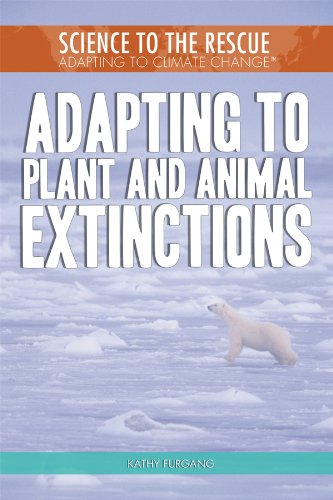
At the current rate of extinction, more than one million species will be forever gone from Earth by the year 25. Extinction is the greatest danger to biodiversity and to food webs. This book lays out the startling facts regarding the scope of this looming problem, but also provides necessary hope and encouragement—detailing the ways in which scientists, engineers, and climatologists are gathering the knowledge and testing the technologies necessary to slow and eventually reverse climate change, preserve vulnerable habitats, fight invasive species, create “doomsday” seed banks, and even clone endangered species. Readers will be empowered by learning practical, everyday strategies through conservation, volunteerism, political action, and a reduction in the carbon footprint of themselves, their family, and their wider community.
Reviews
Gr 6-9-Each volume explores how climate change is impacting people, animals, and plants, and how it will have increasingly serious consequences. Stressing the urgency of the problems without making the situation seem hopeless, the authors encourage readers to act both by implementing individual actions (limiting lawn watering, leading workshops at school, etc.) and by supporting social and political changes; they also introduce futuristic options, such as constructing skyscraper farms. Color photos and diagrams offer a bit of visual variety. However, some illustrations, such as an image meant to help explain the impact of climate change on the California coastline, are too small to present information effectively. An extensive list of government agencies and private organizations working on environmental issues and suggestions for further reading offer additional resources for readers wanting to turn what they learn into action.α(c) Copyright 2011. Library Journals LLC, a wholly owned subsidiary of Media Source, Inc. No redistribution permitted.
"About this title" may belong to another edition of this title.