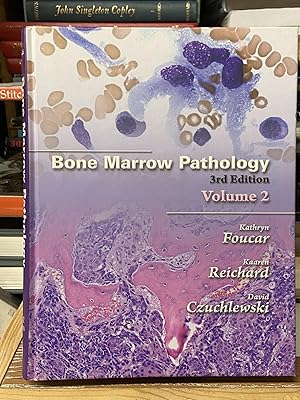
The 3rd Edition of Kathryn Foucar's Bone Marrow Pathology connects the field of bone marrow diagnosis with advances in immunology research and the latest diagnostic techniques
This is the best of both worlds - A comprehensive atlas of over 2,000 high-quality diagnostic images and illustrations of genetic results combined with practical advice from experts in hematopathology, flow cytometry, and molecular genetic pathology.
You can count on Bone Marrow Pathology for answers to questions about possible diagnoses and how to proceed, as well as comprehensive coverage of immunology research and key diagnostic techniques included flow cytometry, immunophenotyping, immunohistochemistry, and cytogenetic and molecular genetic analysis.
Features Include:
- Diagnostic clues and caveats
- Coverage of the full scope of 2008 WHO criteria
- Newly recognized benign and neoplastic disorders
- New sections on the pathophysiologic/pathogenetic mechanism of disease for each entity
- Morphologic approaches and standard techniques thoroughly revised and freshly illustrated
- Insightful sidebars about molecular genetics
This amazing work is absolutely essential for anyone who signs out bone marrow biopsies. The third edition seems like an entirely new book. Essentially, every relevant piece of information in the field of bone marrow pathology is incorporated in this encyclopedic work. Introductory chapters provide an excellent overview of normal blood and bone marrow morphology and special techniques (cytochemistry, immunohistochemistry, cytogenetics, FISH and molecular studies), which is especially helpful for those beginning to learn bone marrow pathology and those looking for a quick review. Although detailed, the text is well structured following the same, easily readable format throughout the two volumes and 36 chapters. The multidisciplinary approach to the bone marrow biopsy is emphasized, and all the pertinent ancillary studies, such as flow cytometry histograms, karyograms, and FISH images, accompany the text. The illustrations are exquisite, and address both the common histologic appearances and important variations associated with each entity. --Anamarija Perry, MD -- Doody's Review Service ©