Synopsis
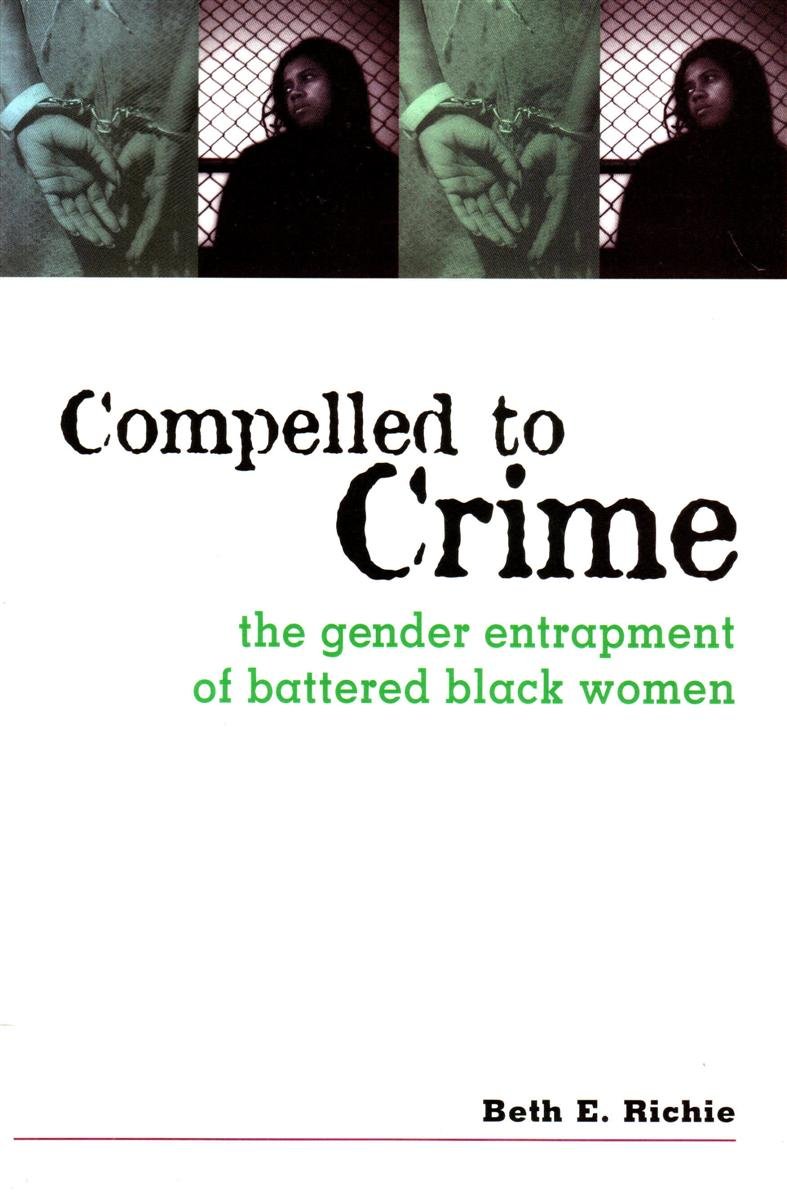
Compelled to Crime tells the stories of battered African American women incarcerated in a New York city correctional facility and explores what happens when the criminal justice system is introduced as a repressive force in their lives. Borrowing from the legal notion of 'gender entrapment', Beth Richie details the ways in which African American women are hemmed into the corners of U.S. society by virtue of their vulnerability to men's violence, and penalized for behaviors that are prescribed by societal mores of appropriate gender roles. Often misrepresented and misunderstood, these women have been physically battered, sexually assaulted, and emotionally abused. These devastating circumstances represent a position from which there is little escape. Desperation leads them into illegal activities, and the cycle is only perpetuated by a legal system that continues to penalize these women and deny them access to the counseling and services they so desperately need to change their lives.
Reviews
While African Americans consider how to accommodate participation in the feminist and black nationalist movements, Richie has taken on one of the most contested issues within the community: African American women battered by African American men. For her study, Richie concentrates on a group of 37 women detained at Rikers Island, who come from a background of poverty and physical and emotional abuse. Richie claims that their experiences represent the extreme of what many African American women undergo as a result of marginalization and hard choices. Throughout she emphasizes her theory of gender entrapment, whereby society provides these women?most of whom want to conform to societal norms?with no socially acceptable way to change their position, making incarceration almost inevitable. Many of the interviewees were determined not to speak out against African American men, believing that their partners already have fewer opportunities than they do. Others believe that, having participated in criminal acts, they are prohibited from taking advantage of social programs designed to help battered women. Although often academically dry and statistical, Richie's book still allows ample room for the women's compelling life histories. She does not, however, offer suggestions for solutions. Hope doesn't illuminate this book?just cold, hard facts.
Copyright 1995 Reed Business Information, Inc.
"About this title" may belong to another edition of this title.