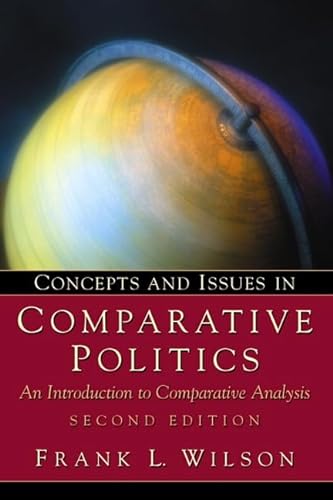
Concepts and Issues in Comparative Politics: An Introduction to Comparative Analysis
Wilson, Frank
ISBN 10:
0130950203 ISBN 13:
9780130950208
Published by Pearson, 2001
Language: English
Condition: Used - Fair
Soft cover
Sold by Your Online Bookstore, Houston, TX, U.S.A.
AbeBooks Seller since July 6, 2010
Seller rating 5 out of 5 stars

Used - Soft cover
Condition: Used - Fair
Price:
US$ 3.87
Free Shipping
Ships within U.S.A.
Ships within U.S.A.
Quantity: 1 available
Add to basket


