Synopsis
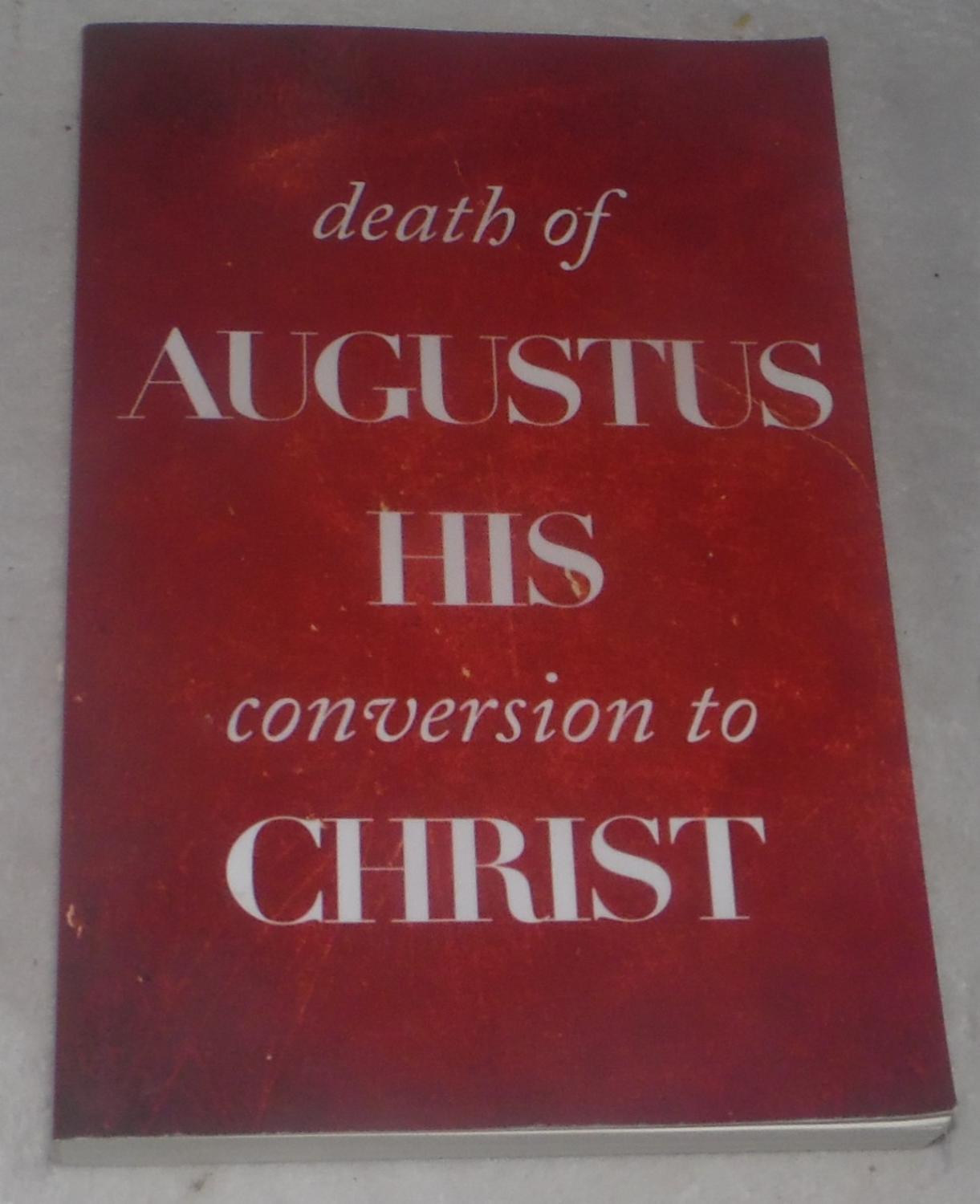
Myth and the Church Augustus Caesar, Son of God, started the Christiancalendar. Moreover, he also contributed massively to thepersona of Christ, to Christianity and to the ChristianChurch. Indeed, Jesus, a Jewish prophet, was transformedin the process to become the God of Christian Europe. Augustus, the Godfather of Europe, spawned a religion aliento Rome and the world of Rome he had created. This was not the work of Augustus himself. However, Augustus was the luminary of the Roman state religion before he was transformed into the second person of the Trinity. The processes involved in these changes are followedthrough the first four centuries of the Christian era. A brieflook at developments since highlight the Christian church's continued influence on the western European knowledgebase. Here you can check out your own mindset, against factors that are still crazily influential. The cover illustration is of a restored cult figure of Augustus, one of thousands destroyed by Christian zealots let loose in 395. Most of the hood of the toga of Pontifex Maximus is missing. This example is at Thyatira, to where John sent a copy of his Revelations. All seven churches of the Apocalypse were in the Roman province of Asia. Just off the coast is the island of Samos, where Augustus lived when he was in the area. Patmos, where John wrote his Revelations during his exile there, is a bit further out in the Aegean Sea. The reverse of an Augustan aureus, on the spine, shows the winged victory standing on the globethat Augustus had installed as centerpiece of the Roman Curia. It was carried at his funeral to leadthe procession from the forum to his mausoleum. At the end of the fourth century it was removed from the Curia and reinstated three times. Finally Ambrosius, Bishop of Milan, insisted it be takenout and utterly destroyed. Rome and the world of Rome collapsed shortly afterwards. Augustus' last 100 days were extremely busy. H
About the Author
Colin Kirk has contributed to health and philosophical issues, written poetry and Action, as well as classical history, whilst growing lots of fruit and vegetables in a mediaeval walled garden, to prepare and cook for guests, at what his friends call a Pythagorean GuestHouse.
"About this title" may belong to another edition of this title.