Synopsis
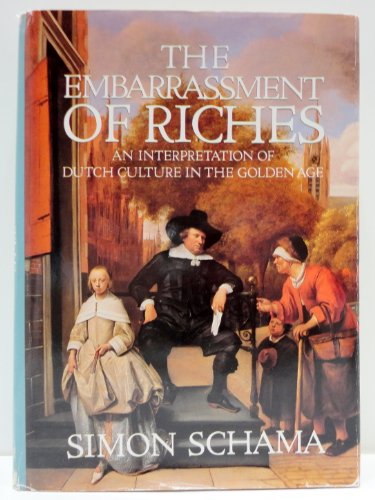
Describes the cultural and social milieu of seventeenth-century Holland, where, despite great material wealth and general prosperity, an "anxiety of superabundance" permeated all aspects of the culture
Reviews
Despite Calvinist sermons on thrift, the Dutch upper and middle classes flaunted their wealth in the consumer paradise that was 17th century Hollandbut they lived uneasily with material riches. How the Dutch reconciled piety with their commitment to profits is just one of the conundrums explored in this cultural history by a Harvard professor. Netherlandic seafarers built a world empire in just two generations; the Dutch nation's precocious rise to power as presented here helps to explain their defensive patriotism, the mania of housewives for cleanliness and the ideal of the family as a miniature commonwealth. The Dutch urge to classify was evident in everything from their tulip classification system to paintings of children's games. Delving into customs, beliefs, popular art and quirks of behavior, Schama has fashioned a tour de force, a profound, unconventional and rewarding portrait of a people. Photos not seen by PW. Reader's Subscription Book Club alternate.
Copyright 1987 Reed Business Information, Inc.
When and how did the Dutch become Dutch? At the start of the 16th century, they possessed neither common political heritage, religion, nor tongue. "The most extraordinary invention of this country . . . was its own culture," says Schama. He catalogs the elements of the Dutchman's identity. His gluttony, obsession with cleanliness, pursuit of wealth, love of family and children, and enshrinement of the home all point to dichotomies and ambivalences that shaped Dutch character. The Dutch sought a way to safeguard themselves from a fall from grace while permitting them to enjoy the bounteous benefits of the material world. The Scriptures set the framework for this discourse, humanist teachings shaped their answers. A satisfying addition to the growing literature on sensibilities in the early modern era. Recommended. David Keymer, Dean of Students, SUNY Coll. of Technology, Utica
Copyright 1987 Reed Business Information, Inc.
"About this title" may belong to another edition of this title.