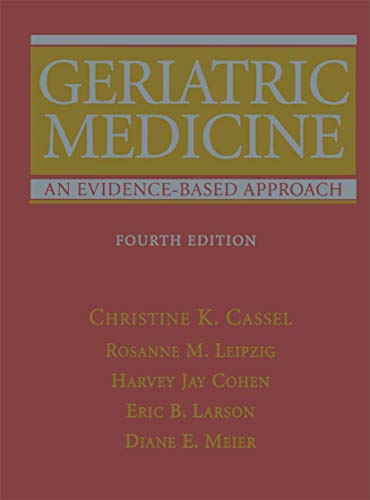
Since the publication of the third edition of Geriatric Medicine,extraordinary advances have occurred in the science of aging and the potential for biomedical research to give us answers to many, if not most, of the age-related disorders that threaten the quality of life in older years. At the most basic level, the successful mapping of the human genome was declared complete in the fall of 2000. Understanding the map of the human genome is as important as understanding the map of genomes of important laboratory species, ranging from the microscopic worms and fruit?ies used in most classic genetic studies to rodents such as laboratory mice, and eventually to primates, on which much of the research on the aging human brain is done. The genetic maps of all of these species,including our own,does not answer clinical questions,but it does open the door to dramatic, rapid, and ef?cient answers to questions about the genetic polymorphisms related to diseases in humans. The telomerase story also unfolded since the third edition. Telomerase is an enzyme responsible for maintaining the telomeres―the redundant DNA portions at the end of chromosomes―whose shortening seems to be linked directly to cell senescence,ap- tosis,and the control over cell death,which,at the level of the individual cell,seems to be linked to the decline of organ function and eventually aging and death within the org- ism.
Who will care for us when we are old? The overwhelming majority of older adults will continue to be served by generalist physicians who will be responsible for recognizing and managing geriatric health problems in various settings in collaboration with many other health care professionals and sometimes with family care givers. What does the field of geriatrics have to offer these front-line professionals? Geriatrics is generally built on a foundation of excellent adult medicine, which is then expanded to foster adaptation to the physiology of aging; multiple, interacting chronic diseases; and functional disabilities. Geriatrics can offer an organized approach to complex problems of aging such as delirium, weight loss, and falls, an ability to interact with a broad range of other health care providers, and the capacity to adapt care to the goals of the patient. Cassel and colleagues have produced a new resource for providers of care to older adults that demonstrates the value of geriatrics.
The third edition of Geriatric Medicine covers basic gerontologic concepts, contexts of care, clinical approaches to the geriatric patient, medical disorders, and ethics and health policy. The values and perspectives of geriatrics are revealed in the consistent effort throughout the chapters to address how the site of care, coexisting conditions, and the health status of the patient influence management. The book offers an approach to serving as a knowledgeable advocate for older adults, ranging from the vigorous 80-year-old in whom prevention and assertive intervention may be appropriate to the elderly person who is dying and needs a provider with extensive skills in comfort care and communication with patients. These themes are exemplified in the chapter on infectious diseases, where host and environmental factors are consistently woven into a pragmatic approach to care. Other perspectives unique to geriatrics are demonstrated in chapters on the determination of decision-making capacity, screening for cancer, nutrition, and pain management. There is a valuable emphasis on ethical issues faced by those who provide care to older adults.
It is never feasible to include all possible topics, given the constraints of cost and space. Nevertheless, there are some surprising omissions from this book. There is little emphasis on the experiences and needs of family care givers or on communication between doctor and patient. Despite the strong focus on chronic disease, there is no consistent approach to "self-management," the modern philosophy of helping the person with a chronic disease become a knowledgeable manager of the disease. There is only minimal attention to the management of behavioral problems in demented persons. Too many chapters tend to be long on text and short on tables and figures, making the format somewhat forbidding at times.
Geriatrics is and will continue to be a predominant part of the daily practice of most generalists. This book is not likely to be useful as a quick reference source, but I recommend it for thoughtful reading about rational and compassionate management of geriatric problems.
Reviewed by Stephanie Studenski, M.D.
Copyright © 1998 Massachusetts Medical Society. All rights reserved. The New England Journal of Medicine is a registered trademark of the MMS.