Synopsis
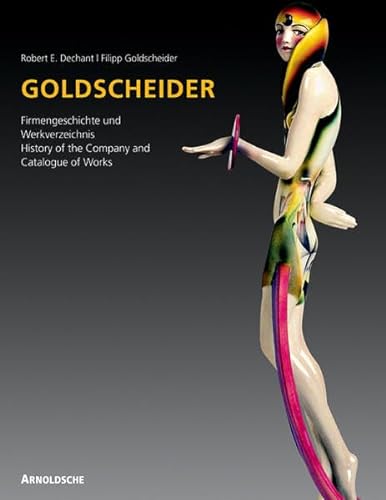
Goldscheider, a Viennese factory (est. 1885), soon sped to the top of European ceramics makers. Figures and vessels of faience and terracotta as well as bronze and alabaster, all of top quality in respect of form and workmanship, were created in the Historicist, Jugendstil and Art Deco period styles. A crucial factor to their success was the collaboration with distinguished sculptors and ceramicists of the day, which included Demetre Chiparus, Walter Bosse and Josef Lorenzl, all of whom were responsible for a great many of the Goldscheider designs. This success story was quashed by the National Socialist aryanization in 1938: the Goldscheider family was forced to emigrate, the firm was sold and the new proprietor was unable to sustain the high aesthetic quality standard. The Goldscheider brothers did manage to open new ceramics businesses while in exile in the US and England, and Walter Goldscheider even returned to Vienna after the Second World War to resume his post as managing director of his old firm; however, in the 1950s the great ceramics tradition of this venerable Viennese business ended when it was sold to the German Carstens company. Over 600 color photographs show Goldscheider examples, demonstrating why this firm earned such a highly regarded reputation in the world of ceramics. Text in English and German.
From the Publisher
Figurines made by the Viennese Manufactory Friedrich Goldscheider, which were ideally suited to the tastes of a broader public, were much sought-after worldwide in the 1920s. Bringing glamour and a touch of eroticism into homes, they came to epitomise lifestyle accessories that awakened longings. Today Goldscheider ceramics fetch high prices on a buoyant collectors' market. Goldscheider was one of the most successful businesses in the history of European ceramics. From the outset, the "Porcelain Manufactory and Majolica Factory" aimed at manufacturing top quality mass-produced wares designed by highly skilled and well trained young artists. A vast product range - figurines, busts, animal sculpture, masks, vessels, lamps, etc. - met the expectations of a diverse clientele. Over seventy years more than ten thousand models in faience and terracotta as well as bronze and alabaster were in production. Figurines and vessels of the highest aesthetic quality and consummate workmanship were made in the Historicizing, Jugendstil/Art Nouveau and Art Déco period styles. "Aryanised" in 1938, the Goldscheider company was managed during the war years by Josef Schuster, who ensured that the new models corresponded to the prevailing National Socialist aesthetic. The range was accordingly enlarged to include peasant figurines notable for coarseness of form. The nude figures of that era, characterised by chaste facial expressions and modest hairstyles, stayed in fashion on into the 1950s. The comprehensive history of the Goldscheider Factory just off the presses at ARNOLDSCHE is a knowledgeable and very readable account of the international development of the firm. The meticulously drawn up annotated catalogue of works represents the first description in print of over 4,000 models; it is supplemented by a comprehensive index of artists (504 names) and a table of marks (163 marks are reproduced) containing many items of information previously unknown to the public. More than 2,200 objects are reproduced from the collections of the Wien Museum, the Österreichisches Museum für angewandte Kunst / Gegenwartskunst and important private collections worldwide. A real treasure trove for collectors and lovers of ceramics - and the standard work on the subject.
"About this title" may belong to another edition of this title.