Synopsis
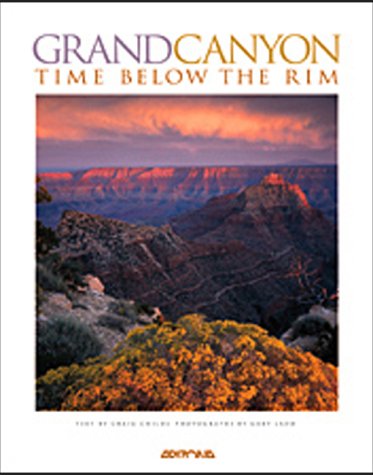
A combination of photographs and text create a unique look at the Grand Canyon's natural vegetation, trails, and wildlife
Reviews
This pair of books presents the literary equivalent of a contrast between an old master's painting and Pop Art. If you prefer your Grand Canyon serene and spectacular, then Arizona Highways's production is the only choice. With a lyrical text by Childs and Ladd's staggeringly beautiful photographs, this coffee-table volume lends itself to leisurely perusal. Childs, a nature writer whose work has appeared in various magazines (Arizona Highways, Audubon, Sierra, Backpacker) holds a Master's degree in desert studies and spends nine months each year exploring and researching the wild country of Arizona and Utah. Ladd is a frequent contributor to Arizona Highways and has wandered and photographed the Grand Canyon since 1964. Their joint goal is "to describe what cannot be revealed through photographs...[and to photograph] what cannot be revealed in words." Neumann's (communications, Univ. of South Florida) book is the result of ten years of fascination with the canyon's multimillions of visitors. Although its introduction reads like a typical academic paper ("This book examines the Grand Canyon as an emergent and residual site for the production of the zones of a social imaginary that reflect and contain the geographical and temporal dislocations of contemporary life"), the book takes an upbeat turn as he interviews tourists, park rangers, area employees, and Native Americans. Neumann tosses in a modicum of history, and his black-and-white photos are interesting in that they document people rather than panoramas. Each book has its merits and each serves a different purpose and audience. Both are recommended for academic and larger public libraries.AJanet N. Ross, Washoe Cty. Lib. Sys., Sparks, NV
Copyright 1999 Reed Business Information, Inc.
"About this title" may belong to another edition of this title.