
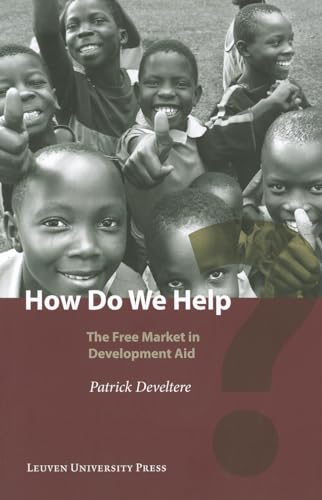
How Do We Help? (Paperback)
Patrick Develtere
ISBN 10: 9058679020 ISBN 13: 9789058679024
Published by Leuven University Press, Leuven, 2012
New
Paperback
From
Grand Eagle Retail, Bensenville, IL, U.S.A.
Seller rating 5 out of 5 stars

AbeBooks Seller since October 12, 2005
This specific item is no longer available.
About this Item
Description:
Paperback. Over the past 50 years the West has invested over 3000 billion euro in development aid and already tackled many problems. Now more and more countries and organizations present themselves on the development aid scene, including China, India, and foundations such as the Bill and Melinda Gates Foundation. Companies, trade unions, cooperatives, schools and towns set up their own projects in remote African regions. But can each and everybody become a development worker? Who decides what is acceptable and what is not? What is the role of the developing countries themselves? Who can tell what is good aid and what is bad aid? Is it a free market allowing everybody to do what he wants? A market without rules, with a lot of competition and little cooperation? This book draws up the balance sheet of 50 years of development aid and provides an overview of all relevant players, of opportunities and obstacles, of successes and failures. It details numerous examples and information on development projects from all over the world. Readers may be tempted to get involved in development aid, but they will also be more cautious than before. This book draws up the balance sheet of 50 years of development aid and provides an overview of all relevant players, of opportunities and obstacles, of successes and failures. Shipping may be from multiple locations in the US or from the UK, depending on stock availability. Seller Inventory # 9789058679024
Synopsis:
Over the past 50 years the West has invested over 3000 billion euro in development aid and already tackled many problems. Now more and more countries and organizations present themselves on the development aid scene, including China, India, and foundations such as the Bill and Melinda Gates Foundation. Companies, trade unions, cooperatives, schools and towns set up their own projects in remote African regions.
But can each and everybody become a development worker? Who decides what is acceptable and what is not? What is the role of the developing countries themselves? Who can tell what is good aid and what is bad aid? Is it a free market allowing everybody to do what he wants? A market without rules, with a lot of competition and little cooperation?
This book draws up the balance sheet of 50 years of development aid and provides an overview of all relevant players, of opportunities and obstacles, of successes and failures. It details numerous examples and information on development projects from all over the world. Readers may be tempted to get involved in development aid, but they will also be more cautious than before.
About the Author:
Huib Huyse is at the Research Institute for Work and Society at the University of Leuven.
"About this title" may belong to another edition of this title.
Bibliographic Details
Title: How Do We Help? (Paperback)
Publisher: Leuven University Press, Leuven
Publication Date: 2012
Binding: Paperback
Condition: new