Synopsis
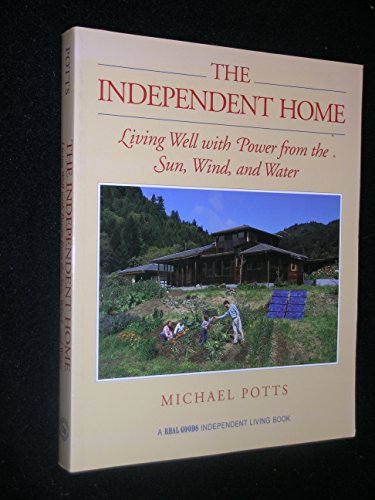
Looks at people who are self-sufficient in providing their own heat, electricity, and hot water, and examines how the home-made systems work
Reviews
Potts, who has lived the life he writes about, here explores the promise held out by independent living, made possible by new solar technologies and other alternative methods, for anyone--"urban refugee" or not--who would like to cut the stranglehold of expensive and environmentally hazardous utilities systems on their lives. "In the sweep of history," he writes, "the twentieth-century American house will probably be regarded as a temporary aberration, an embarrassment to enlightened builders and planners" for its "resource-gobbling conveniences," unconscionable "consumerism" and arrogant disregard of nature. This is probably wishful thinking, and all readers will not cotton to the born-againism--and, at times, the extremism--of the contemporary pioneers Potts visits and profiles in pursuit of his creed. Still, the idea of improving life without harm to earth has got to be attractive, and he spares few details in the attempt to persuade. For anyone with thoughts of making a big change, his book will provide a great deal of information, anecdotal charm and--not least--courage.
Copyright 1993 Reed Business Information, Inc.
There are currently over 100,000 American homes operating wholly or partially "off-the-grid" of public utilities via the use of solar, wind, and water-generated energy sources. Potts has collected information from these energy "pioneers," who live in homes located from Vermont to Hawaii. While somewhat anecdotal and rambling, his book gives a good feel for what this lifestyle entails, from careful home design to system maintenance and an increased awareness of energy consumption. This is not a "how-to" manual but rather a useful introduction to the many varieties of energy independence. An excellent annotated bibliography and resource list provide the next step in designing a plan for personal energy independence.
- Cheryl Childress, Collegiate Sch., Richmond, Va.
Copyright 1993 Reed Business Information, Inc.
An instructive guide to living without the electric and gas companies, by Potts and interviewees who have broken from the "power grid." The homes of people interviewed are far from primitive, containing all the conveniences of modern life, though there is the occasional cold shower. Potts advocates a return not to nature, but to a more independent time, and that's accomplished here mostly by college-educated people who like doing things for themselves. Their experiences are as instructive from a social point of view (a sort of enviro-ethic meets Yankee pragmatism) as for the many possible ways of converting your house to energy independence. Potts also suggests home improvements for energy savings in existing homes, as well as explanations of how our appliances, heating, and air-conditioning systems do--and don't--work from an energy point of view. A commonsense approach to energy self-reliance. Brian McCombie
"About this title" may belong to another edition of this title.