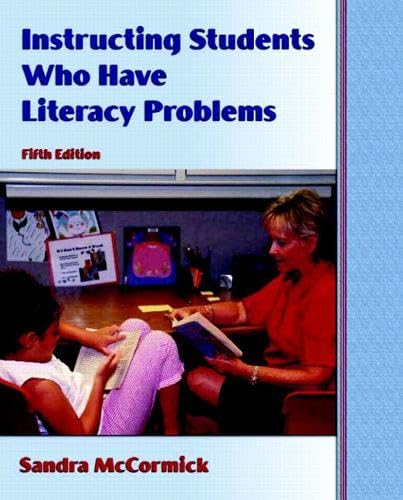
Instructing Students Who Have Literacy Problems has long been valued because it covers both assessment and instructional strategies in a sound, research-based format. It reflects a balanced view of literacy instruction, comprehensively examining both word study and comprehension, and is the definitive research-based book in the field of assessment and diagnosis. Four complete chapters on literacy assessment detail timely information about formal and informal assessment procedures and make it an invaluable resource. This edition includes new English-language learner sections, more on No Child Left Behind and Reading First, information regarding special needs students, a segment on literacy coaches, and new f luency research and strategies sections.
For courses in remedial/clinical reading instruction, this text offers comprehensive treatment based upon an interactive model of the reading process. Coverage offers a smooth, cohesive blend of theory, research, and practical suggestions that carefully balances information on diagnosis and remediation, subskill and holistic intervention approaches, and current findings related to how children and adults achieve literacy. Practical strategies suggested in the text will work effective with elementary and secondary students, and with students of all ages from a variety of language backgrounds, within the framework of remedial instruction.