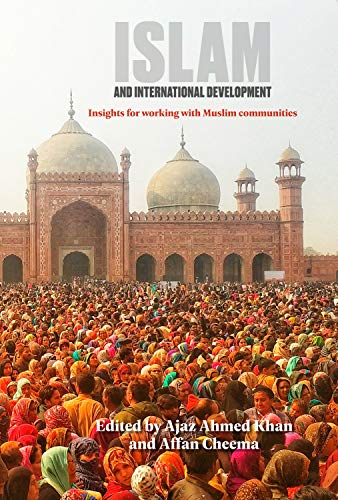
What can we learn from Islamic teachings that will take us closer to addressing today’s most pressing development challenges, including forced migration and refugees, safeguarding and child welfare, gender-based violence, climate change, and peacebuilding and conflict resolution? How can the mechanisms of charitable giving in Islam, such as zakat, sadaqah and waqf be used to fund development programmes? Islam and International Development is the culmination of extensive grass-roots experience of working among Muslim communities in developing countries, coupled with the commentary of academics and researchers. It includes analysis of successful projects that have respected and incorporated Islamic teachings into their design and delivery, so that development professionals and Muslim communities can work together to effect meaningful and sustainable change. Ajaz Ahmed Khan is a Senior Microfinance Adviser at CARE International Affan Cheema is Head of Programme Quality for Islamic Relief Worldwide
Ajaz Ahmed Khan is Senior Microfinance Adviser with CARE International. He holds a PhD in Development Economics and has extensive experience of working in a diverse range of countries in Latin America, Eastern Europe, Asia and Africa. He has written widely on microfinance, Islamic microfinance in particular, as well as more generally on faith and development.
Affan Cheema is the Head of Programme Quality at Islamic Relief Worldwide. He holds a MSc in Development Planning and has worked for over two decades in the humanitarian and development sector travelling extensively in Africa, Asia and the Middle East. This experience has given him a valuable insight into the poverty related needs, demands and rights of communities, especially those of a Muslim faith.