Synopsis
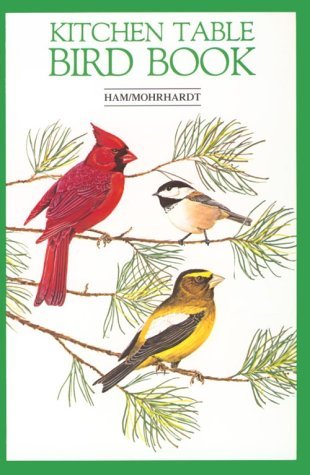
The birds depicted in this book are arranged according to size, moving from the smallest birds in the front of the book to the largest at the back. Size here is determined by body length alone, and you'll see that measurement, in inches printed in the upper right corner on each of the plates. We believe this is to provide the simplest means of finding in this book any unknown bird that appears before you. Simply guess the bird's body length, then turn to that portion of the book showing birds of about that length. Once there, flipping pages back and forth in those approximate lengths should locate the bird for you readily. If you know the name of the bird, you can use the alphabetized index to species printed inside the back cover to locate the plate and information. This Kitchen Table Bird Book grew to publication over a period of three years, and changed form in that time gradually to fit what has seemed its most practical purpose - use by residents of our Great Lakes region who spend most of their bird-watching time at home, inside, looking out windows at feeding, bathing birds. The 77 species discussed and portrayed here represent the most common small birds that come to feeders, or which might land on marsh edge or lawn or woodlands of the type often seen from kitchen windows of this region. The companion Coat Pocket Bird Book contains another 80 species, most of which will be seen afield, but some of which may also come to your feeder. The placement of some species in one or the other of these books was in some cases arbitrarily decided, though our intention all along has been to provide one book for home use, one for field use. These two books were designed primarily for the casual, beginning, and intermediate birdwatcher, though we have been pleased by the positive reception given to the books by birding veterans with hundreds of species included on their ""life lists."" In fact, we believe any birdwatcher, of whatever experience, will find these books valuable and useful reference works. Together, the two books do not include all the birds that visit, nest, or live year-round in this region, but the 157 species collectively represent, we estimate, 90-plus percent of all the millions of birds that will be seen here. Consequently, if you eventually do see all the species depicted in these books, you will be a birdwatching professional.
About the Author
Jon Ham, the author of this book, taught school in the Grand Rapids, Michigan area for 38 years before retiring a few years back to watch, enjoy, and write about his favorite subject - backyard birds. Ham taught all school levels, from seventh grade through college, and admits that throughout his tenure he favored the subjects of nature, nature study, and natural history. His last 18 years were spent teaching zoology and ornithology at Grand Rapids Junior college. ""You might think, after teaching the subject of birds for so long, "" he writes, ""that I'd want to get away from birding, but in fact the exact opposite has happened. My wife and I have our home located in a dense patch of woods near the village of Cascade, and it's an ideal location to watch the comings and goings of a great many bird species. What had been my profession in everyday life has become our central retirement interest."" Ham is a registered bird-bander, and has held in his hand most of the birds he describes in this book. Most, in fact, have come to his feeders at one time or another, his backyard being a lively aviary at all seasons of the year. ""Just put out seeds, suet, and water in an environment safe from cats and dogs and you can be sure the birds will arrive. And with them comes the beginning of a lifelong interest."" David P. Mohrhardt began drawing wildlife at an early age, and currently works full-time producing commission paintings, canvases for prints, and illustrations for publications, including the Kitchen Table Bird Book and its companion, the Coat Pocket Bird Book. Mohrhardt holds a degree in biology from Michigan State University, but admits he studied that subject mainly because of its help in his wildlife painting. He has worked as a staff member and exhibits preparator at a number of nature centers, museums, and universities. He has shown his work in many one-man and group shows, and holds a string of awards and honors for his paintings. He believes that wildlife painting is entering a new and freer expression, that the field holds great promise to blossom in the years ahead as an important and unique American art form. He and his wife Anna live in Berrien Springs, Michigan.
"About this title" may belong to another edition of this title.