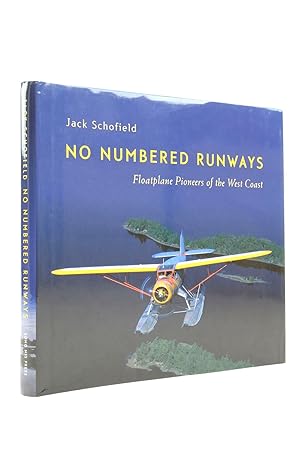
Their aircraft brought the miners, the loggers, and the fishermen, prospectors, preachers, prostitutes, misfits, and visionaries in the myriad of inlets and waterways of Canada's unforgiving West Coast. These were the floatplane pilot entrepreneurs who created a succession of coastal airlines dating from the 1920s to the present day.
While many of these early seaplane operators survived the onerous flights, many would also learn that cockpit skills did not guarantee business success. The aircraft of one man's venture was often seen repainted in the colour of another man's dream.
Jack Schofield's No Numbered Runways recounts the exciting stories of early and latter-day pilots whose floatplanes tracked the British Columbia coast. Often without benefit of charts, weather reports, radio, or navigational aids and, indeed, without numbered runways, these ingenious aviators shaped the history of commercial flying on Canada's West Coast.
Jack Schofield is a retired "coast dog"--a coastal seaplane pilot--who hung up his headphones thirteen years ago. He reinvented himself as the editor/publisher of the regional aviation trade magazine B.C. Aviator, which is now a national publication that appears on the newsstands as Aviator. The stories he has told in his publications have always been about the people in the industry, the aviators--not the wings, sheet metal or nuts and bolts, but those slightly crazed people who just have to fly or repair airplanes.
Schofield has reinvented himself yet again and has retired from the magazine field to devote his time to writing. No Numbered Runways is his second book; his first, Flights of a Coast Dog, was awarded a British Columbia Millennium Book Award and is now in its second printing.
Jack Schofield lives in Victoria, seemingly under the flight path of every passing Beaver and Otter aircraft. The familiar sounds of these planes keep him recollecting past adventures, which may very well lead to future books.