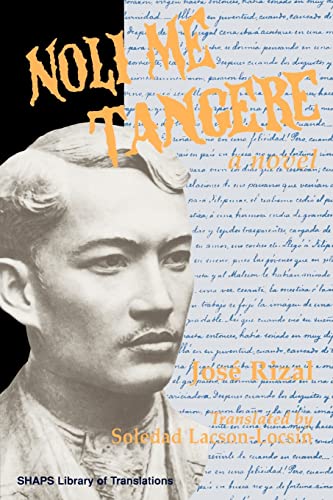
Noli Me Tangere is Latin for "touch me not." In this modern classic of Filipino literature, José Rizal exposes "matters . . . so delicate that they cannot be touched by anybody," unfolding an epic history of the Philippines that has made it that country's most influential political novel in the nineteenth and twentieth centuries. José Rizal, national hero of the Philippines, completed Noli Me Tangere in Spanish in 1887 while he was studying in Europe. Rizal continued to write, completing a second novel and many other poems and essays, until he was executed by firing squad in 1896. Since then, Noli Me Tangere has appeared in French, Chinese, German and Philippine languages.
Two other English translations have made Noli Me Tangere accessible, but Lacson-Locsin’s new translation offered here is the first to work from facsimile editions of the manuscripts and to restore significant sections of the original text. The result is the most authoritative and faithful English translation to date.
Noli Me Tangere is Latin for "touch me not", an allusion to the Gospel of St. John where Jesus says to Mary Magdelene: "Touch me not, for I am not yet ascended to my Father". In this modern classic of Filipino literature, Jose P. Rizal exposes "matters...so delicate that they cannot be touched by anybody", unfolding an epic history of the Philippines that has made it the most influential political novel in that country in the nineteenth and twentieth centuries. The popularity of this novel is grounded in its reflection of the turbulent times in which it was written. Its influence on Filipino political thinking, as well as on contemporary fiction, drama, opera, dance, and film, has been and continues to be enormous. The vivid characters and the harsh situations depicted still ring true today.