Synopsis
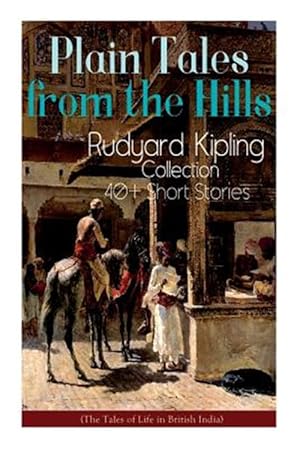
In "Plain Tales from the Hills," Rudyard Kipling masterfully crafts a collection of over forty short stories that illuminate life in British India during the late 19th century. His literary style is characterized by vivid imagery, rich detail, and masterful storytelling that often blends the colloquial with the profound, capturing the complexities of colonial life. These tales, imbued with a sense of adventure and cultural nuance, provide readers with a glimpse into the lives of British officers, locals, and the often ambivalent relationships that intertwined them. Kipling's astute observations and dry humor deftly critique the norms of imperialism while shedding light on the broader human experience of his time. Rudyard Kipling, born in India in 1865, drew from his own experiences in the region to craft these stories. His upbringing in a culturally diverse environment, coupled with his journalistic pursuits, equipped him with a unique lens to portray the nuances of colonialism. Kipling’s deep understanding of both British and Indian perspectives is reflected in his writing, making his collection a crucial commentary on the era's sociopolitical landscape. I highly recommend "Plain Tales from the Hills" to scholars, students, and general readers alike. It serves not only as an entertaining read but also as a significant literary work that opens up discussions on colonialism, identity, and the shared stories that transcend cultural boundaries. Kipling's engaging narrative style and insightful observations ensure that these tales continue to resonate with contemporary audiences.
About the Author
Born in Bombay in 1865, Rudyard Kipling is chiefly known for his short stories and poems about life in nineteenth-century India. He was the author of Kim, The Jungle Book, The Just So Stories, short stories like 'The Man Who Would Be King' and such poems as 'If' and 'Mandalay'. Winner of the Nobel Prize for Literature in 1907, he died in 1936.
"About this title" may belong to another edition of this title.