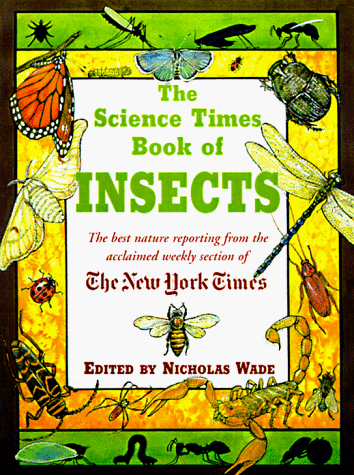
A collection of forty articles about insects and arachnids, covering such topics as their sex lives, the violence of courtship, waste recycling by dung beetles, and how mites decompose soil
Insects have inhabited the earth for three hundred million years. Over the course of evolution, they have radiated into tens of millions of species and adapted to every extremity of the planet, from the sands of the Sahara to the frozen wasteland of Antarctica.The Science Times Book of Insects gathers forty-eight articles, by award-winning New York Times journalists, about the most tenacious of all living things - insects and their cousins, arachnids: Witness the 2,500-mile migration of the monarch butterfly, which somehow transfers the map of home to offspring, who complete the journey homeward that their ancestors began. And the sex lives of insects are an unending source of mystery. Courtship among these creatures can be a violent affair, especially for the male redback spider: He slowly somersaults while mating into a position that makes it easier for the female to consume him.Although pesky mosquitoes and cockroaches have given invertebrates a bad name, the world would be an inhospitable place without them. Industrious manure-craving dung beetles recycle waste; mites help decompose the soil, enabling plants to grow; and searcher beetles prey on harmful crop-destroying caterpillars.For more than twenty years, the Science Times section of The Times has brought readers fascinating stories from the natural world, making the latest scientific discoveries accessible to the layperson. The Science Times Book of Insects will enthrall naturalists, amateur entomologists, and nature lovers everywhere. (71/4 X 91/2, 260 pages, illustrations)