Synopsis
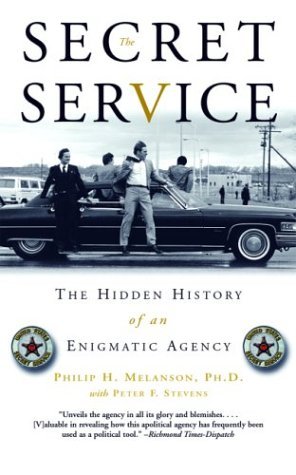
Explosive and revealing, this history of a highly visible yet traditionally tight-lipped federal agency by Philip Melanson, acclaimed scholar of political violence and governmental secrecy, explores the long-hidden workings of the Secret Service since its inception in 1865. Rigorous research, photographs, and extensive interviews with former White House staffers, retired agents, Service training dropouts, and the first female agent on presidential detail uncover little-known, frequently astonishing facts about the Service s role in traumatic national events of the past century, notably among them the assassination of JFK and the shooting of President Reagan. Included, too, are revelations about presidential demands on the agency; alcoholism, divorce, and burnout among agents; the Service s inexplicable failure to develop profiles of potential assassins; and its institutionalization of the gender gap. Assailing the public image of the Secret Service as a highly professional apolitical organization, Melanson examines the often-detrimental influence that politics privately exerts on the agency, epitomized by Kenneth Starr s efforts to use agents testimony against President Clinton in the impeachment hearings. Nor does Melanson overlook the profound new challenge facing the Secret Service, now a branch of the Homeland Security Department, in a post-9/11 world where brazen new assassination methods and terrorist plots proliferate.
From Publishers Weekly
This comprehensive, sometimes critical and often dry history explains how the Secret Service grew out of the Treasury Department in 1865, with the original mission of protecting American currency against counterfeiters. Melanson, an expert on political violence and government secrecy, and Stevens (The Voyage of the Catalpa) show how, late in the century, the Service gradually (and initially without congressional authorization) expanded its mission into presidential protection. Opponents of the expansion thought assigning a guard to the president would give him the trappings of monarchy, making him less accessible to the people. The most compelling chapter examines the failure that continues to haunt the agency: the 1963 assassination of President Kennedy. The authors analyze what went wrong in Dallas: Kennedy's limo driver reacted too slowly to the first bullet, failing to take evasive driving action so as to avoid the second, fatal shot. Moreover, according to the authors, Kennedy's death was a failure of intelligence-sharing between the Secret Service and the FBI. Following the assassination, the authors argue, the agency "began a pattern of lies about its fatal missteps in Dallas." All aspects of the agency's work are covered extensively: recruiting, training, intelligence gathering, the often-tense relationship between the agency and the people it tries to protect. President Johnson, in particular, rebelled against Secret Service restrictions, once literally pissing on an agent. This is a worthwhile book for assassination buffs and those with an interest in the inner workings of government.
Copyright 2002 Reed Business Information, Inc.
"About this title" may belong to another edition of this title.