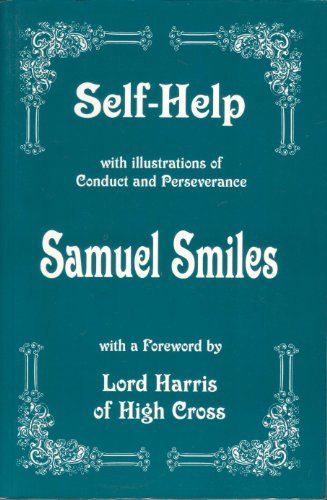
Self-Help was one of the great success stories of Victorian publishing. It sold twenty thousand copies in the year of its publication and nearly a quarter of a million by the end of the century. It was translated into many languages, including Japanese.
In the context of the current debate about the de-moralising effects of the welfare state, Self-Help seems as relevant as the day it was published. After well-meaning politicians from all three parties have tested state welfare to destruction, Smiles offers a surer basis for a more enduring consensus.
Who better to take inspirational advice from than a man named Smiles? But unlike the feel-good cheerleading that the term "self-help" says to us today, to Smiles it might well have been synonymous with "hard work." For this 1859 volume is dedicated to "stimulat[ing] youths to apply themselves diligently to right pursuits,--sparing neither labour, pains, nor self-denial in prosecuting them--and to rely upon their own efforts in life."
Though the author himself admits his lessons are "old-fashioned but wholesome," he nevertheless delivers stern but well-intentioned lectures on such commonsense concepts as the importance of learning from failure, how work is the best teacher, and the value of thrift, gentility, and honesty, all peppered with examples of such noble industry from the lives of writers, scientists, artists, inventors, educators, philanthropists, missionaries, and--gulp!--martyrs. It's as if all paternal wisdom had been reduced to a single book.