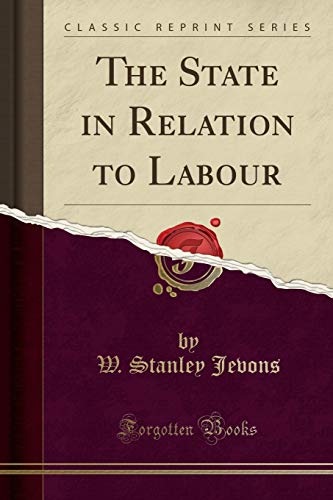
Explores how law, economy, and society shape labor and welfare—and where government should intervene.
This concise examination asks when state action improves or harms the common good in work and industry. It weighs historical restrictions, evolving regulations, and the practical limits of enforcement, all while emphasizing careful, case-by-case judgment.
The book surveys topics from early apprenticeship laws to modern factory acts, and it weighs the roles of employer and worker, trade unions, and public policy. It argues for cautious progress that respects freedom while addressing real social harms, with attention to practical remedies rather than sweeping prescriptions.
- The balance between industry freedom and protective regulation
- The history and impact of apprenticeship and youth labor laws
- The rise of trade societies, arbitration, and conciliation as dispute tools
- Guiding principles for evaluating social reforms without overreach
Ideal for readers interested in how law and economics meet in the realities of labor and reform.
W. Stanley Jevons (1835-1882) was one of the first great virtuoso scholars in economics. He was author of Theory of Political Economy; The Coal Question; Money and the Mechanism of Exchange; Pure Logic, or the Logic of Quality apart from Quantity; The Principles of Science: A Treatise on Logic and Scientific Method; and Methods of Social Reform and Other Papers.
Warren J. Samuels (1933-2011) was professor emeritus of economics at Michigan State University and is known for his contributions in the areas of the history of economic thought and the methodology of economics. In addition to his numerous professional articles, his books include Essays on the History of Economics, The Economy as a Process of Valuation, and Economic Thought and Discourse in the Twentieth Century.