Synopsis
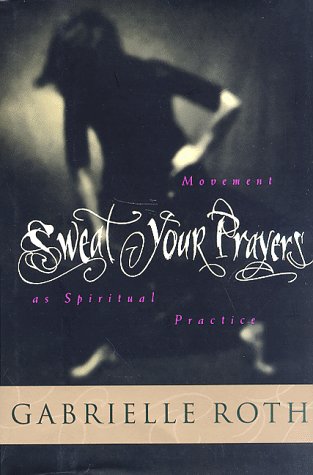
A widely publicized practitioner of movement and ritual theater shows initiates how to use five rhythmic, ritualistic motion routines to release the soul's energies, clear the mind, and help one realize the potential of the self.
Reviews
"The soul can only be present when body and spirit are one," exclaims Roth (Maps to Ecstasy) in this amiably free-flowing spiritual autobiography. She goes on to explain how dance can be the path to soul or true self. Roth discovered dance as a means of self-initiation and integration through a career that began with a stint as a massage therapist at the wellspring of the human potential movement, Esalen Institute. There, Fritz Perls invited Roth to teach movement to his therapy groups. Prodding her physically frozen students to sense their bodies and breathe, Roth quickly discovered that "two hours of moving were as powerful as two years on the couch." She came to isolate five rhythms related to five archetypes or states of being. Roth claims that even terminally inhibited people can learn to enter these rhythms and sense how it feels to inhabit "mother, mistress, madonna, father, son and holy spirit." The three feminine archetypes follow a flowing rhythm, according to Roth, while the energy of the masculine archetypes corresponds to a staccato rhythm. Roth discovered that when the masculine and feminine fuse, a rhythm of fertile chaos results, as in acts of artistic creation or love. The resolution of chaos is the lightness and liberation of a lyrical rhythm, while stillness is the most profound rhythm of all. Roth's entertaining, appealingly conversational tale, full of breezy asides about Manhattan restaurants and scenes, will tantalize readers into believing that dancing is indeed a joyful way to "sweat" prayers, to seek our innermost truths as they are lived, in movement. 50,000 first printing; One Spirit Book Club alternate; author tour.
Copyright 1998 Reed Business Information, Inc.
Roth may cause a major population shift, as readers throw down her book, sell all their worldly goods, and decamp to California to study with her. Why? Simple: she promises ecstasy from nothing more than dancing. Known in New Age circles for her polyrhythmic musical tapes, Roth here sets forth her philosophy of the connection between body and spirit, which for her occurs through dancing. Her prose dances, too. It is energetic, moving, and fluid as she weaves her autobiography into chapters that describe the evolution of her "practice," as she calls the expressive and original kind of dancing she teaches and encourages. There is no particular form or step to her practice of dancing, which she divides into five "archetypes" that are expressed by tempo and action: flowing, staccato, chaos, lyrical, and stillness. There aren't many books on the subject of free-form trance-dancing; this one is surely the best. Patricia Monaghan
Roth is not for everyone?not for the faint of heart, the emotionally "out of touch," or the movement phobic. But those who enjoyed her Maps to Ecstasy (Nataraj, 1993) and those who are interested in spiritual growth and the use of movement in doing so will be intrigued. Roth organizes her book around what she calls five universal rhythms?flowing, staccato, chaos, lyrical, and stillness?which she calls "teachers, gateways to the soul." She includes exercises for each rhythm, meant to further the state we find ourselves in while dancing. Grounded on the belief that "it's possible to maintain a commitment to the sacred part of yourself and still be part of the real world," this autobiographical self-help book will be especially enticing to those involved in movement awareness, body therapies, and dance. Roth's messages are meant for everyone, and her book is well recommended for all public libraries, especially those with a "New Age" clientele.?Barbara O'Hara, Free Lib. of Philadelphia
Copyright 1998 Reed Business Information, Inc.
"About this title" may belong to another edition of this title.