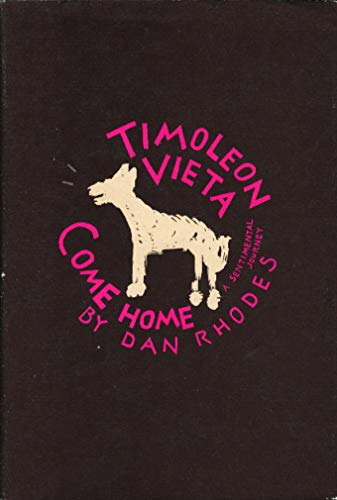
Cockroft, a faded composer and socialite, lives in self-imposed exile and fantasies about true love and extravagant suicides. Rattling about his dilapidated farmhouse in the Italian countryside, subsisting on a trickle of royalties from past successes, his only constant source of company is the ever loyal Timoleon Vieta - a mongrel with the most beautiful eyes.
However, when a handsome but surly individual - known only as the Bosnian - arrives unexpectedly, the strong bond between Cockroft and Timoleon Vieta is put under strain.
Carthusians Cockroft, a washed-up composer of British TV jingles, lives in a disintegrating farmhouse in Umbria, his solitude relieved only by a faithful dog, Timoleon Vieta, and a procession of exceptionally fickle boyfriends. Petty and stupid, full of drink and self-pity, Cockroft is a wonderful creation. (He indulges in ludicrously aestheticized fantasies of suicide, such as throwing himself from the top of the Colosseum and "quietly and nakedly falling at the dead of night.") Rhodes never quite succeeds in making this character into a novel. A young hunk, obviously a nasty piece of work, shows up and forces Cockroft to abandon the dog in Rome. The second half of the book, in ironic homage to "Lassie Come-Home," narrates the dog's return by sketching the life stories of those he encounters. Rhodes demonstrates his ability to spin an engaging tale time and again, but to less and less effect with each iteration.
Copyright © 2005
The New Yorker