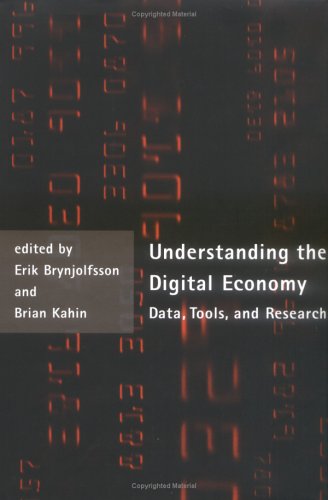
The rapid growth of electronic commerce, along with changes in information,computing, and communications, is having a profound effect on the United States economy. PresidentClinton recently directed the National Economic Council, in consultation with executive branchagencies, to analyze the economic implications of the Internet and electronic commerce domesticallyand internationally, and to consider new types of data collection and research that could beundertaken by public and private organizations.This book contains work presented at a conferenceheld by executive branch agencies in May 1999 at the Department of Commerce. The goals of theconference were to assess current research on the digital economy, to engage the private sector indeveloping the research that informs investment and policy decisions, and to promote betterunderstanding of the growth and socioeconomic implications of information technology and electroniccommerce. Aspects of the digital economy addressed include macroeconomic assessment, organizationalchange, small business, access, market structure and competition, and employment and theworkforce.
Erik Brynjolfsson is Co-Director of the Center for eBusiness at the Massachusetts Institute of Technology and Associate Professor at the MIT Sloan School. Brian Kahin recently served as Senior Policy Analyst at the White House Office of Science and Technology Policy. He was founding Director of the Harvard Information Infrastructure Project.