About this Item
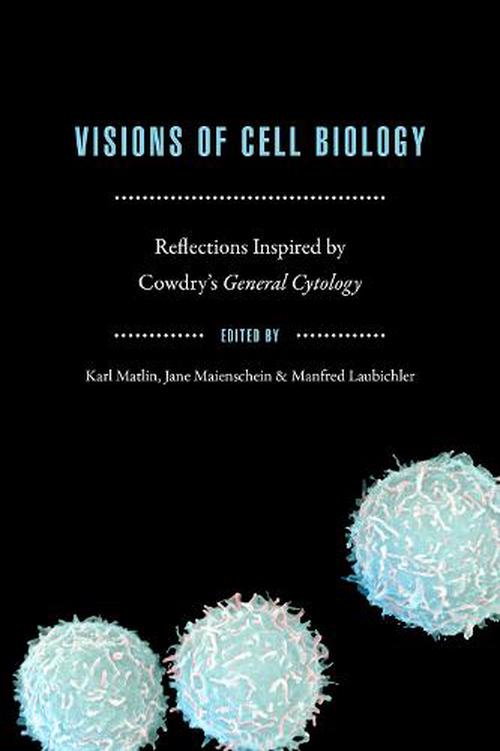
Paperback. Although modern cell biology is often considered to have arisen following World War II in tandem with certain technological and methodological advancesin particular, the electron microscope and cell fractionationits origins actually date to the 1830s and the development of cytology, the scientific study of cells. By 1924, with the publication of Edmund Vincent Cowdrys General Cytology, the discipline had stretched beyond the bounds of purely microscopic observation to include the chemical, physical, and genetic analysis of cells. Inspired by Cowdrys classic, watershed work, this book collects contributions from cell biologists, historians, and philosophers of science to explore the history and current status of cell biology. Despite extraordinary advances in describing both the structure and function of cells, cell biology tends to be overshadowed by molecular biology, a field that developed contemporaneously. This book remedies that unjust disparity through an investigation of cell biologys evolution and its role in pushing forward the boundaries of biological understanding. Contributors show that modern concepts of cell organization, mechanistic explanations, epigenetics, molecular thinking, and even computational approaches all can be placed on the continuum of cell studies from cytology to cell biology and beyond. The first book in the series Convening Science: Discovery at the Marine Biological Laboratory, Visions of Cell Biology sheds new light on a century of cellular discovery. Cell biology is generally considered to have arisen after World War II and has coevolved with particular technological developments, most prominently the electron microscope. Despite extraordinary success in describing both the structure and function of cells, modern cell biology tends to be overshadowed by molecular biology, which developed in the same period. The standard fable about the origins of molecular biology is that physicists became interested in biology, and they capitalized on genetics and X-ray crystallography to discover the structure of DNA and generated explanations of biological phenomena through the close study of biological molecules and their interactions. While the origins of cell biology actually date to the 1830s, the field cohered in significant ways in 1924, with publication of the first comprehensive cytology textbook, General Cytology . This book not only treated cytology comprehensively, but it included chapters that went beyond the usual morphological considerations to include the chemical and physical activities of cells, and new techniques such as cellular microsurgery and tissue culture. General Cytology represented a new era of multi-perspectival cell biology, and it now serves as the inspiration for this work, which narrates the evolution of cell biology and provides a multi-disciplinary exploration of the long trajectory of cell biology and its import in shaping biological understanding. Shipping may be from multiple locations in the US or from the UK, depending on stock availability.
Seller Inventory # 9780226520513
Contact seller
Report this item