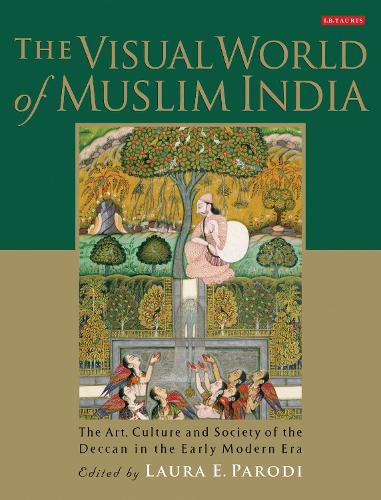
The Visual World of Muslim India
Laura E. Parodi
Sold by Rarewaves.com UK, London, United Kingdom
AbeBooks Seller since June 11, 2025
New - Hardcover
Condition: New
Ships from United Kingdom to U.S.A.
Quantity: Over 20 available
Add to basketSold by Rarewaves.com UK, London, United Kingdom
AbeBooks Seller since June 11, 2025
Condition: New
Quantity: Over 20 available
Add to basketBetween the fourteenth and eighteenth centuries, the Deccan stood at the crossroads of far-reaching commercial and diplomatic networks, which ranged from Arabia and Iran to East Asia. Incresingly, these networks served as a conduit for European colonial expansion, and in the process the Deccan fell into the orbit of European interests. Its position and links to a wide variety of ultural influences produced in the Deccan an immensely rich visual culture. This was shaped further by the dynamic encounters between the different versions of Islam patronised by the ruling dynasties of the period, as well as by diverse local linguistic, religious and artistic traditions in the region. The Visual World of Muslim India is a richly illustrated and comprehensive exploration of the art of the late medieval and early modern Deccan. It explores the ways in which court art, artefacts and built environments were created and experienced, the reasons behind their creation, and the other agencies involved besides and beyond the court.Beginning with the idea of large spaces experienced by a range of subjects on a daily basis, this book continues with examples of architecture and architectural decoration that affirmed peculiar identities or beliefs, and finally considers some artefacts that played a role in court diplomacy as well as everydy life.It therefore commences with an examination of the visual landscapes of the Deccan, including the magnificent Qutb Shahi capital of Golconda as well as smaller, less-known structures which constituted the 'city' in the early modern Deccan. There is also a focus on painting and painters, and their intersections with court policy and diplomacy, such as the earliest illustrated Dakani Urdu diwan- a collection of poems composed by a ruler of the Golconda kingsom. Muhammad- Quli Qutb Shah. The last section of the book leaves the boundaries of the courts and looks at the wider patterns of circulation of goods and ideas, highlighting the momentous social changes that followed the Mughal conquest of the Deccan (and their subsequent withdrawal from the region).This is an invaluable resource for all interested in the material and visual culture of South Asia and the wider Islamic world.
Seller Inventory # LU-9781848857469
Between the fourteenth and eighteenth centuries, the Deccan stood at the crossroads of far-reaching commercial and diplomatic networks, which ranged from Arabia and Iran to East Asia. Incresingly, these networks served as a conduit for European colonial expansion, and in the process the Deccan fell into the orbit of European interests. Its position and links to a wide variety of ultural influences produced in the Deccan an immensely rich visual culture. This was shaped further by the dynamic encounters between the different versions of Islam patronised by the ruling dynasties of the period, as well as by diverse local linguistic, religious and artistic traditions in the region. The Visual World of Muslim India is a richly illustrated and comprehensive exploration of the art of the late medieval and early modern Deccan. It explores the ways in which court art, artefacts and built environments were created and experienced, the reasons behind their creation, and the other agencies involved besides and beyond the court.Beginning with the idea of large spaces experienced by a range of subjects on a daily basis, this book continues with examples of architecture and architectural decoration that affirmed peculiar identities or beliefs, and finally considers some artefacts that played a role in court diplomacy as well as everydy life.
It therefore commences with an examination of the visual landscapes of the Deccan, including the magnificent Qutb Shahi capital of Golconda as well as smaller, less-known structures which constituted the 'city' in the early modern Deccan. There is also a focus on painting and painters, and their intersections with court policy and diplomacy, such as the earliest illustrated Dakani Urdu diwan- a collection of poems composed by a ruler of the Golconda kingsom. Muhammad- Quli Qutb Shah. The last section of the book leaves the boundaries of the courts and looks at the wider patterns of circulation of goods and ideas, highlighting the momentous social changes that followed the Mughal conquest of the Deccan (and their subsequent withdrawal from the region).This is an invaluable resource for all interested in the material and visual culture of South Asia and the wider Islamic world.
"About this title" may belong to another edition of this title.
Please note that we do not offer Priority shipping to any country.
We currently do not ship to the below countries:
Russia
Belarus
Ukraine
Israel
Please do not attempt to place orders with any of these countries as a ship to address - they will be cancelled.
| Order quantity | 60 to 60 business days | 60 to 60 business days |
|---|---|---|
| First item | US$ 85.80 | US$ 132.00 |
Delivery times are set by sellers and vary by carrier and location. Orders passing through Customs may face delays and buyers are responsible for any associated duties or fees. Sellers may contact you regarding additional charges to cover any increased costs to ship your items.