Synopsis
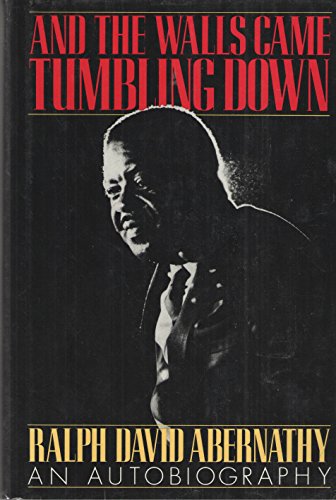
A leading figure in the Civil Rights movement and an intimate friend of Martin Luther King, Jr. describes his own life, the murder of King, and his continuing struggle for freedom, dignity, and human rights.
Reviews
Abernathy's autobiographical account of the birth and struggles of the civil rights movement is inspirational and deeply moving. With Martin Luther King Jr., his closest colleague, he helped organize the 1955 Montgomery bus boycott and the 1965 march in Selma, Ala.; he and King went north to Chicago in 1966, where they battled Mayor Richard Daley and found racism as endemic and deep-rooted as in the South. He cradled King in his arms when the latter was assassinated in Memphis. Son of a stern, righth- ous farmer father, Abernathy became a Baptist pastor after fighting in WW II with a segregated platoon. In a voice at once down-to-earth and eloquent, he recounts protests, jailings and bombings in Birmingham, St. Augustine, Washington, Charleston and elsewhere. He defends his support of Reagan's 1980 presidential bid, as well as his support, in the next two elections, for Jesse Jackson. Reading this engrossing, powerful memoir-as-history will force white Americans to confront the legacy of racism. Abernathy conveys a sense of how the civil rights movement discovered its tactics and direction in response to individual situations. Photos.
Copyright 1989 Reed Business Information, Inc.
One opens the autobiography of Martin Luther King's closest associate and friend with excitement. Unfortunately, Abernathy makes slight contribution to what we know already about Montgomery, Selma, and the several other great episodes of the civil rights era upon which he focuses, and he entirely omits others, such as the 1963 March on Washington. Nor does he attempt to lure readers with intimate disclosures. Regarding political rivalry and sexual pastimes among movement leaders he is, on the whole, reticent. He is more interesting in the account of his 1980 endorsement (now regretted) of Ronald Reagan. When King chose Abernathy as his successor, he lacked power to transfer the stature he had won in civil-rights leadership, and Abernathy has always suffered in comparison. This autobiography, awkwardly and incompletely told, will not adjust his historical standing. Necessary only for collections in civil rights.
- Robert F. Nardini, N. Chichester, N . H .
Copyright 1989 Reed Business Information, Inc.
"About this title" may belong to another edition of this title.