Synopsis
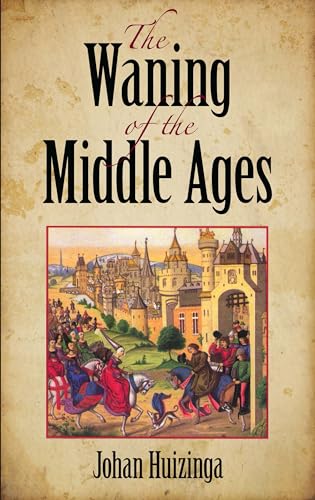
This classic study of art, life, and thought in France and the Netherlands during the fourteenth and fifteenth centuries ranks as one of the most perceptive analyses of the medieval period. A brilliantly creative work that established the reputation of Dutch historian John Huizinga (1872-1945), the book argues that the era of diminishing chivalry reflected the spirit of an age and that its figures and events were neither a prelude to the Renaissance nor harbingers of a coming culture, but a consummation of the old.
Among other topics, the author examines the violent tenor of medieval life, the idea of chivalry, the conventions of love, religious life, the vision of death, the symbolism that pervaded medieval life, and aesthetic sentiment. We view the late Middle Ages through the psychology and thought of artists, theologians, poets, court chroniclers, princes, and statesmen of the period, witnessing the splendor and simplicity of medieval life, its courtesy and cruelty, its idyllic vision of life, despair and mysticism, religious, artistic, and practical life, and much more.
Long regarded as a landmark of historical scholarship, The Waning of the Middle Ages is also a remarkable work of literature. Of its author, the New York Times said, "Professor Huizinga has dressed his imposing and variegated assemblage of facts in the colorful garments characteristic of novels, and he parades them from his first page to the last in a vivid style."
An international success following its original publication in 1919 and subsequently translated into several languages, The Waning of the Middle Ages will not only serve as an invaluable reference for students and scholars of medieval history but will also appeal to general readers and anyone fascinated by life during the Middle Ages.
Review
In 1919, Johan Huizinga revealed in the original version of this book that the ideals, aspirations, and behaviors of humanity in history were dramatically different from those in present day. In Herfsttjj der Middeleeuwen, he recalled the waning years of the Middle Ages--the low countries in northern Europe in the 14th and 15th centuries--and argued against those who claimed that human belief systems remain the same even if contexts change. His account rested not on historical fact, but on the emotions and ambitions of the people as expressed through the art and literature of their culture. Many people treated the book as groundbreaking work, and it was translated into English in 1924. This new translation is a complete, more direct version of the original and allows modern readers a full appreciation of life in an era rarely revisited.
"About this title" may belong to another edition of this title.