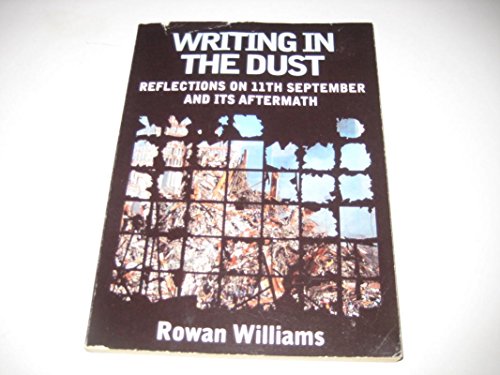
On the morning of September 11, 2001, Rowan Williams, distinguished theologian and Anglican Archbishop of Wales, was preparing to record a program on spirituality for Trinity Church, Wall Street — just two blocks from the World Trade Center. He was interrupted. As the terrible events of that morning unfolded, the people at Trinity Church found themselves trapped by the choking cloud of dust and debris. Amid the chaos and fear, including thoughts of his own death, Williams offered encouragement and prayer to those around him.
In this small, poignant volume, written in the weeks following September 11, Williams reflects on the meaning of that horrific day. This is not a book of academic theology or a program for action. Rather, as the author says, it is one person's heartfelt attempt to find words for the grief, shock, and loss following one of America's darkest days. It is also an effort — however tentative — to find wisdom for the days ahead. After the 11th, Williams asks, what are we prepared to learn? He believes we need time and opportunity to grieve — but also to ask whether anything can grow through this terrible moment. His insightful meditations touch on a range of subjects, from the proper use of religious language, the need to foster responsible emotions, and the opportunity for careful self-reflection to the nature of globalization, questions of "just war," and the dehumanizing use of symbols.
Speaking to the painful needs of the moment, "Writing in the Dust" offers spiritual direction to all who struggle to discern "how faith might begin to think and feel its way through the nightmare."
With strength and humility, Anglican theologian Rowan Williams raises terrifying religious questions that linger in the wake of New York's devastation on September 11, 2001. Writing in the Dust, a brief work of brave speculation, asks how Christians should respond to the terrorist attacks, and how we should live in the climate of fear and aggression that those attacks have created. What is the proper use of our anger? What constitutes a "just war"? What do the terrorists' actions say about the risks and rewards of globalized cultures and economies? Williams does not offer clear-cut answers to these questions, and he offers no program of Christian political action in the post-9/11 world. However, he does suggest, gently and repeatedly, that "trauma can offer a breathing space; and in that space there is the possibility of recognizing that we have had an experience that is not just a nightmarish insult to us but a door into the suffering of countless other innocents." --Michael Joseph Gross