Ona Russell
I am fascinated by the edges of history: the untold, underrepresented and concealed. The events and lives that conventional history overlooks (or intentionally ignores) are the ones that interest me the most. Historical fiction is the perfect vehicle to pull the edges to the center, to make them the subject of a story, because it allows for the filling in of gaps that necessarily come with narrating this kind of territory.
Why the 1920s? First, because I discovered my protagonist there, literally on the edges of a 1925 news clipping. Sarah Kaufman was a real woman, a historical figure lost to time who I adopted as my fictional sleuth. Secondly, because the 20s were both unique and strikingly similar to our own time. Yes, there were flappers and bootleggers. But there was also vicious anti-immigrant sentiment, high-profile Ponzi-type schemes and rampant government corruption. From the social and political, to the cultural and economic, to the scientific and religious, the 20s were complex, and thus, for a writer, a rich frontier to mine.
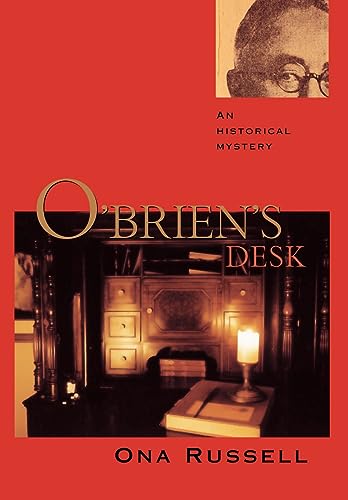
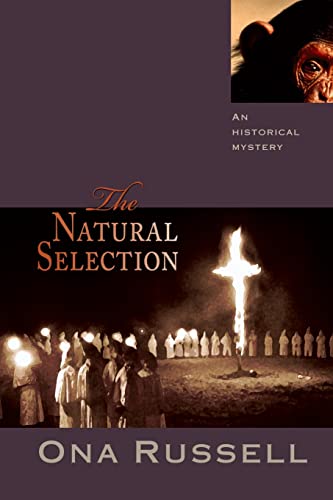
In addition to my three historical novels, I have been published in a wide variety of venues, including newspapers and literary and law journals. I earned an M.A. in American literature from Clark University and a Ph.D. in literature from the University of California, San Diego. I've taught numerous college courses, including "Literature and the Law," a topic on which I've written and spoken extensively. My second novel, THE NATURAL SELECTION, was a California and San Diego Book Award finalist.
Popular items by Ona Russell
View all offers-
-
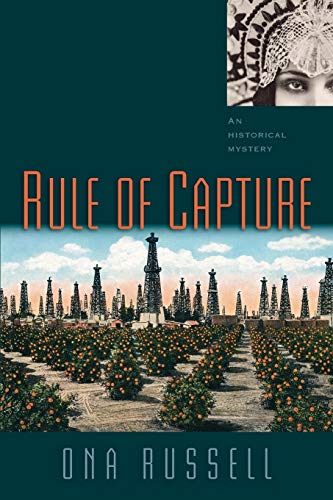
Rule of Capture, An Historical Mystery
Ona Russell
Item prices starting from
View 24 offersUS$ 7.83
-
-
Son of Nothingness: A Novel of Appearances
Russell, Ona
Item prices starting from
View 32 offersUS$ 13.74