Timothy J. Andersen
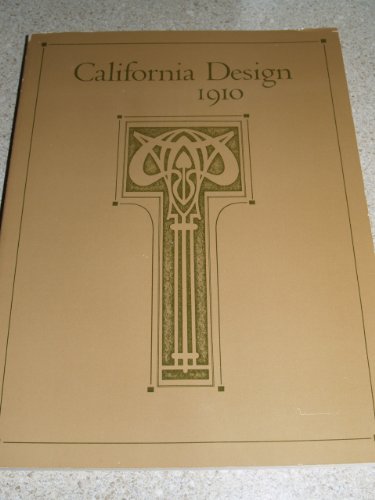
I was fortunate to grow up in Pasadena, California at a time when anything seemed possible. Released from the doldrums of South Pas High in 1966, I rented a shopfront on East Green Street near the Green Hotel and opened a design studio. Well, why not? I repainted the tall space and on the back wall stapled a billboard poster of a Boeing 707 taking off. Foster & Kleiser just gave it to me; apparently, no one had ever asked. I had no business plan, credentials or idea who my clients would be but was eager to get to work. Growing up in Pasadena’s amazing architectural heritage, it was not surprising I became fascinated with the Arts & Crafts Movement. Randy Makinson, Director of the Gamble House, introduced me to other enthusiasts and together we would geek-out for hours thumbing through volumes of Craftsman magazine discarded from libraries. In 1973, to support Ken Miedema’s new course at Pasadena City College on the Craftsman Movement I organized a small exhibition of "Prairie School Furnishings and Decorative Arts" to be held at the Pasadena Art Museum. It was at no cost to the Museum, so they said go ahead. Collector friends contributed some pieces to exhibit and David Gebhard in Santa Barbara allowed us to borrow his rare Purcell & Elmslie furniture for the show. My uncle loaned me his printing company van one weekend and I drove up to retrieve them. My friend Kathy and I painted the flats and cases. Janeen Marrin contributed the calligraphy gallery labels. We managed to pull it together just in time for the opening. PAM's Director of Design, Eudorah Moore, showed up to see our work. She knew me from contributing special casework designs for her “California Design 11” Triennale . That evening she proposed we co-direct an exhibition exploring the creative expressions of the Arts & Crafts Movement in California. The next day we arranged to meet Bob Winter to see if he was willing to participate. After six months of total emersion in the project "California Design 1910" opened in October 1974 accompanied by a 147 page catalog with essays and artist biographies. Only two years earlier Robert Judson Clark produced at Princeton University his seminal exhibition, "The Arts and Crafts Movement in America, 1876-1916." As we developed the exhibition we met academics and enthusiasts of the crafts all over the State. We began to notice curious parallels between these people and historic attitudes of the Arts & Crafts Movement. Most were only vaguely aware of the movement, but quite a few appeared to be living the Arts & Crafts ideal of well-integrated lives. The fundamental A&C values--meaningful work, simple living in harmony with natural world, integration of family, friends, and community--they had largely realized. We wanted to know more. The next year Eudorah and Olivia Emery sent a questionnaire to craftspeople who had participated in recent California Design exhibitions of contemporary crafts and design. It was open-ended, asking why they do what they do and what was important to them. The request was quirky and enticing enough to provoke a huge response. Many of their responses were fascinating and showed remarkable independence, insight and understanding. Eudorah and Olivia arranged to meet dozens of these craftspeople throughout the State. Olivia and I hit the road—she to record and write their stories, and me to photograph them at work and leisure in their homes and studios. Traveling the State was exhilarating because many of these people lived in the most remarkable and charming settings. Olivia and I did not know them or their milieu; we were blank slates at each new encounter. From this inquiry Eudorah and Olivia selected about seventy-five people to represent the diversity of creative expressions and regions. Olivia prepared the text allowing the artists to speak for themselves. Eudorah edited and selected from my photos the ones to include. Our 188 page book, "Craftsman Lifestyle: the Gentle Revolution," was published in 1977 by California Design. It documents a charmed episode in America's cultural history, now vanished.
Popular items by Timothy J. Andersen
View all offers-
California Design 1910
Andersen, Timothy J.; Moore, Eudorah M.; Winter, Robert W.
Item prices starting from
View 28 offersUS$ 3.44