

Malcolm Coxall
Malcolm Coxall is a management consultant, systems analyst, organic farmer, and author, with more than 30 years experience working for many of the world's largest corporate and institutional organisations, starting in the field of dispute arbitration for the ILO. These experiences have provided him a ringside view of the management methodologies used by medium and large businesses in areas as diverse as banking, oil, defence, telecoms, insurance, manufacturing, mining, food, agriculture, aerospace, textiles, and heavy engineering. In the last 25 years Malcolm has specialised as an Oracle IT consultant.
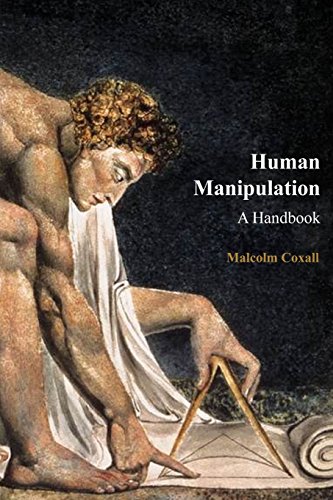
He has published articles on sustainable agriculture, organic food production, forest biodiversity, environmental protection and environmental economics. He is also author of the books "Traditional Recipes of the Axarquía", "Traditional Christmas Recipes of Spain", "Traditional Vegetarian Tapas Recipes of Spain", "Human Manipulation - A Handbook", "Machiavellian Management", "Ethical Eating - A Complete Guide to Sustainable Food", and a series of "Oracle Quick Guides".
Malcolm is active in the European food and environmental movement, and has taken several successful legal actions in defence of European environmental standards in the European Court of Justice.
Malcolm is passionate about food sovereignty and the maintenance of local food production. He believes that culinary diversity, agricultural sustainability and traditional gastronomy have much to teach a generation that has basically forgotten how food is grown and prepared: "Truly good food is local, ethical, diverse, organic and slow. How and what we eat defines who we are as a society. Societies that knowingly eat chemically adulterated junk foods, produced in heartless factory farms, reveal an intrinsic social, political and health malaise. They reveal their lack of sustainability, an inherent insecurity and a disconnection from their natural and social context. Contrast this care-less mentality with those societies which treasure their land, their natural environment, their people, their traditional cuisine and the quality and purity of their food. Then explain to me again why we need fast food and how "factory agriculture" fits in with human and environmental well-being and sustainability. To be sustainable, what we really need to do is to start to understand food again, beginning with the basics both on the farm and in the kitchen. We could do worse than to try to understand and (more importantly) enjoy our own local gastronomic heritage again. Not only is this worthwhile and important, but it is also great fun to discover how to make and enjoy real food again."
Malcolm now lives in Southern Spain from where he continues his IT and system consultancy work, writing and managing the family's organic olive farm. Malcolm also provides business, marketing and IT consultancy to other organic food producers in the region.
Popular items by Malcolm Coxall
View all offers-
Traditional Vegetarian Tapas Recipes of Spain (Traditional Recipes of Spain)
Coxall, Malcolm
Item prices starting from
View 19 offersUS$ 11.98
-
Oracle Quick Guides Part 1 - The Basics Database & Tools
Coxall, Malcolm
Item prices starting from
View 6 offersUS$ 9.50
-
Oracle Quick Guides Part 4 - Administration: Security and Privilege
Coxall, Malcolm; Caswell, Guy
Item prices starting from
View 6 offersUS$ 9.28
-
Oracle Quick Guides Part 3 - Coding in Oracle SQL and PL/SQL
Coxall, Malcolm; Caswell, Guy
Item prices starting from
View 5 offersUS$ 9.50
-
Oracle Quick Guides Part 2 - Oracle Database Design
Coxall, Malcolm
Item prices starting from
View 6 offersUS$ 9.28
-
Traditional Baking Recipes of Spain (Traditional Recipes of Spain)
Coxall, Malcolm
Item prices starting from
View 8 offersUS$ 20.53
-
Machiavellian Management: A Chief Executives Guide
Coxall, Mr Malcolm
Item prices starting from
View 5 offersUS$ 11.81
-


Showing 8 of 13 titles