Stephen Devlin
In “My Canadian Bank on Yourself Story,” the chapter Stephen Devlin wrote in “The Secret To Lifetime Security,” the British Columbia based financial advisor does more than simply tout Bank On Yourself, the revolutionary money management system developed by book co-author Pamela Yellen that has led thousands of people to safeguard their finances and build wealth.
Devlin, currently Canada’s leading expert in the concept and partner in the Vancouver based MacDev Financial Group Corp with his wife Michele and mortgage broker Patsy McDonald, tells a compelling story of how Bank on Yourself changed his life and that of many clients. He lays the foundation for the epiphany about BOY with a rollercoaster of financial highs and lows over the years that taught him the value of having financial stability; money he could “bank” on, increased cash flow and access to it – all hallmarks of the proven Bank on Yourself system.
It’s an innovative, non traditional approach to money management that, by creating financial security in uncertain times, has changed thousands of people’s lives, including Devlin’s. The story ends beautifully, with Devlin as a member of the Million Dollar Roundtable and winning the Top Life Sales 2012 award for the insurance carrier MacDev uses.
But it doesn’t start out that way. Boldly telling his personal history warts and all, Devlin starts with some anecdotes about his unique family life growing up the son of missionaries. Though he found the courage to become an independent thinker early on, he bought into the widely accepted traditions that our culture teaches about money—namely, that you put your money in bank products and it accrues interest.
For Devlin, meeting his second wife Michele (whom he married six months later) was a personal turning point. The two shared a passion for entrepreneurship, which led them over the years to various ventures, some very successful, some disastrous. Working in the dot com industry when he met her, he experienced all the trauma that came with the bursting bubble, made worse by an investment company’s poor advice on how to manage his large severance package.
Back on the upswing, the Devlins bought distribution rights to a web based neighbourhood realtor marketing program. They secured the rights to the system throughout Canada, and as Chief Administrator and Sales Manager, he traveled across the country successfully growing their business. Their net worth rose to $2 million – and they weren’t even working full time. They had their son CJ during this period and life was good – until the market became saturated, sales dwindled and they were left with the remnants of their fleeting success.
Devlin admits that he and Michele had wasted money and invested poorly – all while using the same old traditional method of financial management they had always known.
This would have been the perfect time for Bank On Yourself to show the Devlins the light, but they had another enterprise up their sleeve first: a children’s directory publishing business. Their flagship product was a high gloss book advertising everything from private schools to local gymnastics that went from 80,000-200,000 homes. In the chapter, Devlin—who was doing a lot of door to door work while suffering from a severed Achilles tendon at one point—says, “Despite our best efforts…there just wasn’t enough profit to be made.” In conversation, he’s more blunt: “We lost our shirt in that business.”
Being $500,000 in debt was compounded by the fact that their local bank, which they had pumped so much cash into during their boom days, turned their back on them. The Devlins were also going through personal difficulties as well – a miscarriage, debilitating injuries and illness, their parents’ passing away, and moving. Bankruptcy was in the offing when a close American friend named Jason, told them about the debt elimination that was possible via Bank On Yourself. Jason recommended Yellen’s Bank On Yourself book.
Devlin’s first breakthrough was a change in his perception about the realities of interest. He realized that money sitting in the bank is really bankruptcy on a payment plan, and that paying cash for everything was actually the worst way to deal with his family’s debt issue. Part of his exciting new learning curve involved a new understanding of “opportunity cost” and embracing the kinds of principles that wealthy people have long used and understood – including leverage, compounding, volume and velocity and tax favorableness.”
“The Bank On Yourself concept turned our traditional thinking on its head and opened our eyes to what financial freedom really looked like,” he says. “We immediately saw how it could positively impact our financial situation after so much personal and corporate debt. It was amazing for us to see a better opportunity based on permanent, dividend paying whole life insurance as opposed to term insurance. It sounded like something that was not only good for us, but for everyone we knew and we wanted to share it with others. Our first question was, would it work here in Canada? But after assessing a dozen U.S. life insurance companies compared with Canadian ones, I found the right fit. We became our own bankers and got our life insurance licenses so that we could offer Bank on Yourself structured plans for others.”
Stephen says that Michele came up with the perfect analogy most people could relate to: BOY was like building equity up in a purchased home and having a home equity line of credit, whereas taking out limited term insurance is like renting an apartment. Once they had started in on Bank on Yourself, they realized just how much they had learned from their financial disasters of the past. The biggest problem was, they were always poor investment returns in mutual funds.
BOY, by contrast, allowed them and their growing clientele to build cash capital that they could access on their own terms, using their own imaginations and without restrictions. “Our first thoughts once we were doing BOY was that we would be able to pay our debts off, finance our cars and pay for CJ’s education as he got older,” says Devlin. “There was no more trying to get money from conventional banks now that we were our own bank and in control of our money.”
In his chapter, Devlin muses about the incredible possibilities of what BOY could potentially mean for his son: “We bought a policy as an investment in his future. He understood from a young age the value of a dollar and the handling of money. CJ will not face the same challenges we endured through our years of money mismanagement and misunderstanding. We will watch him grow along with his guaranteed financial future. Just as my stepfather gave me security in the form of a family name, we are giving CJ security in the form of wealth and life insurance. He will have his own ups and downs, no doubt, but we feel we’ve done our part in protecting him from one of life’s most destructive stressors. His options will be limited only by his imagination.”
Burned out from too many years of cold calling in other sales capacities, Devlin approached his new career and mission as one of Canada’s few BOY based advisors as a professional coach/educator relying on 100 percent referrals. He practiced his pitch on family and friends (after buying them Yellen’s book, of course!) and began sharing the benefits of the system at networking events with people interested in real estate and investing. He enjoys coaching others and witnessing the results as businesses and families flourish under his guidance. Because of his own hard-earned wisdom gained through personal difficulties, and life experiences, it brings him great joy to share the security that financial stability brings.
As Canada’s leading expert in BOY, Devlin is regularly sought out by business professionals in the life insurance and financial fields to share his experience and approaches to creating financial security. “I’m the kind of guy who is always worried about money,” he says, “but I find that now, I am very much at peace with what we are doing for ourselves and for others. We have an opportunity to do what we weren’t able to despite all of our attempts – to build the kind of life we want for us and our son, who is nine. We also have the chance to give back to our families.”
The Devlins’ company, MacDev Financial Group, has its main office in Vancouver and has advisors in cities in British Columbia, Alberta, Manitoba and Ontario. Their mission is to empower their clients with long term financial health and well being by partnering and adjusting and educating them on safe, secure and proven mortgage, life insurance and financial strategies that serve them both today and tomorrow.
Stephen is the President and Michele is Chief Compliance and Operating Officer. They met their third principal, Patsy MacDonald, at a Chamber of Commerce meeting in their hometown a few months before they formed the company in 2010. At the time, MacDonald was in need of someone to help do life insurance for her mortgage clients and the Devlins thought it would be a good idea to offer mortgage services to their financial clients. MacDonald focuses solely on the mortgage side of the company. MacDev Financial Corp. currently has nine agents (some trained in Bank On Yourself) contracted with them throughout Canada.
“At the end of the day,” Devlin says, “we feel rewarded by the fact that we are helping people with the Bank on Yourself concept, and there is nothing more satisfying than people feeling good about their money, seeing the light at the end of the tunnel and accomplishing their financial goals. We see our clients as family, and try to reward them by giving them more value via books and further opportunities to learn. We started this in 2009 and have not yet reached all of our goals. We want to take BOY and make it big throughout Canada – and eventually want to ensure that 10 percent of the population is on this incredible plan. That may sound ambitious, but when you consider the opportunities BOY offers for people to not only secure a financial future for themselves in retirement but also leave a legacy for those they love, it’s bound to one day become the standard way everyone thinks about investing.”
Popular items by Stephen Devlin
View all offers-
The Secret to Lifetime Financial Security
Yellen, Pamela; Leading Financial Advisors, The Nation's
Item prices starting from
View 24 offersUS$ 4.42
-
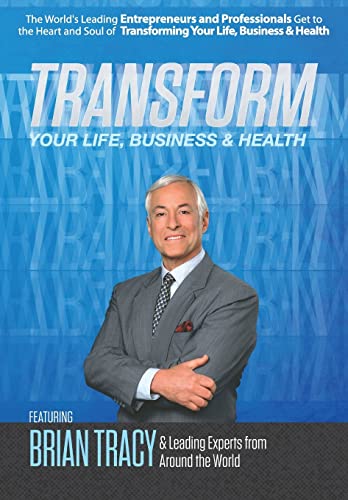
Transform
Nick Nanton; J. W. Dicks; Brian Tracy; Shane Willis; Elizabeth Weihmiller
Item prices starting from
View 13 offersUS$ 7.23