Peggy Ellis
From early childhood, Peggy dreamed of writing stories but fiction eluded her as years passed. In the meantime, her editing business kept her busy editing candidates’ advanced honors degrees, master’s theses, doctoral dissertations, and post-docs. She also edited faculty research in many disciplines. Apparently by osmosis, she learned to write fiction while she edited fiction for various authors. Once the words started, they never stopped.
Gardening and travel provided grist for the mill of Peggy’s creativity. Her earliest publications (and continuing) were essays in nationally distributed magazines and ezines on those subjects, among others. She received an honorable mention in a Writer’s Digest contest, placing at #68 of 1800 entries for creative nonfiction articles. Peggy’s cozy mysteries have been finalists in St, Martin’s Press Malice Domestic Contest on four occasions. Peggy produced two anthologies for her writers group: Lest the Colors Fade and A Beautiful Life and Other Stories.
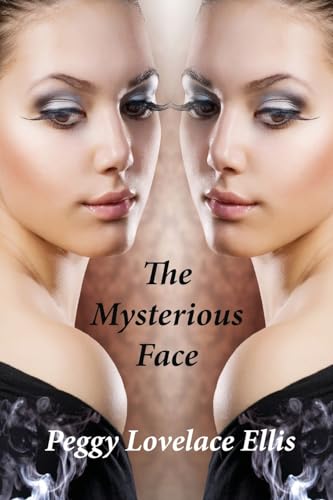
In March, 2024, Peggy published The Mysterious Face, a doppelganger cozy mystery. This novel grew out of her book of short stories, Silver Shadows, Stories of Life in a Small Town. You will find old friends--maybe your neighbors!--in The Mysterious Face.
Peggy dislikes waiting a year or more for a sequel when she reads a series. For that reason, over a span of years, she researched and wrote a three-volume Regency series, The Uncertain Heart, The Merry Heart, and The Uncertain Heart. She chose to publish the Heart series in February, June, and August 2023.
In 2021, Peggy published Silver Shadows, Stories of Life in a Small Town with the uniqueness of the town being the primary character. It introduces itself, gives its history, and introduces stories of some of its residents. These short stories lead into a romantic suspense Peggy expects to publish in early 2024.
In 2020, Peggy published Challenges on the Home Front, World War II, Second Edition, containing stories of women who lived in eight countries during the war years; men's non-battle memories, and research of the women's equality movement which led directly from the war years to the ERA movement of the 1970s.
Popular items by Peggy Ellis
View all offers-
Challenges on the Home Front: World War II
Ellis, Peggy Lovelace
Item prices starting from
View 5 offersUS$ 10.00
-
The Uncertain Heart: Heart Series, Book One
Ellis, Peggy Lovelace
Item prices starting from
View 12 offersUS$ 13.07
-
The Merry Heart: Heart Series, Book Two: Louise's Story
Ellis, Peggy Lovelace
Item prices starting from
View 10 offersUS$ 12.50
-
-
The Divided Heart: Heart Series, Book Three: Marie's Story
Ellis, Peggy Lovelace
Item prices starting from
View 10 offersUS$ 12.50
-
-
An Independent Woman
Ellis, Peggy Lovelace
Item prices starting from
View 9 offersUS$ 16.84
Also find
New -
Silver Shadows: Stories of Life in a Small Town
Ellis, Peggy Lovelace
Item prices starting from
View 11 offersUS$ 16.99