

Order Total (1 Item Items):
Shipping Destination:

Andrew Feldmar (31 results)
Skip to main search results
Search filters
Product Type
- All Product Types
- Books (31)
- Magazines & Periodicals (No further results match this refinement)
- Comics (No further results match this refinement)
- Sheet Music (No further results match this refinement)
- Art, Prints & Posters (No further results match this refinement)
- Photographs (No further results match this refinement)
- Maps (No further results match this refinement)
- Manuscripts & Paper Collectibles (No further results match this refinement)
Condition Learn more
- New (23)
- As New, Fine or Near Fine (5)
- Very Good or Good (3)
- Fair or Poor (No further results match this refinement)
- As Described (No further results match this refinement)
Binding
Collectible Attributes
- First Edition (3)
- Signed (No further results match this refinement)
- Dust Jacket (2)
- Seller-Supplied Images (14)
- Not Print on Demand (31)
Language (2)
Free Shipping
Seller Location
Seller Rating
-

Condition: New.
-

Radical Adventure
Seller: Rarewaves.com USA, London, LONDO, United Kingdom
Seller rating 5 out of 5 stars

Paperback. Condition: New. At age twenty-seven, Andrew Feldmár accepted a tentative offer from his supervisor, Zenon Pylyshyn, a participant in the first experiments with LSD-25, to experience an LSD trip. Following that initiation, he took various other substances, always returning to LSD. During his apprenticeship with R. D. Laing, he was trained in Laing's approach to LSD-therapy. A few years later, the use of these substances was prohibited. Now, after more than forty years, research has begun again into the healing possibilities of psychedelic psychotherapy. A movement has begun to have psychedelics, entheogens, and empathogens accepted worldwide as legal. However, training in how to use them varies.Feldmár details fascinating stories of patients whose recovery hinged upon their use of LSD. He talks of how a single session of MDMA assisted many to attain insights that enabled their psychotherapy to proceed faster and deeper than before. He wants his experiences to help the next generation of psychedelic psychotherapists. They demonstrate that the most important aspect of psychedelic psychotherapy is the human connection: being involved and engaged with the other. There cannot be a protocol to follow, programmed music played, orders given. The therapist needs to feel at home within the altered state of consciousness of the patient during the session. The only way to learn this is through apprenticeship and time is running out as the older generation who worked in this way is dying out. The gains are high with this type of therapy, but so are the dangers. Thus, the focus needs to be not on the drug, but on the relationship between the therapist and the patient. Psychedelic psychotherapy is not for everyone but done well with the right patient and therapist, it can be transformative.
-
Condition: As New. Unread book in perfect condition.
-
Radical Adventure
First Edition
paperback. Condition: New. 1st.
-

The Secret Life of Babies: How Our Prebirth and Birth Experiences Shape Our World
Language: English
Published by North Atlantic Books, 2014
ISBN 10: 1583948031 ISBN 13: 9781583948033
US$ 20.96
US$ 13.35 shipping
Ships from United Kingdom to U.S.A.Quantity: 2 available
Add to basketPaperback. Condition: Brand New. 192 pages. 9.00x6.00x0.75 inches. In Stock.
-

Condition: New.
-

Secret Life of Babies : How Our Prebirth and Birth Experiences Shape Our World
Language: English
Published by North Atlantic Books, 2014
ISBN 10: 1583948031 ISBN 13: 9781583948033
Seller: GreatBookPricesUK, Woodford Green, United Kingdom
Seller rating 5 out of 5 stars
US$ 20.18
US$ 20.02 shipping
Ships from United Kingdom to U.S.A.Quantity: 3 available
Add to basketCondition: New.
-
Condition: As New. Unread book in perfect condition.
-
Radical Adventure: An Inquiry into Psychedelic Psychotherapy
Language: English
Published by Phoenix Publishing House, 2025
ISBN 10: 1800133057 ISBN 13: 9781800133051
US$ 27.42
US$ 13.35 shipping
Ships from United Kingdom to U.S.A.Quantity: 2 available
Add to basketPaperback. Condition: Brand New. 100 pages. 9.02x5.94x9.02 inches. In Stock.
-

Secret Life of Babies : How Our Prebirth and Birth Experiences Shape Our World
Language: English
Published by North Atlantic Books, 2014
ISBN 10: 1583948031 ISBN 13: 9781583948033
Seller: GreatBookPricesUK, Woodford Green, United Kingdom
Seller rating 5 out of 5 stars
US$ 21.64
US$ 20.02 shipping
Ships from United Kingdom to U.S.A.Quantity: 3 available
Add to basketCondition: As New. Unread book in perfect condition.
-
The Secret Life of Babies: How Our Prebirth and Birth Experiences Shape Our World
Language: English
Published by North Atlantic Books, 2014
ISBN 10: 1583948031 ISBN 13: 9781583948033
US$ 28.58
US$ 13.35 shipping
Ships from United Kingdom to U.S.A.Quantity: 1 available
Add to basketPaperback. Condition: Brand New. 192 pages. 9.00x6.00x0.75 inches. In Stock.
-
Radical Adventure: An Inquiry Into Psychedelic Psychotherapy
Seller: Ria Christie Collections, Uxbridge, United Kingdom
Seller rating 5 out of 5 stars
US$ 26.22
US$ 15.99 shipping
Ships from United Kingdom to U.S.A.Quantity: 20 available
Add to basketCondition: New. In.
-
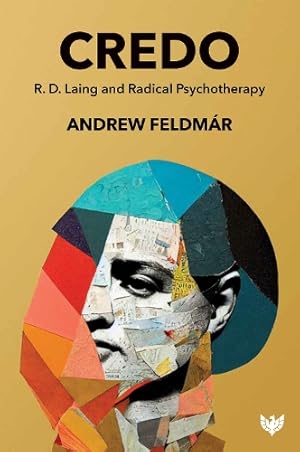
Paperback. Condition: New. Tamás Vekerdy, one of the most well-known Hungarian psychologists, called Credo an 'essential insight not just into Feldmár's life but into the world and the era that we currently live in.'Feldmár was three and a half years old when the Arrow Cross came and took his mother to Auschwitz, his father to labour service, and his grandmother to the ghetto. A young Catholic woman hid him for a year and a half - perhaps she inspired Feldmár to become the kind stranger in many other people's lives years later. Feldmár was sixteen in 1956 when the revolution was crushed, and he escaped from Hungary to Canada all by himself. He fled from bleak prospects and a controlling, critical mother into the unknown. He ended up in Toronto, Canada, and became an academic. In the early 1970s, he met the person who radically changed his thinking: R. D. Laing.The book's longest chapter, 'Journal Entries', comes from notes Feldmár took in 1974-1975 when he studied with Laing in London. He adds notes and remarks in the present to the past, increasing the tension in the already fascinating passages. Following this is the text of an important conversation with Laing, covering topics such as love, therapy, and change. Next is a paper by his lifelong friend Francis Huxley, 'Shamanism, Healing, and R. D. Laing'. The book concludes with perhaps its most influential chapter, 'Fantasy and Reality'. Here, Feldmár speculates on the fundamental elements of his approach to psychotherapy: the nature of responsibility and ethics, politics, freedom, individuality, community, solidarity, will, and relationships.The bond between Feldmár and Laing permeates every page of Credo. The reader can closely follow Feldmár's remarkable journey of how their relationship shaped his therapeutic approach and helped him develop into the radical and inspirational psychotherapist he is today. This book is essential reading for all psychotherapists, psychoanalysts, and fans of R. D. Laing.
-

Paperback. Condition: New. Tamás Vekerdy, one of the most well-known Hungarian psychologists, called Credo an 'essential insight not just into Feldmár's life but into the world and the era that we currently live in.'Feldmár was three and a half years old when the Arrow Cross came and took his mother to Auschwitz, his father to labour service, and his grandmother to the ghetto. A young Catholic woman hid him for a year and a half - perhaps she inspired Feldmár to become the kind stranger in many other people's lives years later. Feldmár was sixteen in 1956 when the revolution was crushed, and he escaped from Hungary to Canada all by himself. He fled from bleak prospects and a controlling, critical mother into the unknown. He ended up in Toronto, Canada, and became an academic. In the early 1970s, he met the person who radically changed his thinking: R. D. Laing.The book's longest chapter, 'Journal Entries', comes from notes Feldmár took in 1974-1975 when he studied with Laing in London. He adds notes and remarks in the present to the past, increasing the tension in the already fascinating passages. Following this is the text of an important conversation with Laing, covering topics such as love, therapy, and change. Next is a paper by his lifelong friend Francis Huxley, 'Shamanism, Healing, and R. D. Laing'. The book concludes with perhaps its most influential chapter, 'Fantasy and Reality'. Here, Feldmár speculates on the fundamental elements of his approach to psychotherapy: the nature of responsibility and ethics, politics, freedom, individuality, community, solidarity, will, and relationships.The bond between Feldmár and Laing permeates every page of Credo. The reader can closely follow Feldmár's remarkable journey of how their relationship shaped his therapeutic approach and helped him develop into the radical and inspirational psychotherapist he is today. This book is essential reading for all psychotherapists, psychoanalysts, and fans of R. D. Laing.
-

Radical Adventure : An Inquiry into Psychedelic Psychotherapy
Seller: GreatBookPricesUK, Woodford Green, United Kingdom
Seller rating 5 out of 5 stars
US$ 26.08
US$ 20.02 shipping
Ships from United Kingdom to U.S.A.Quantity: 10 available
Add to basketCondition: New.
-

Credo (Paperback)
Language: English
Published by Karnac Books, London, 2023
ISBN 10: 1800132441 ISBN 13: 9781800132443
Paperback. Condition: new. Paperback. Andrew Feldmar is one of the most popular and widely read psychotherapists in Hungary. Credo, widely regarded as his best work, is his English debut. A gripping philosophical and autobiographical memoir, Credo lays bare an inspirational life and offers a fascinating insight into the work of R. D. Laing and the birth of radical psychotherapy. Tamas Vekerdy, one of the most well-known Hungarian psychologists, called Credo an 'essential insight not just into Feldmar's life but into the world and the era that we currently live in.' Feldmar was three and a half years old when the Arrow Cross came and took his mother to Auschwitz, his father to labour service, and his grandmother to the ghetto. A young Catholic woman hid him for a year and a half perhaps she inspired Feldmar to become the kind stranger in many other people's lives years later. Feldmar was sixteen in 1956 when the revolution was crushed, and he escaped from Hungary to Canada all by himself. He fled from bleak prospects and a controlling, critical mother into the unknown. He ended up in Toronto, Canada, and became an academic. In the early 1970s, he met the person who radically changed his thinking: R. D. Laing. The book's longest chapter, 'Journal Entries', comes from notes Feldmar took in 19741975 when he studied with Laing in London. He adds notes and remarks in the present to the past, increasing the tension in the already fascinating passages. Following this is the text of an important conversation with Laing, covering topics such as love, therapy, and change. Next is a paper by his lifelong friend Francis Huxley, 'Shamanism, Healing, and R. D. Laing'. The book concludes with perhaps its most influential chapter, 'Fantasy and Reality'. Here, Feldmar speculates on the fundamental elements of his approach to psychotherapy: the nature of responsibility and ethics, politics, freedom, individuality, community, solidarity, will, and relationships. The bond between Feldmar and Laing permeates every page of Credo. The reader can closely follow Feldmar's remarkable journey of how their relationship shaped his therapeutic approach and helped him develop into the radical and inspirational psychotherapist he is today. This book is essential reading for all psychotherapists, psychoanalysts, and fans of R. D. Laing. AUTHOR: Andrew Feldmar is a Vancouver-based psychologist and psychotherapist. His approach to therapy seeks to reconnect patients to the joys of everyday life through relying on loving, living relationships, rather than the alienation of the classical doctorpatient relationship. He was born in Hungary during WWII (1940), and after the 1956 revolution was defeated, he immigrated to Canada on his own at the age of 16. He graduated with honors from the University of Toronto with a BA in mathematics, physics, and chemistry, as well as an MA in psychology from the University of Western Ontario. He has been a psychotherapist since 1969. Andrew Feldmar is one of the most popular and widely read psychotherapists in Hungary. Credo, widely regarded as his best work, is his English debut. A gripping philosophical and autobiographical memoir, Credo lays bare an inspirational life and offers a fascinating insight into the work of R. D. Laing and the birth of radical psychotherapy. Shipping may be from multiple locations in the US or from the UK, depending on stock availability.
-
Radical Adventure : An Inquiry into Psychedelic Psychotherapy
Seller: GreatBookPricesUK, Woodford Green, United Kingdom
Seller rating 5 out of 5 stars
US$ 30.01
US$ 20.02 shipping
Ships from United Kingdom to U.S.A.Quantity: 10 available
Add to basketCondition: As New. Unread book in perfect condition.
-
Credo: R. D. Laing and Radical Psychotherapy
Seller: Ria Christie Collections, Uxbridge, United Kingdom
Seller rating 5 out of 5 stars
US$ 38.51
US$ 15.99 shipping
Ships from United Kingdom to U.S.A.Quantity: 8 available
Add to basketCondition: New. In.
-
US$ 36.30
US$ 20.02 shipping
Ships from United Kingdom to U.S.A.Quantity: 3 available
Add to basketCondition: New.
-
Credo: R. D. Laing and Radical Psychotherapy
Language: English
Published by Phoenix Publishing House, 2023
ISBN 10: 1800132441 ISBN 13: 9781800132443
US$ 41.12
US$ 16.69 shipping
Ships from United Kingdom to U.S.A.Quantity: 2 available
Add to basketPaperback. Condition: Brand New. 360 pages. 8.27x5.71x0.91 inches. In Stock.
-
US$ 40.20
US$ 20.02 shipping
Ships from United Kingdom to U.S.A.Quantity: 3 available
Add to basketCondition: As New. Unread book in perfect condition.
-

Slave of the Huns;
Language: English
Published by The Bobbs-Merrill Company, Inc., 1969
ISBN 10: 0460056786 ISBN 13: 9780460056786
First Edition
Hardcover. Condition: Good. No Jacket. Dust jacket missing. First edition THUS. Shelf and handling wear to cover and binding, with general signs of previous use. Good clean unmarked copy. Boards worn and faded. Secure packaging for safe delivery.
-
Credo: R. D. Laing and Radical Psychotherapy
Language: English
Published by Phoenix Publishing House, 2023
ISBN 10: 1800132441 ISBN 13: 9781800132443
Condition: New. 2023. Paperback. . . . . . Books ship from the US and Ireland.
-
Radical Adventure: An Inquiry into Psychedelic Psychotherapy
Language: English
Published by Phoenix Publishing House, 2025
ISBN 10: 1800133057 ISBN 13: 9781800133051
Condition: New. 2025. paperback. . . . . . Books ship from the US and Ireland.
-

Slave Of The Huns
Published by Corvina Press, 1969
Seller: Crotchety Rancher's Books, Dalton Gardens, ID, U.S.A.
Seller rating 5 out of 5 stars
Hardcover. Condition: Good. Dust Jacket Condition: Fair. Orange Cloth Boards With Black Lettering. Binding Is Tight And Square. Light Surface Soiling To Board Edges And Outer Page Edges. Pages Are Clean Within. An Attached Silk Ribbon Page Marker. The Dust Jacket Rubbing, Chips And Repaired Tears Along The Edges. A Story Set In The Barbaric But Colorful Period Of The Great Migrations About The Adventures Of A Young Greek Slave Boy, Zeta, Who Was Given His Freedom By Priscus Rhetor. Translated From The Hungarian By Andrew Feldmar.
-

Slave of the Huns
Published by Corvina Press, Franklin Printing House, Budapest, Hungary, 1969
Seller: Resource Books, LLC, East Granby, CT, U.S.A.
Association Member: SNEAB
Seller rating 5 out of 5 stars
First Edition
Hardcover. Condition: Very Good. Dust Jacket Condition: Very Good. First US Edition. Budapest, Hungary: Corvina Press, Franklin Printing House, 1969. First American edition, 1969. Historical fiction illustrated with full page line drawings. Bright orange cloth, 358 pages, attached ribbon bookmark, illustrated dustjacket. The book is in very good condition with good hinges, firm text block, clean pages, no names or other markings. The mylar protected dustjacket is also very good with a slightly faded but legible spine, modest edgewear, no chips. First US Edition. Hard Cover. Very Good/Very Good. 8vo - over 7¾" - 9¾" tall.
-

Paperback. Condition: New. Tamás Vekerdy, one of the most well-known Hungarian psychologists, called Credo an 'essential insight not just into Feldmár's life but into the world and the era that we currently live in.'Feldmár was three and a half years old when the Arrow Cross came and took his mother to Auschwitz, his father to labour service, and his grandmother to the ghetto. A young Catholic woman hid him for a year and a half - perhaps she inspired Feldmár to become the kind stranger in many other people's lives years later. Feldmár was sixteen in 1956 when the revolution was crushed, and he escaped from Hungary to Canada all by himself. He fled from bleak prospects and a controlling, critical mother into the unknown. He ended up in Toronto, Canada, and became an academic. In the early 1970s, he met the person who radically changed his thinking: R. D. Laing.The book's longest chapter, 'Journal Entries', comes from notes Feldmár took in 1974-1975 when he studied with Laing in London. He adds notes and remarks in the present to the past, increasing the tension in the already fascinating passages. Following this is the text of an important conversation with Laing, covering topics such as love, therapy, and change. Next is a paper by his lifelong friend Francis Huxley, 'Shamanism, Healing, and R. D. Laing'. The book concludes with perhaps its most influential chapter, 'Fantasy and Reality'. Here, Feldmár speculates on the fundamental elements of his approach to psychotherapy: the nature of responsibility and ethics, politics, freedom, individuality, community, solidarity, will, and relationships.The bond between Feldmár and Laing permeates every page of Credo. The reader can closely follow Feldmár's remarkable journey of how their relationship shaped his therapeutic approach and helped him develop into the radical and inspirational psychotherapist he is today. This book is essential reading for all psychotherapists, psychoanalysts, and fans of R. D. Laing.
-

Credo (Paperback)
Language: English
Published by Karnac Books, London, 2023
ISBN 10: 1800132441 ISBN 13: 9781800132443
Paperback. Condition: new. Paperback. Andrew Feldmar is one of the most popular and widely read psychotherapists in Hungary. Credo, widely regarded as his best work, is his English debut. A gripping philosophical and autobiographical memoir, Credo lays bare an inspirational life and offers a fascinating insight into the work of R. D. Laing and the birth of radical psychotherapy. Tamas Vekerdy, one of the most well-known Hungarian psychologists, called Credo an 'essential insight not just into Feldmar's life but into the world and the era that we currently live in.' Feldmar was three and a half years old when the Arrow Cross came and took his mother to Auschwitz, his father to labour service, and his grandmother to the ghetto. A young Catholic woman hid him for a year and a half perhaps she inspired Feldmar to become the kind stranger in many other people's lives years later. Feldmar was sixteen in 1956 when the revolution was crushed, and he escaped from Hungary to Canada all by himself. He fled from bleak prospects and a controlling, critical mother into the unknown. He ended up in Toronto, Canada, and became an academic. In the early 1970s, he met the person who radically changed his thinking: R. D. Laing. The book's longest chapter, 'Journal Entries', comes from notes Feldmar took in 19741975 when he studied with Laing in London. He adds notes and remarks in the present to the past, increasing the tension in the already fascinating passages. Following this is the text of an important conversation with Laing, covering topics such as love, therapy, and change. Next is a paper by his lifelong friend Francis Huxley, 'Shamanism, Healing, and R. D. Laing'. The book concludes with perhaps its most influential chapter, 'Fantasy and Reality'. Here, Feldmar speculates on the fundamental elements of his approach to psychotherapy: the nature of responsibility and ethics, politics, freedom, individuality, community, solidarity, will, and relationships. The bond between Feldmar and Laing permeates every page of Credo. The reader can closely follow Feldmar's remarkable journey of how their relationship shaped his therapeutic approach and helped him develop into the radical and inspirational psychotherapist he is today. This book is essential reading for all psychotherapists, psychoanalysts, and fans of R. D. Laing. AUTHOR: Andrew Feldmar is a Vancouver-based psychologist and psychotherapist. His approach to therapy seeks to reconnect patients to the joys of everyday life through relying on loving, living relationships, rather than the alienation of the classical doctorpatient relationship. He was born in Hungary during WWII (1940), and after the 1956 revolution was defeated, he immigrated to Canada on his own at the age of 16. He graduated with honors from the University of Toronto with a BA in mathematics, physics, and chemistry, as well as an MA in psychology from the University of Western Ontario. He has been a psychotherapist since 1969. Andrew Feldmar is one of the most popular and widely read psychotherapists in Hungary. Credo, widely regarded as his best work, is his English debut. A gripping philosophical and autobiographical memoir, Credo lays bare an inspirational life and offers a fascinating insight into the work of R. D. Laing and the birth of radical psychotherapy. Shipping may be from our Sydney, NSW warehouse or from our UK or US warehouse, depending on stock availability.
-
US$ 26.10
US$ 86.77 shipping
Ships from United Kingdom to U.S.A.Quantity: 5 available
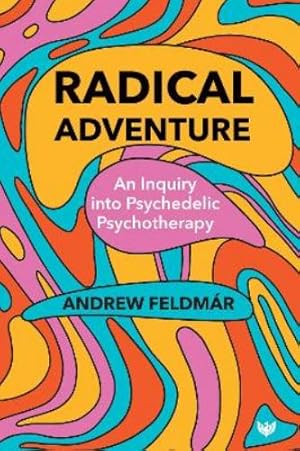
Add to basketPaperback. Condition: New. At age twenty-seven, Andrew Feldmár accepted a tentative offer from his supervisor, Zenon Pylyshyn, a participant in the first experiments with LSD-25, to experience an LSD trip. Following that initiation, he took various other substances, always returning to LSD. During his apprenticeship with R. D. Laing, he was trained in Laing's approach to LSD-therapy. A few years later, the use of these substances was prohibited. Now, after more than forty years, research has begun again into the healing possibilities of psychedelic psychotherapy. A movement has begun to have psychedelics, entheogens, and empathogens accepted worldwide as legal. However, training in how to use them varies.Feldmár details fascinating stories of patients whose recovery hinged upon their use of LSD. He talks of how a single session of MDMA assisted many to attain insights that enabled their psychotherapy to proceed faster and deeper than before. He wants his experiences to help the next generation of psychedelic psychotherapists. They demonstrate that the most important aspect of psychedelic psychotherapy is the human connection: being involved and engaged with the other. There cannot be a protocol to follow, programmed music played, orders given. The therapist needs to feel at home within the altered state of consciousness of the patient during the session. The only way to learn this is through apprenticeship and time is running out as the older generation who worked in this way is dying out. The gains are high with this type of therapy, but so are the dangers. Thus, the focus needs to be not on the drug, but on the relationship between the therapist and the patient. Psychedelic psychotherapy is not for everyone but done well with the right patient and therapist, it can be transformative.
-

Credo : R. D. Laing and Radical Psychotherapy
Language: English
Published by Karnac Books Jun 2023, 2023
ISBN 10: 1800132441 ISBN 13: 9781800132443
Taschenbuch. Condition: Neu. Neuware - Tamas Vekerdy, one of the most well-known Hungarian psychologists, called Credo an 'essential insight not just into Feldmar's life but into the world and the era that we currently live in.' Feldmar was three and a half years old when the Arrow Cross came and took his mother to Auschwitz, his father to labour service, and his grandmother to the ghetto. A young Catholic woman hid him for a year and a half - perhaps she inspired Feldmar to become the kind stranger in many other people's lives years later. Feldmar was sixteen in 1956 when the revolution was crushed, and he escaped from Hungary to Canada all by himself. He fled from bleak prospects and a controlling, critical mother into the unknown. He ended up in Toronto, Canada, and became an academic. In the early 1970s, he met the person who radically changed his thinking: R. D. Laing. The book's longest chapter, 'Journal Entries', comes from notes Feldmar took in 1974-1975 when he studied with Laing in London. He adds notes and remarks in the present to the past, increasing the tension in the already fascinating passages. Following this is the text of an important conversation with Laing, covering topics such as love, therapy, and change. Next is a paper by his lifelong friend Francis Huxley, 'Shamanism, Healing, and R. D. Laing'. The book concludes with perhaps its most influential chapter, 'Fantasy and Reality'. Here, Feldmar speculates on the fundamental elements of his approach to psychotherapy: the nature of responsibility and ethics, politics, freedom, individuality, community, solidarity, will, and relationships. The bond between Feldmar and Laing permeates every page of Credo. The reader can closely follow Feldmar's remarkable journey of how their relationship shaped his therapeutic approach and helped him develop into the radical and inspirational psychotherapist he is today. This book is essential reading for all psychotherapists, psychoanalysts, and fans of R. D. Laing.

