

Order Total (1 Item Items):
Shipping Destination:

Chase Zac (22 results)
Author:
chase zac
Refine with Advanced Search
Skip to main search results
Search filters
Product Type
- All Product Types
- Books (22)
- Magazines & Periodicals (No further results match this refinement)
- Comics (No further results match this refinement)
- Sheet Music (No further results match this refinement)
- Art, Prints & Posters (No further results match this refinement)
- Photographs (No further results match this refinement)
- Maps (No further results match this refinement)
- Manuscripts & Paper Collectibles (No further results match this refinement)
Condition Learn more
- New (11)
- As New, Fine or Near Fine (2)
- Very Good or Good (9)
- Fair or Poor (No further results match this refinement)
- As Described (No further results match this refinement)
Binding
- All Bindings
- Hardcover (22)
- Softcover (No further results match this refinement)
Collectible Attributes
- First Edition (1)
- Signed (No further results match this refinement)
- Dust Jacket (1)
- Seller-Supplied Images (9)
- Not Print on Demand (22)
Language (1)
Free Shipping
Seller Location
Seller Rating
-

Condition: good. The item shows wear from consistent use, but it remains in good condition and works perfectly. All pages and cover are intact including the dust cover, if applicable . Spine may show signs of wear. Pages may include limited notes and highlighting. May NOT include discs, access code or other supplemental materials.
-
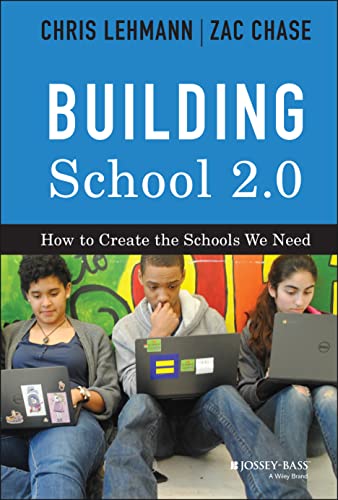
Building School 2. 0 : How to Create the Schools We Need
Language: English
Published by Wiley & Sons, Incorporated, John, 2015
ISBN 10: 1118076826 ISBN 13: 9781118076828
Condition: Very Good. Former library copy. Pages intact with possible writing/highlighting. Binding strong with minor wear. Dust jackets/supplements may not be included. Includes library markings. Stock photo provided. Product includes identifying sticker. Better World Books: Buy Books. Do Good.
-
Building School 2. 0 : How to Create the Schools We Need
Language: English
Published by Wiley & Sons, Incorporated, John, 2015
ISBN 10: 1118076826 ISBN 13: 9781118076828
Condition: Good. Former library copy. Pages intact with minimal writing/highlighting. The binding may be loose and creased. Dust jackets/supplements are not included. Includes library markings. Stock photo provided. Product includes identifying sticker. Better World Books: Buy Books. Do Good.
-
Building School 2. 0 : How to Create the Schools We Need
Language: English
Published by Wiley & Sons, Incorporated, John, 2015
ISBN 10: 1118076826 ISBN 13: 9781118076828
Condition: Very Good. Pages intact with possible writing/highlighting. Binding strong with minor wear. Dust jackets/supplements may not be included. Stock photo provided. Product includes identifying sticker. Better World Books: Buy Books. Do Good.
-
Hardcover. Condition: Very Good. No Jacket. Former library book; May have limited writing in cover pages. Pages are unmarked. ~ ThriftBooks: Read More, Spend Less.
-
Hardcover. Condition: Very Good. No Jacket. May have limited writing in cover pages. Pages are unmarked. ~ ThriftBooks: Read More, Spend Less.
-
Hardcover. Condition: Very Good. No Jacket. May have limited writing in cover pages. Pages are unmarked. ~ ThriftBooks: Read More, Spend Less.
-
Building School 2.0: How to Create the Schools We Need
First Edition
hardcover. Condition: Very Good. 1st Edition. Used - Very Good.
-
Hardcover. Condition: Good. Connecting readers with great books since 1972! Used textbooks may not include companion materials such as access codes, etc. May have some wear or writing/highlighting. We ship orders daily and Customer Service is our top priority!
-

Condition: As New. Unread book in perfect condition.
-

Condition: New.
-
-

Building School 2.0
Language: English
Published by John Wiley and Sons Inc, US, 2015
ISBN 10: 1118076826 ISBN 13: 9781118076828
Hardback. Condition: New. Ninety-five propositions for creating more relevant, more caring schools There is a growing desire to reexamine education and learning. Educators use the phrase "school 2.0" to think about what schools will look like in the future. Moving beyond a basic examination of using technology for classroom instruction, Building School 2.0: How to Create the Schools We Need is a larger discussion of how education, learning, and our physical school spaces can-and should-change because of the changing nature of our lives brought on by these technologies. Well known for their work in creating Science Leadership Academy (SLA), a technology-rich, collaborative, learner-centric school in Philadelphia, founding principal Chris Lehmann and former SLA teacher Zac Chase are uniquely qualified to write about changing how we educate. The best strategies, they contend, enable networked learning that allows research, creativity, communication, and collaboration to help prepare students to be functional citizens within a modern society. Their model includes discussions of the following key concepts: Technology must be ubiquitous, necessary, and invisibleClassrooms must be learner-centric and use backwards design principlesGood technology can be better than new technologyTeachers must serve as mentors and bring real-world experiences to students Each section of Building School 2.0 presents a thesis designed to help educators and administrators to examine specific practices in their schools, and to then take their conclusions from theory to practice. Collectively, the theses represent a new vision of school, built off of the best of what has come before us, but with an eye toward a future we cannot fully imagine.
-

Building School 2.0
Language: English
Published by John Wiley and Sons Inc, US, 2015
ISBN 10: 1118076826 ISBN 13: 9781118076828
Seller: Rarewaves.com USA, London, LONDO, United Kingdom
Seller rating 5 out of 5 stars

Hardback. Condition: New. Ninety-five propositions for creating more relevant, more caring schools There is a growing desire to reexamine education and learning. Educators use the phrase "school 2.0" to think about what schools will look like in the future. Moving beyond a basic examination of using technology for classroom instruction, Building School 2.0: How to Create the Schools We Need is a larger discussion of how education, learning, and our physical school spaces can-and should-change because of the changing nature of our lives brought on by these technologies. Well known for their work in creating Science Leadership Academy (SLA), a technology-rich, collaborative, learner-centric school in Philadelphia, founding principal Chris Lehmann and former SLA teacher Zac Chase are uniquely qualified to write about changing how we educate. The best strategies, they contend, enable networked learning that allows research, creativity, communication, and collaboration to help prepare students to be functional citizens within a modern society. Their model includes discussions of the following key concepts: Technology must be ubiquitous, necessary, and invisibleClassrooms must be learner-centric and use backwards design principlesGood technology can be better than new technologyTeachers must serve as mentors and bring real-world experiences to students Each section of Building School 2.0 presents a thesis designed to help educators and administrators to examine specific practices in their schools, and to then take their conclusions from theory to practice. Collectively, the theses represent a new vision of school, built off of the best of what has come before us, but with an eye toward a future we cannot fully imagine.
-

Building School 2.0 : How to Create the Schools We Need
Seller: GreatBookPricesUK, Woodford Green, United Kingdom
Seller rating 5 out of 5 stars
US$ 25.01
US$ 20.03 shipping
Ships from United Kingdom to U.S.A.Quantity: Over 20 available
Add to basketCondition: As New. Unread book in perfect condition.
-
US$ 28.59
US$ 16.69 shipping
Ships from United Kingdom to U.S.A.Quantity: 2 available
Add to basketHardcover. Condition: Brand New. 1st edition. 304 pages. 9.25x6.50x1.25 inches. In Stock.
-
Building School 2.0: How to Create the Schools We Need
Language: English
Published by Jossey Bass 2015-10-16, 2015
ISBN 10: 1118076826 ISBN 13: 9781118076828
US$ 24.50
US$ 20.68 shipping
Ships from United Kingdom to U.S.A.Quantity: Over 20 available
Add to basketHardcover. Condition: New.
-

Building School 2.0 : How to Create the Schools We Need
Seller: GreatBookPricesUK, Woodford Green, United Kingdom
Seller rating 5 out of 5 stars
US$ 27.20
US$ 20.03 shipping
Ships from United Kingdom to U.S.A.Quantity: Over 20 available
Add to basketCondition: New.
-
Condition: New. pp. 250.
-
Condition: New. Brand new! Please provide a physical shipping address.
-

Building School 2.0
Language: English
Published by John Wiley and Sons Inc, US, 2015
ISBN 10: 1118076826 ISBN 13: 9781118076828
Hardback. Condition: New. Ninety-five propositions for creating more relevant, more caring schools There is a growing desire to reexamine education and learning. Educators use the phrase "school 2.0" to think about what schools will look like in the future. Moving beyond a basic examination of using technology for classroom instruction, Building School 2.0: How to Create the Schools We Need is a larger discussion of how education, learning, and our physical school spaces can-and should-change because of the changing nature of our lives brought on by these technologies. Well known for their work in creating Science Leadership Academy (SLA), a technology-rich, collaborative, learner-centric school in Philadelphia, founding principal Chris Lehmann and former SLA teacher Zac Chase are uniquely qualified to write about changing how we educate. The best strategies, they contend, enable networked learning that allows research, creativity, communication, and collaboration to help prepare students to be functional citizens within a modern society. Their model includes discussions of the following key concepts: Technology must be ubiquitous, necessary, and invisibleClassrooms must be learner-centric and use backwards design principlesGood technology can be better than new technologyTeachers must serve as mentors and bring real-world experiences to students Each section of Building School 2.0 presents a thesis designed to help educators and administrators to examine specific practices in their schools, and to then take their conclusions from theory to practice. Collectively, the theses represent a new vision of school, built off of the best of what has come before us, but with an eye toward a future we cannot fully imagine.
-

Building School 2.0
Language: English
Published by John Wiley and Sons Inc, US, 2015
ISBN 10: 1118076826 ISBN 13: 9781118076828
US$ 27.19
US$ 86.79 shipping
Ships from United Kingdom to U.S.A.Quantity: 14 available
Add to basketHardback. Condition: New. Ninety-five propositions for creating more relevant, more caring schools There is a growing desire to reexamine education and learning. Educators use the phrase "school 2.0" to think about what schools will look like in the future. Moving beyond a basic examination of using technology for classroom instruction, Building School 2.0: How to Create the Schools We Need is a larger discussion of how education, learning, and our physical school spaces can-and should-change because of the changing nature of our lives brought on by these technologies. Well known for their work in creating Science Leadership Academy (SLA), a technology-rich, collaborative, learner-centric school in Philadelphia, founding principal Chris Lehmann and former SLA teacher Zac Chase are uniquely qualified to write about changing how we educate. The best strategies, they contend, enable networked learning that allows research, creativity, communication, and collaboration to help prepare students to be functional citizens within a modern society. Their model includes discussions of the following key concepts: Technology must be ubiquitous, necessary, and invisibleClassrooms must be learner-centric and use backwards design principlesGood technology can be better than new technologyTeachers must serve as mentors and bring real-world experiences to students Each section of Building School 2.0 presents a thesis designed to help educators and administrators to examine specific practices in their schools, and to then take their conclusions from theory to practice. Collectively, the theses represent a new vision of school, built off of the best of what has come before us, but with an eye toward a future we cannot fully imagine.

