
Hardwick Frederick (1 results)
 More images
Published by S. D. Humphrey, New York 1855
- Hardcover
- First Edition
Seller: Bookworks [MWABA, IOBA], Beloit, WI, U.S.A.Bookworks [MWABA, IOBA]
Contact seller5-star sellerCondition: Used - Fair
US$ 265.00
Free ShippingShips within U.S.A.Quantity: 1 available
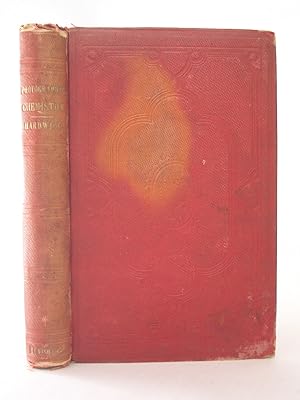
Hard Cover. Condition: Fair. No Jacket. First American Edition. First American edition of this important early manual of photography, with sections on preparing & using salts of silver, development of the image by use of reducing agents, fixing the image, nature & properties of light, chemistry & photographic properties of the c…ollodio-iodide of silver, positive & negative collodion photographs, theory of positive printing, proposed substitution of bromine for iodine, chemistry of the Daguerreotype process, practical details of the collodion process, outline of general chemistry. The American edition misspells London chemistry professor Hardwich's name. Small hardcover, as pictured. General wear, corners frayed, stain & some damage to front cover, minor waterstains; bookplate of New York engineer D. Judson Jenne (his son (?) of the same name owned a creamery in Wisconsin around 1900); ink name of University of Wisconsin chemistry professor Aaron Ihde, small ink number of title page, minor tanning & a few smudges to pages. Text clean; xii, 284 pages; vocabulary of photographic chemicals, appendix, index, two-page ad for Humphrey's Journal of the Daguerreotype and Photographic Arts, a few figures. Size: Small Octavo.
