
Peter Palangyo (3 results)

- Softcover
Seller: Fables Books, Goshen, IN, U.S.A.Fables Books
Contact seller5-star sellerCondition: Used - Fair
US$ 72.00
US$ 3.00 shippingShips within U.S.A.Quantity: 1 available
Condition: acceptable. Significant shelf, storage or usage wear present that does not affect the readability of the book. Some sun-fading on the cover. A former library book with all the expected stamps, stickers and markings. The pages appear unmarked. Staining on the rear cover. Hinges are intact. The binding is intact and all… pages are present. Pictures available upon request. Thanks for supporting an independent bookseller.
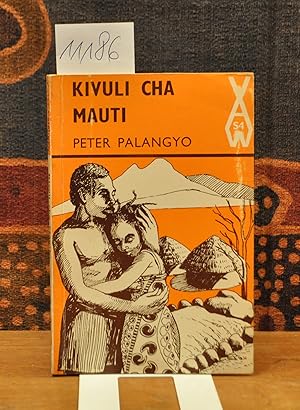
Published by Nairboi, Heinemann Educational Books, 1972. 1972
- Softcover
Seller: Antiquariat Welwitschia Dr. Andreas Eckl, Bochum, NRW, GermanyAntiquariat Welwitschia Dr. Andreas Eckl
Contact seller5-star sellerCondition: Used
US$ 95.36
US$ 45.14 shippingShips from Germany to U.S.A.Quantity: 1 available
Waandishi wa Kiafrika, S4. Farbig illustrierter Original-Kartoneinband, 8°, Taschenbuch, 132 Seiten. Einband leicht berieben (s. Bild), handschr. Name auf Titel, sonst gutes, sauberes Exemplar. Ungelesen. Swahili. Buch.
 More images
Published by Heinemann. 1968 1968
- Hardcover
- First Edition
Seller: Jarndyce, The 19th Century Booksellers, London, , United KingdomJarndyce, The 19th Century Booksellers
Contact seller4-star sellerCondition: Used
US$ 1,898.72
US$ 46.92 shippingShips from United Kingdom to U.S.A.Quantity: 1 available
FIRST EDITION. Half title. Orig. brown cloth; upper corner sl. bumped. Orange pictorial d.w., clipped; spine a little sunned, v. minor dusting in places, but a lovely crisp copy. Zell, Bundy, & Coulon, p.196. Copac lists only the African Writers series edition of the following year, but a copy of this 1968 edition is held at the… BL. Printed in Malta. The first Tanzanian novel to appear in English is a dreamy, subtle, and introspective study of a man's love-hate relationship with his dying (and widely despised) father. Though initially very bleak and occasionally a little overwritten, it sets themes of love, modernity, and generational conflict against the Tanzanian landscape with considerable psychological insight. An unusual and important work, its relationship with modernism is contested, with Simon Gikandi considering it a key work of African modernism, and Bassey Ufot praising its 'visionary mind style in the novel is an African solution to modernist cynicism and nihilism'. Patricia Howard called it 'the most profound description I have yet read of an African man's journey into the world of hallucinations and mental torture'.


